Paris-based Harmattan AI's $200M Series B round led by aerospace giant Dassault signals growing investment in autonomous drones, coinciding with Walmart's major expansion of Alphabet's Wing delivery service, though regulatory and technical hurdles persist.
The autonomous drone sector is experiencing a significant acceleration, marked by two major developments this week. Paris-based Harmattan AI secured a $200 million Series B investment led by Dassault Aviation—the French aerospace manufacturer behind the Rafale fighter jet—valuing the company at $1.4 billion. Simultaneously, Walmart announced plans to expand Alphabet's Wing drone delivery service to over 150 additional stores, bringing total coverage to approximately 10% of the U.S. population. These moves highlight how drone technology is transitioning from experimental projects to scaled commercial deployment, though persistent challenges around regulation and technical reliability temper the optimism.
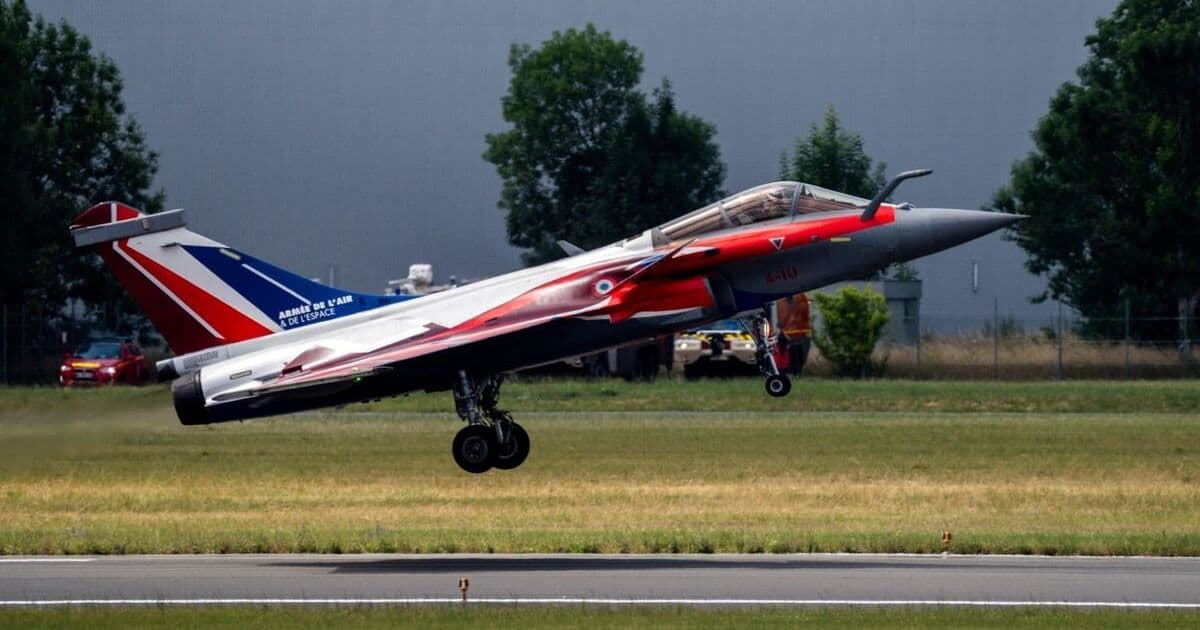
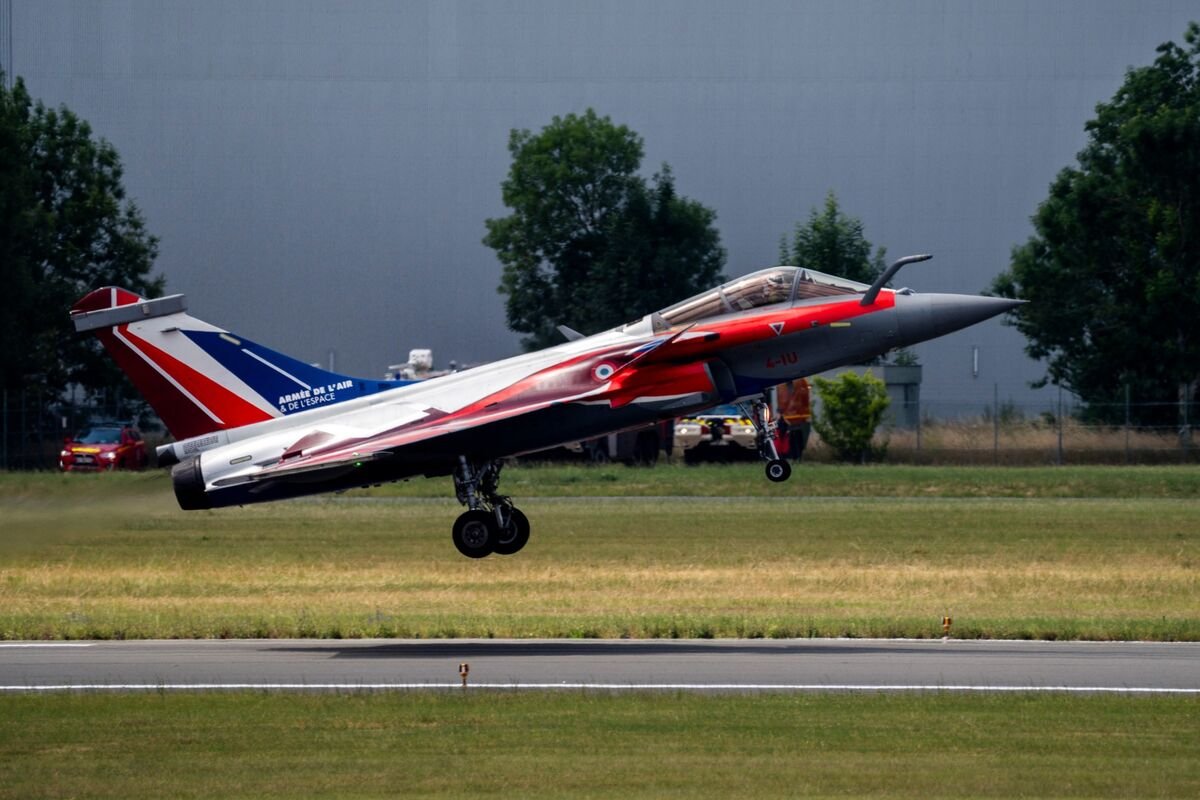
Harmattan AI, previously operating in relative obscurity, now aims to produce 10,000 drones monthly by 2026. Dassault's involvement is particularly noteworthy, suggesting military-grade aerospace expertise could transfer to civilian applications like logistics and surveillance. The company’s Rafale jets are renowned for advanced avionics and durability, qualities that could enhance Harmattan’s autonomous systems for tasks such as package delivery, agricultural monitoring, or emergency response. This partnership underscores a broader trend: traditional defense contractors are increasingly funding startups to capitalize on the drone market, projected to reach $100 billion globally by 2030.
Parallel to Harmattan’s funding, Walmart’s expansion of Wing—Alphabet’s on-demand drone service—demonstrates growing retailer confidence in autonomous delivery. The scaling follows successful trials in Texas and Arizona, where drones reduced delivery times for small parcels to under 30 minutes. Walmart’s commitment signals a strategic shift: rather than developing proprietary systems, major retailers are partnering with specialized providers to overcome last-mile logistics bottlenecks. Wing’s technology, which uses AI for route optimization and collision avoidance, has completed over 100,000 deliveries since 2022.
Despite these advances, skepticism remains about near-term viability. Regulatory frameworks are fragmented, with countries like Australia implementing strict rules including under-16 social media bans linked to drone operations. Safety concerns also persist; a recent CES 2026 report noted that AI-powered robotics products are “still finding their way,” with many prototypes struggling in real-world conditions. Technical hurdles include battery limitations for long-range flights and AI’s ability to handle unpredictable environments—a challenge highlighted when Instagram’s systems recently malfunctioned, sending erroneous password resets to 17.5 million users.
Globally, the race faces geopolitical constraints. While Harmattan’s funding suggests European momentum, Chinese firms like CXMT pursue a $4.2 billion IPO amid U.S. chip export restrictions. Chinese AI executives openly admit these curbs stifle innovation, conceding that surpassing U.S. capabilities is unlikely soon. Meanwhile, Google’s newly unveiled Universal Commerce Protocol aims to standardize AI-driven shopping across platforms, indirectly supporting drone delivery ecosystems by streamlining inventory and payment processes.
In summary, Harmattan’s funding and Walmart’s scaling of Wing reflect genuine progress in autonomous drones. However, the industry’s trajectory depends on navigating regulatory landscapes, improving AI reliability, and overcoming supply-chain barriers. As defense giants and retailers place billion-dollar bets, the next two years will determine whether these systems evolve from niche experiments to mainstream infrastructure.
Comments
Please log in or register to join the discussion