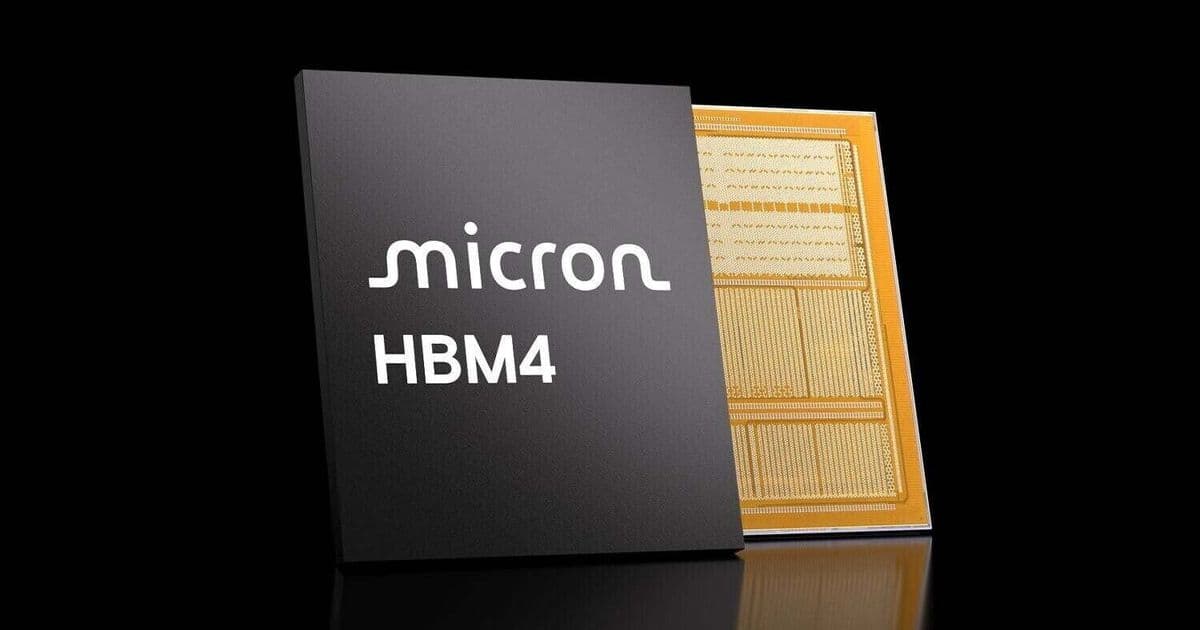
Micron Technology reports record revenue but warns that DRAM shortages will persist beyond 2026 due to insatiable demand for high-bandwidth memory in AI and data centers. The imbalance is forcing major customers into multi-year supply agreements, diverting resources from consumer markets and driving up prices across the board.
Semiconductor manufacturer Micron Technology delivered a stark warning during its recent earnings call: Despite posting a record $13.64 billion in revenue for Q1 FY2026, structural DRAM shortages will extend beyond calendar 2026. This prolonged constraint stems from explosive demand for high-bandwidth memory (HBM) used in artificial intelligence systems, combined with industry-wide supply limitations.
The HBM Squeeze
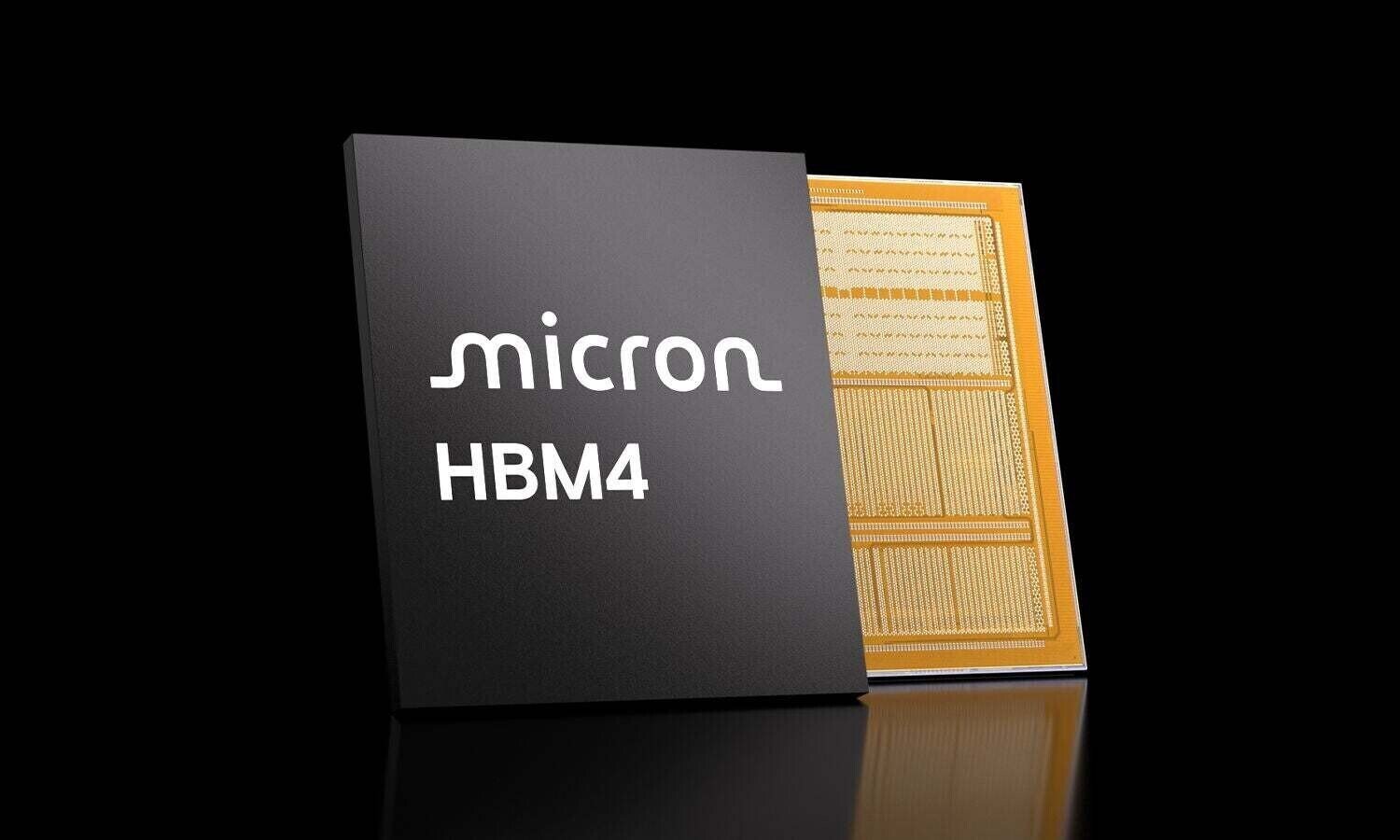
A critical driver of the shortage is the voracious appetite for HBM—a specialized memory technology stacking up to 12 DRAM dies vertically. Unlike standard DDR5 modules, HBM consumes significantly more silicon wafer area per gigabyte produced. Micron confirmed it has "completed agreements on price and volume for our entire calendar 2026 HBM supply," signaling that hyperscalers and AI developers are locking down capacity years in advance. This massive resource shift prioritizes data center workloads at the direct expense of consumer PC and mainstream server memory availability.
Market Implications
The imbalance creates a two-tiered market: Large cloud operators secure supply through binding, multi-year contracts, while smaller system builders and consumers face escalating prices and dwindling allocations. Micron explicitly stated both DRAM and NAND markets remain "supply constrained," cautioning that "aggregate industry supply will remain substantially short of demand for the foreseeable future." Even with ongoing investments in new fabrication facilities, meaningful volume increases remain years away due to the complex nature of semiconductor manufacturing ramp-ups.
The Road Ahead
This forecast aligns with warnings from other memory giants like SK Hynix, which foresees tight supplies through 2028. The ripple effects are already visible—Nintendo reportedly faces a 41% DRAM cost increase for its upcoming Switch 2, while GPU manufacturers like NVIDIA and AMD weigh price hikes or altered packaging strategies. As AI continues its relentless expansion, foundational hardware components like memory are becoming strategic battlegrounds, reshaping procurement strategies and challenging the entire tech ecosystem's scalability.
Source: Micron Q1 FY2026 Earnings Call Transcript, December 18, 2025
Comments
Please log in or register to join the discussion