
Microsoft releases its Education Solutions Guide, providing IT admins and schools with a structured framework to optimize Microsoft 365 tenant configurations, security, and license utilization through phased deployment methodologies.
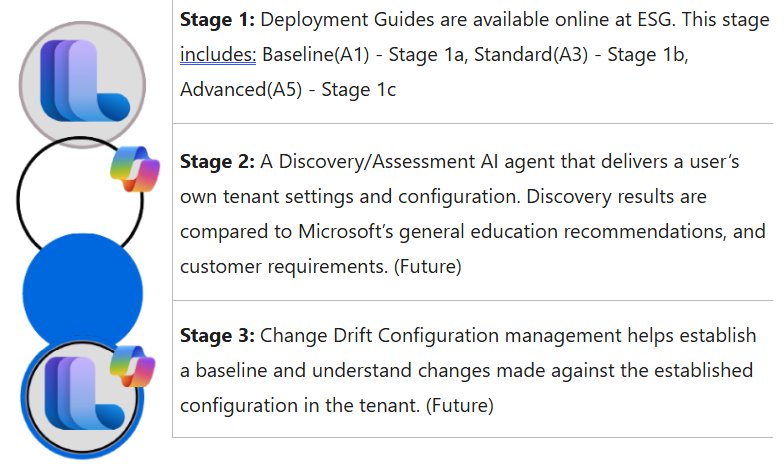
Microsoft has launched its Education Solutions Guide (ESG), a comprehensive framework designed to help educational institutions maximize their Microsoft 365 investments. Unlike generic cloud management approaches, this education-specific toolkit provides structured pathways for configuring tenant environments aligned with academic requirements.
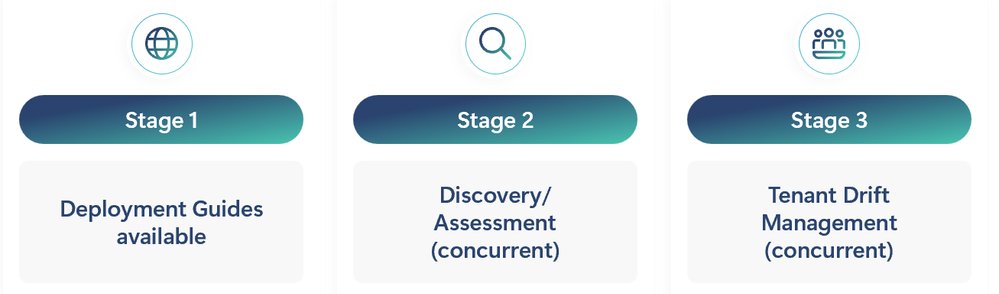
The ESG introduces a three-phase deployment methodology mapped to common education licenses:
- Baseline Phase (A1 License): Core identity management and security foundations
- Standard Phase (A3 License): Enhanced application configuration and compliance controls
- Advanced Phase (A5 License): Comprehensive security and AI-powered analytics
Comparative Advantage in Multi-Cloud Environments
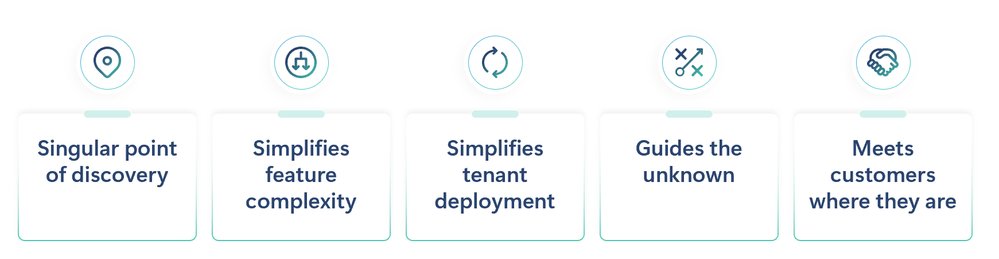
While multi-cloud strategies add flexibility, they often create configuration complexity. The ESG simplifies Microsoft environment management through:
- Education-Specific Prescriptives: Purple-boxed guidance for academic scenarios like student data privacy
- License Optimization: Clear pathways from A1→A3→A5 with unused feature identification
- Integrated Security: Cross-phase security controls covering devices, identity, and compliance
This contrasts with managing AWS or Google Cloud education environments, where institutions typically assemble disparate documentation without license-tiered roadmaps.
Business Impact Analysis
Cost Control The guide identifies underutilized features and provides license upgrade paths, potentially reducing redundant third-party tool spending. For example, institutions can systematically evaluate whether A5 security features eliminate standalone security tool costs.
Security Standardization ESG's phased approach builds security progressively:
- Baseline: Microsoft Entra ID setup and basic threat protection
- Advanced: Conditional access policies and automated compliance workflows This prevents critical gaps common in ad-hoc cloud configurations.
Operational Efficiency The framework reduces deployment ambiguity through:
- Role-specific pathways for IT admins, security, and compliance teams
- Centralized reference architecture for education-specific applications like Learning Accelerators
- AI-assisted configuration analysis against Microsoft best practices
Implementation Strategy
Educational institutions should:
- Conduct baseline assessment using ESG's discovery tools
- Prioritize phases based on license levels and security requirements
- Leverage partner integration points for gap remediation
The ESG portal provides direct access to deployment playbooks. Upcoming AI agents will automate tenant configuration analysis via Graph API, enabling continuous compliance monitoring.
This structured approach demonstrates Microsoft's commitment to reducing cloud complexity in education while providing measurable pathways for security hardening and cost optimization—critical advantages in resource-constrained academic environments.
Comments
Please log in or register to join the discussion