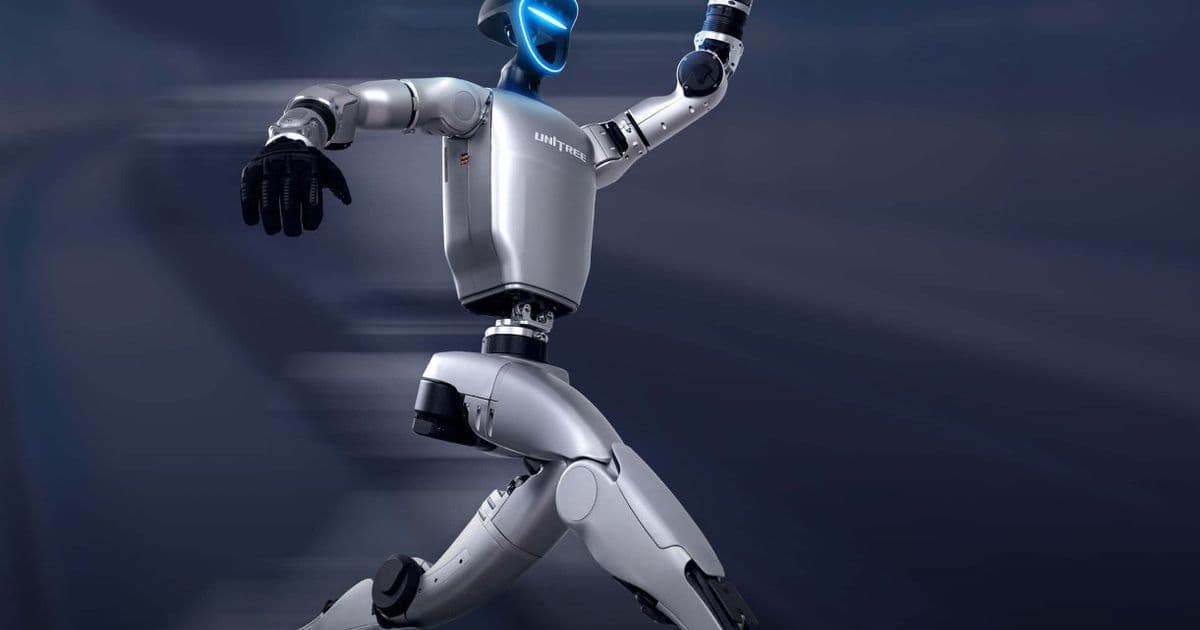
China has unveiled its first national standard framework for humanoid robots and embodied AI, covering the full industrial chain from core technologies to safety and ethics.
China has taken a significant step toward standardizing its rapidly growing humanoid robotics industry by releasing the first national-level framework for humanoid robots and embodied artificial intelligence. The framework, officially titled the Humanoid Robot and Embodied Intelligence Standard System (2026 edition), was unveiled at an industry standardization meeting in Beijing and reported by state broadcaster CCTV.
The comprehensive document covers the entire industrial chain and lifecycle of humanoid robots, establishing standards across multiple critical domains. These include core technologies that form the foundation of humanoid robotics, complete system architectures, practical applications, and crucial safety and ethical considerations. This multi-faceted approach reflects China's ambition to create a cohesive ecosystem for embodied AI development rather than allowing fragmented, competing standards to emerge.
By addressing the full spectrum from technical specifications to ethical guidelines, the framework aims to provide clear direction for manufacturers, researchers, and developers working in this space. The inclusion of safety standards is particularly noteworthy given the potential risks associated with humanoid robots operating in human environments, while the ethical guidelines acknowledge the broader societal implications of increasingly sophisticated AI systems.
Industry authorities indicated that the standardization meeting also saw the announcement of additional standardization projects and industry initiatives, suggesting this framework represents just one component of a broader strategy to establish China as a leader in humanoid robotics. The timing aligns with global trends toward greater standardization in emerging technologies, as nations and industries seek to create common ground for development and interoperability.
The release of this framework comes as humanoid robotics companies worldwide race to bring their products to market, with applications ranging from manufacturing and logistics to healthcare and personal assistance. By establishing national standards early in the technology's development cycle, China appears positioned to influence how these systems are designed, tested, and deployed both domestically and potentially internationally.
This standardization effort represents a strategic move to support the growth of China's embodied AI industry while ensuring that development proceeds along defined technical and ethical parameters. As humanoid robots become increasingly capable and prevalent, such frameworks will likely play a crucial role in shaping the technology's evolution and integration into society.
Comments
Please log in or register to join the discussion