A San Francisco startup faces legal action after allegedly using multiple Airbnb properties for robot testing without disclosure, causing significant property damage. The incident raises ethical questions about how tech companies conduct research and their impact on the sharing economy.
What began as a routine Airbnb booking for eight colleagues in San Francisco has turned into a lawsuit that highlights the growing tension between technological innovation and personal property rights. Sean Donovan, a San Francisco resident, discovered that his short-term rental had been used as a clandestine laboratory for robot testing, resulting in thousands of dollars in damages and a troubling pattern of deception that extends beyond his property.
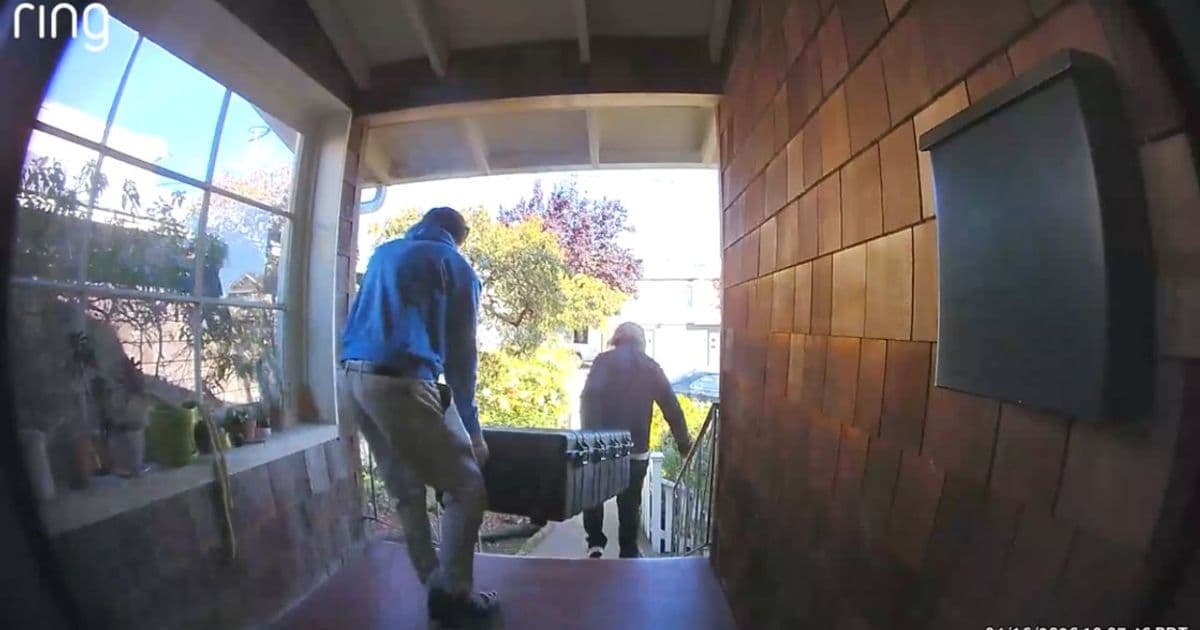
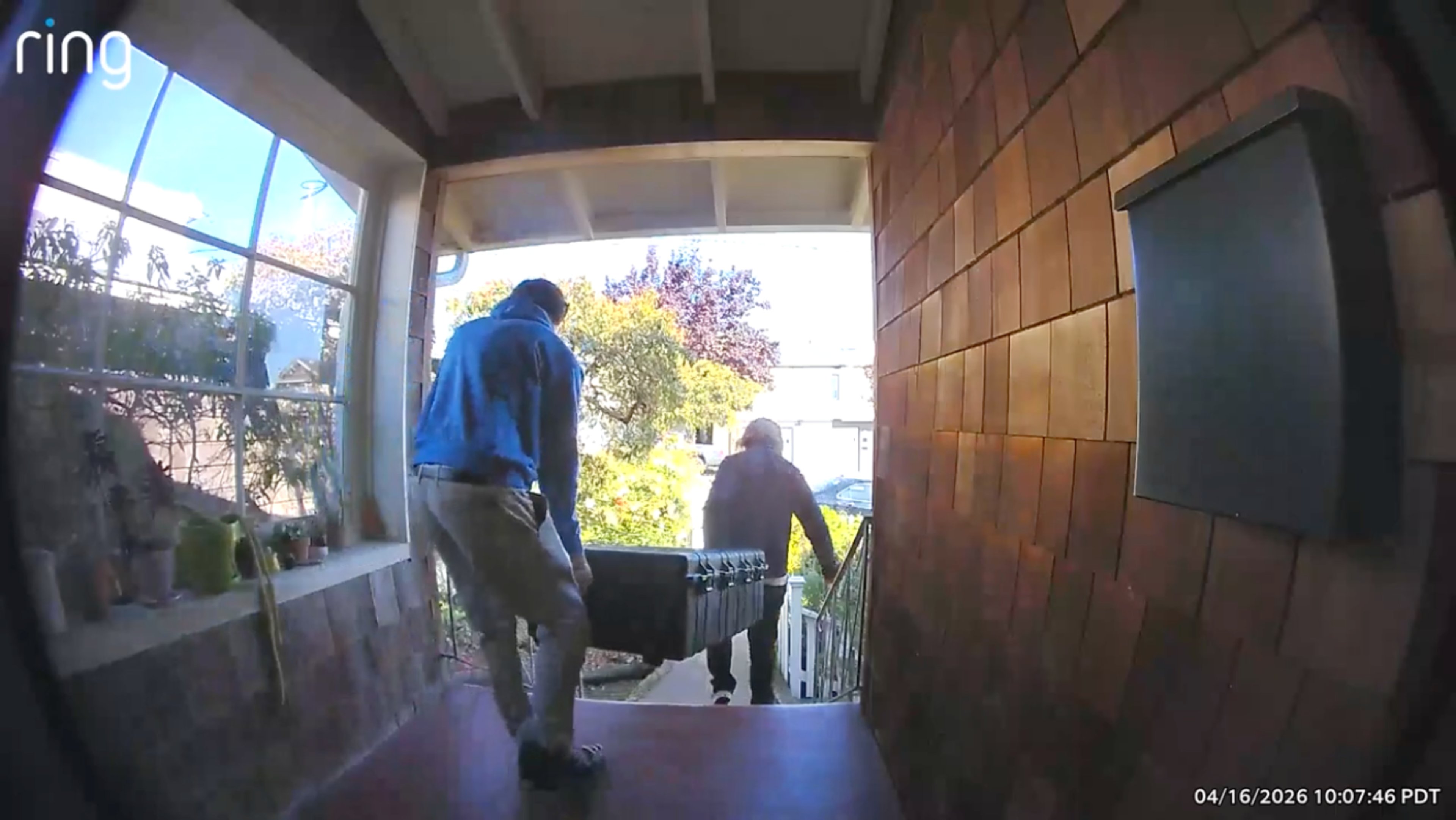
The incident came to light when Donovan noticed unusual activity at his home in April 2026. Ring camera footage showed people moving large black cases into the property, followed by the security system being mysteriously disabled. Upon inspection, Donovan found black cables taped to walls and what appeared to be a robot being operated by a man on a laptop. When the guests checked out 11 days later, the damage was extensive: scratched appliances, bent dishwasher racks, chipped bathroom tiles, and missing personal items including shoes from a locked closet.
"What the hell is going on here?" Donovan recalled thinking, before discovering what he believes was the true purpose of the stay through online research. In a lawsuit filed in San Francisco Superior Court, Donovan alleges that employees of the Bot Company rented his home "under false pretenses" to conduct prototype testing on robots designed for household chores. He's seeking $12,383.50 in damages for property destruction and lost income.
The Bot Company, founded by alumni from Tesla and autonomous vehicle company Cruise, has raised hundreds of millions in venture capital and is valued at $2 billion according to tech research platform Sacra. The company describes itself as "building a helpful robot for every home" that can handle "all the little things that eat away at our time." Its product, according to Sacra, resembles "a low coffee table on wheels" with "an articulated arm and dual grippers" capable of "picking up and organizing household items autonomously."
The company's website markets its robot to families as well as "short-term rental operators, elder care providers, and small office facility teams"—a particularly ironic detail given the alleged damage to multiple Airbnb properties.
"This company is trying to build robots to make Airbnb turnovers more easy," Donovan noted. "In the meantime, they are damaging Airbnb hosts' houses."
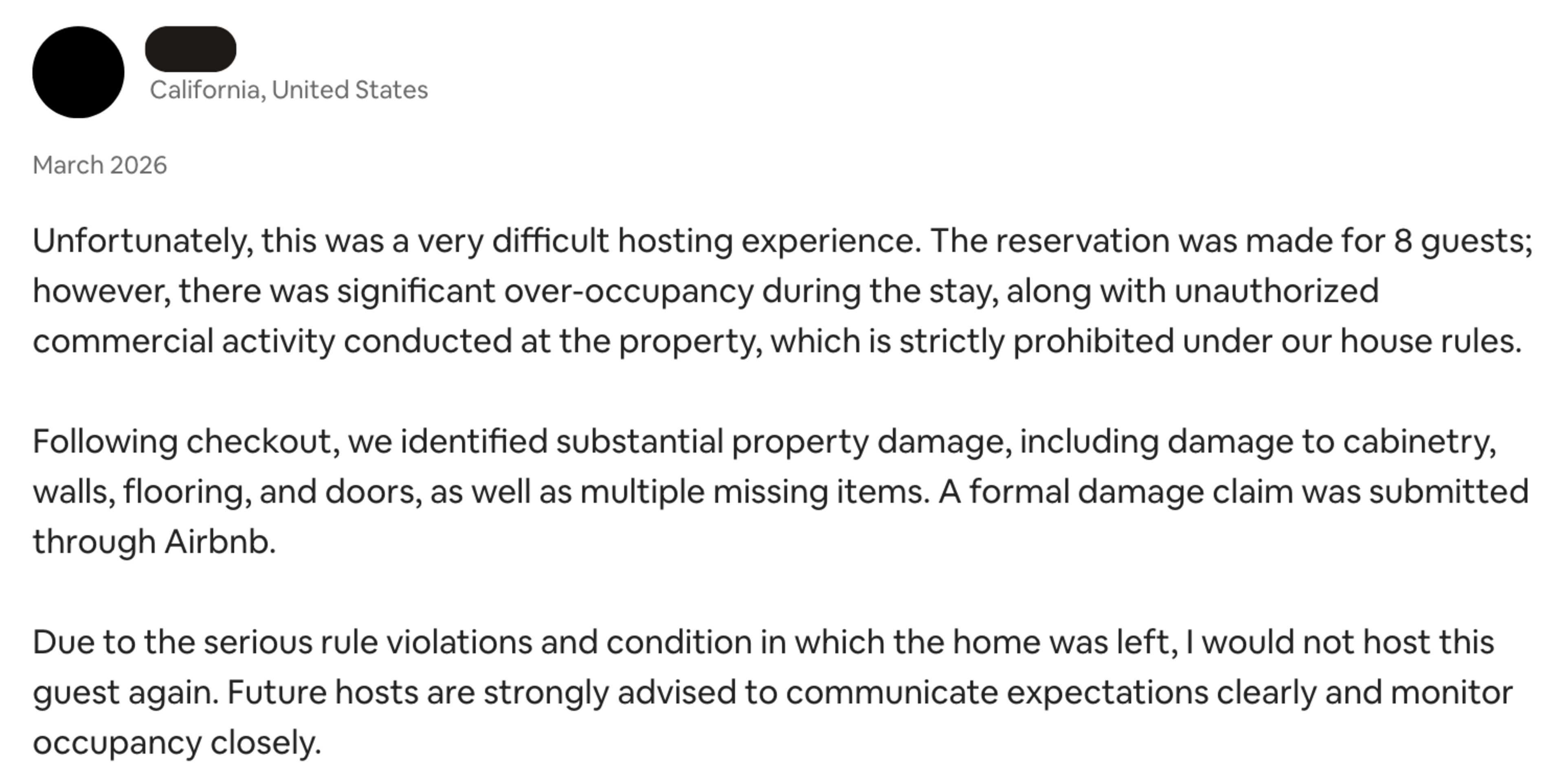
What makes this case particularly concerning is that Donovan may not be an isolated incident. Through his own investigation, Donovan discovered that three of the guests connected to his booking have received negative reviews from at least 12 other Bay Area hosts. These reviews allege similar patterns of property damage, failure to clean up, exceeding guest limits, and other rule violations.
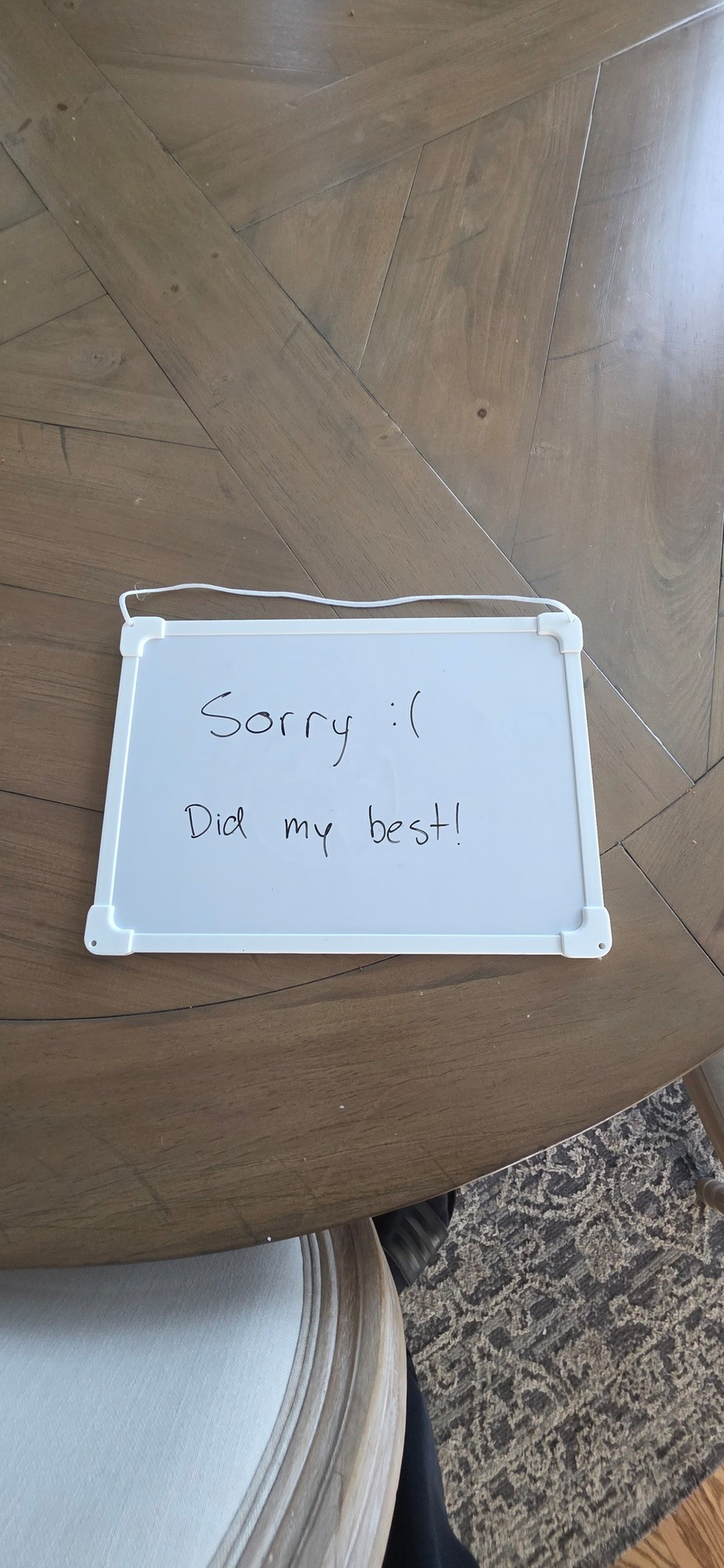
One host from an 1896 Victorian in Ingleside described finding scuff marks on walls, nicked paint on doorframes, a cracked refrigerator shelf, and a broken glass left in the garbage disposal after a six-night stay in March. "Sorry :( Did my best!" read a pithy message the group left on a whiteboard in the damaged dining area. The host initially suspected a party but later reconsidered when a neighbor mentioned seeing people bringing large black boxes into the property.
"The robot thing kind of makes sense now," the host said, adding that they would have been open to the arrangement had the company been transparent about their intentions. "If they're trying to better the lives of humans with robots, I'm all for that. I think there's a good future in that, but they don't need to be all sneaky about it."
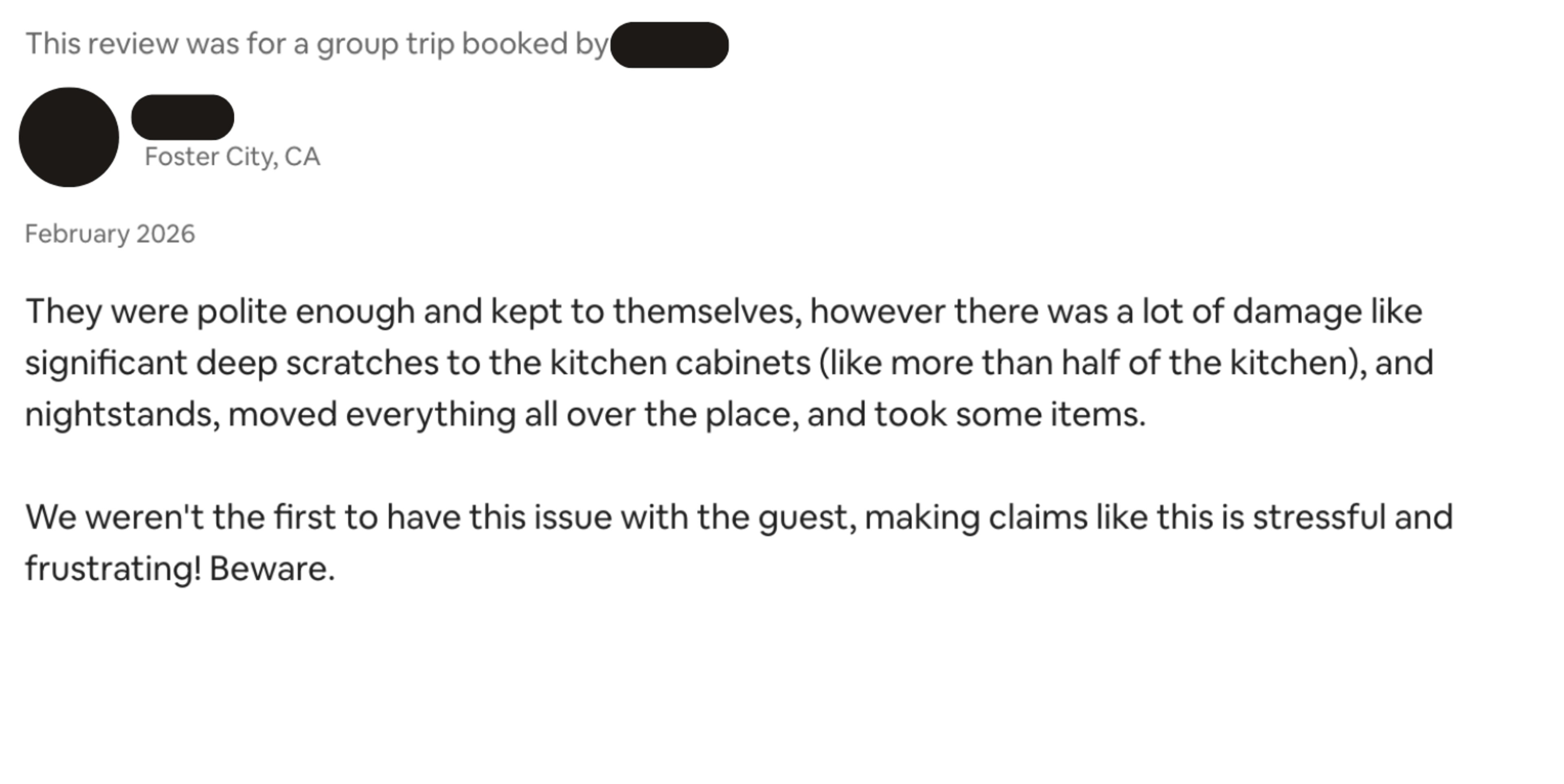
Another host in Burlingame reported that "most of my hardwood kitchen cabinets were scratched/gouged" after a February stay, noting the guests had brought "multiple large plastic cases and boxes at various times which I suspect caused the damage." A February complaint from a Foster City host described "significant deep scratches to the kitchen cabinets (like more than half of the kitchen), and nightstands, moved everything all over the place, and took some items."
The pattern suggests a systematic approach to acquiring properties for testing, raising questions about the company's research methodology and ethical considerations. The hosts' reactions reveal a common thread: they would have been willing participants had they been informed about the nature of the testing.
"The dishonesty is really what upsets me the most," Donovan stated. "If they had come straight up, 'Hey, we would like to rent your house for testing of our robot,' then we could have come to an agreement. But it's the lying and the misrepresentation that makes me feel violated."
This incident highlights a broader tension in the tech industry between rapid innovation and ethical boundaries. Companies often prioritize speed to market and competitive advantage over transparent practices, particularly in emerging fields like robotics and artificial intelligence. The sharing economy, which relies on trust between strangers, becomes particularly vulnerable when that trust is exploited.
Legal experts note that while companies have the right to test their products, doing so under false pretenses may constitute fraud. The hosts' options are limited, however, as Airbnb's resolution process often requires extensive documentation, and pursuing individual guests through small claims court may be impractical.
The Bot Company has not responded to requests for comment, leaving many questions unanswered. What is the full extent of their testing program? How many properties have been used without disclosure? What measures will they implement to prevent future incidents?
This case serves as a cautionary tale for both tech companies and hosts in the sharing economy. For innovators, it demonstrates the potential reputational and legal risks of opaque practices. For hosts, it underscores the importance of thorough vetting and documentation when accepting bookings.
As robotics technology continues to advance, incidents like this may become more common unless clear ethical guidelines and transparent practices are established. The tension between technological progress and personal property rights will likely intensify as robots become more integrated into daily life and home environments.
In the meantime, Donovan and other affected hosts are left to deal with the aftermath. Donovan has spent days repairing the damage and submitted an unresolved reimbursement request through Airbnb. His shoes remain missing, and he's uncertain about the long-term implications of his lawsuit.
"I don't know what will happen, and there are potential negative repercussions, but I also feel like what they're doing is wrong," Donovan said. "They're doing it to lots of people, and they should stop and at least be honest with what they're doing."
The incident raises fundamental questions about the relationship between technology companies and the communities they impact. As innovation accelerates, the tech industry must balance ambitious goals with respect for individual rights and transparent practices—particularly when testing products in private homes without disclosure.
Comments
Please log in or register to join the discussion