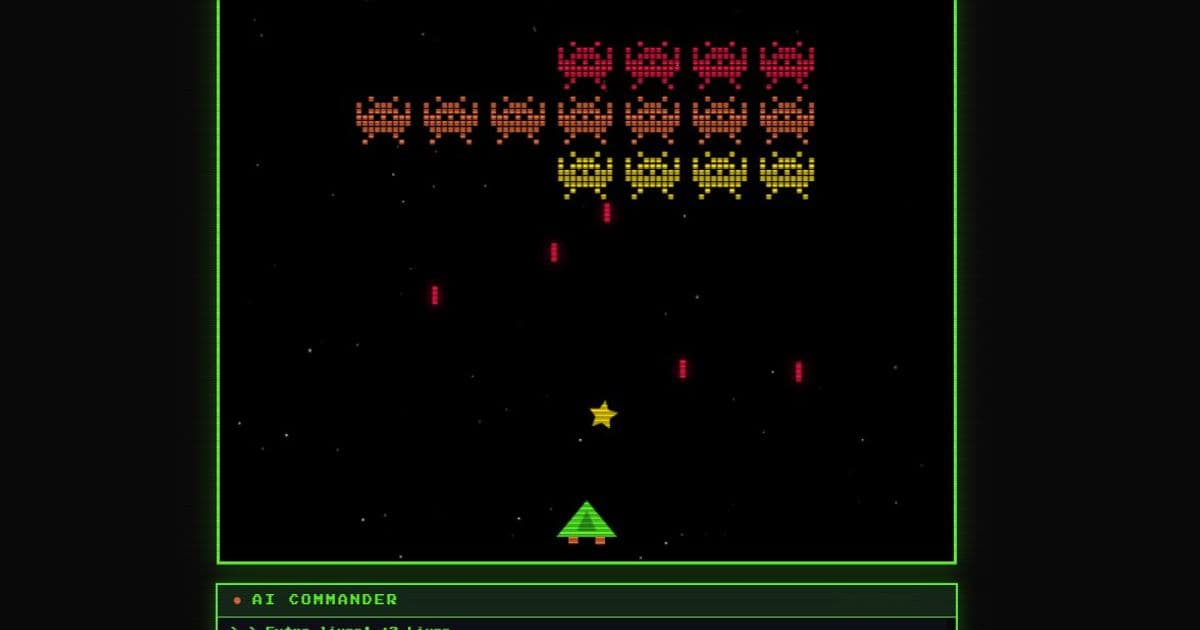
Microsoft has released a comprehensive tutorial demonstrating how to integrate Large Language Models into HTML5 games using Microsoft Foundry Local, enabling real-time AI features that run entirely on local hardware with minimal latency and zero API costs.
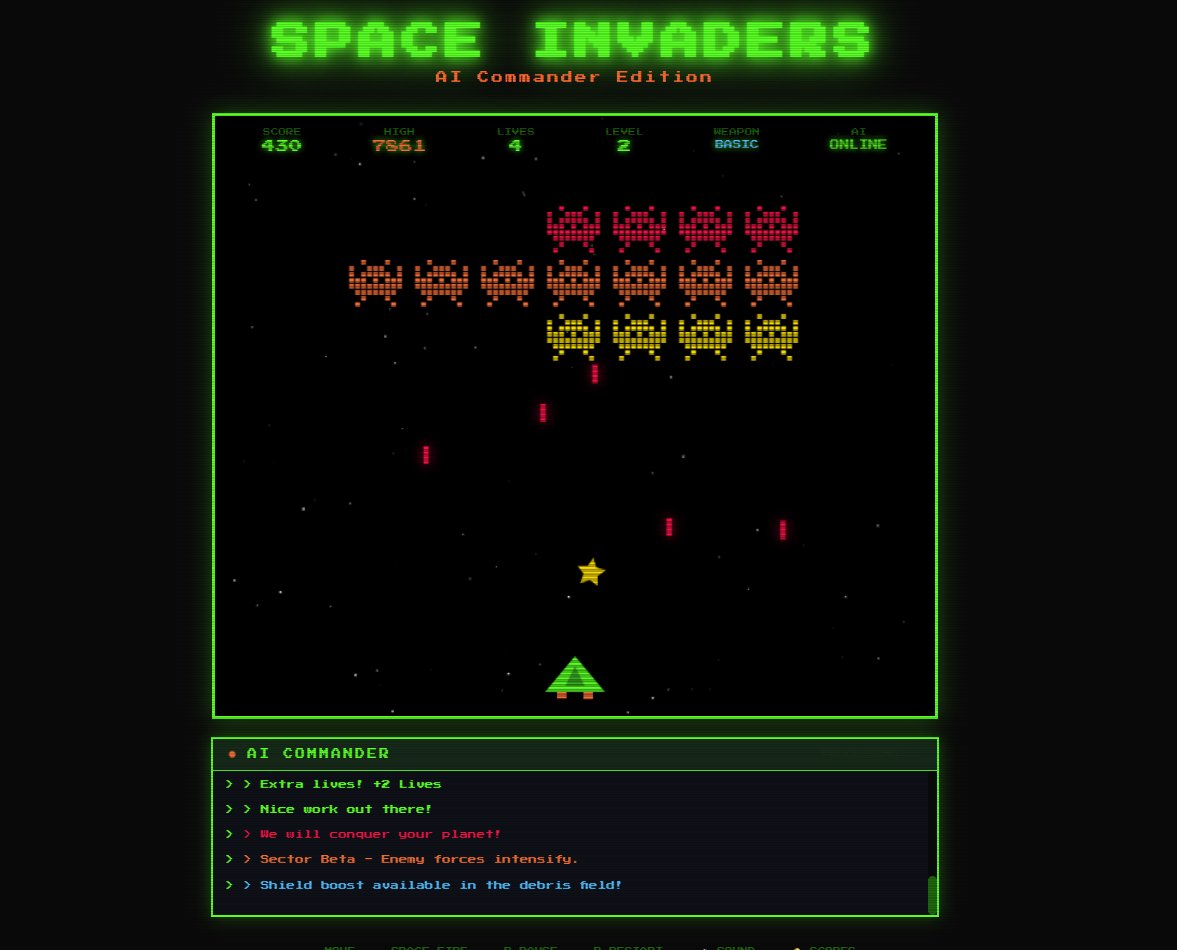
Microsoft has unveiled a practical implementation of local AI integration in gaming through its 'Space Invaders - AI Commander Edition' project, demonstrating how developers can leverage Microsoft Foundry Local to create responsive, AI-enhanced games without cloud dependencies. This release addresses critical limitations of cloud-based AI services for real-time applications while opening new possibilities for game developers and interactive application creators.
The Shift to Local AI for Gaming
Traditional cloud-based AI services have presented significant challenges for game developers, particularly regarding latency, cost, and privacy concerns. Cloud API calls typically introduce 500ms to several seconds of delay, making them impractical for fast-paced gaming environments where responses need to happen in milliseconds. Additionally, per-token pricing models can quickly accumulate during gameplay, creating unexpected costs for developers and publishers.
Microsoft Foundry Local presents an alternative approach by enabling small language models to run directly on consumer hardware. This solution provides response times in the 50-200ms range, making AI interactions feel instantaneous during gameplay. The cost structure shifts from per-use billing to a one-time installation model, eliminating API costs entirely. Furthermore, local processing ensures player data remains private and enables offline gameplay—a critical consideration for mobile gaming and regions with unreliable connectivity.
Technical Architecture and Implementation
The Space Invaders project demonstrates a clean separation of concerns between game logic and AI integration. The architecture consists of several key components:
- index.html: The main game interface and entry point
- game.js: Core game logic, physics, and rendering
- llm.js: AI communication module that formats game state into prompts
- server.js: Node.js proxy bridging browser and Foundry Local
- sound.js: Web Audio API implementation for retro sound effects
When game events occur—such as clearing a wave, achieving a combo, or losing a life—the game logic triggers AI requests through the llm.js module. This module formats the current game state into context-rich prompts, including score, accuracy, level, and recent events. These prompts are sent to Foundry Local via the proxy server, which returns AI-generated commentary that appears in the game's HUD.
The entire round-trip completes quickly enough to maintain the game's pace while providing meaningful, contextual interactions. This architecture pattern can be applied to various interactive applications beyond gaming, from educational tools to customer service interfaces.
Strategic Implications for Game Development
This release represents a significant shift in how developers approach AI integration in games. By eliminating cloud dependencies, Microsoft enables developers to create more responsive, private, and cost-effective AI features. The Space Invaders project demonstrates several strategic advantages:
Reduced operational complexity: Games with AI features no longer require cloud infrastructure management, reducing deployment complexity and potential points of failure.
Enhanced player privacy: All AI processing occurs locally, addressing growing concerns about data privacy in gaming applications.
Offline capability: Games can now provide AI-enhanced experiences without internet connectivity, expanding their market reach to regions with limited connectivity.
Cost predictability: Developers can budget for AI features without worrying about variable API costs based on player engagement.
Faster iteration cycles: Local development environments enable quicker testing and refinement of AI behaviors without API rate limits or costs.
Developer Experience and Tooling
Microsoft has provided comprehensive documentation and a working example that developers can immediately explore. The project includes:
- Detailed setup instructions for Windows, macOS, and Linux
- Integration with GitHub Copilot CLI for accelerated development
- Customizable AI personalities through prompt engineering
- Extensible architecture for adding new AI features
The GitHub repository (Space Invaders - AI Commander Edition) provides the complete source code, allowing developers to study the implementation and adapt it for their own projects. The project also demonstrates practical patterns for persisting game state using localStorage, synthesizing audio with the Web Audio API, and implementing power-up systems.
Industry Context and Future Directions
This release aligns with broader industry trends toward edge AI and on-device processing. Companies like Apple, Google, and Microsoft have all been investing in smaller, more efficient AI models that can run on consumer hardware. For game developers, this approach enables richer, more responsive AI features that were previously impractical due to latency or cost constraints.
The Space Invaders project serves as both a practical implementation and an educational resource. It demonstrates how developers can combine traditional game development with modern AI capabilities while providing patterns applicable to various domains beyond gaming. The integration of GitHub Copilot CLI further accelerates the development workflow, showcasing how AI tools can enhance both the creation process and the end-user experience.
As AI models continue to improve in efficiency and capability, we can expect to see more sophisticated local AI features in games—from dynamic storytelling and adaptive difficulty to personalized gameplay experiences that evolve based on individual player behavior.
Conclusion
Microsoft's release of the Space Invaders AI Commander Edition represents a significant step toward practical, local AI integration in gaming. By addressing the critical limitations of cloud-based AI services, this solution enables developers to create more responsive, private, and cost-effective interactive experiences. The project provides both a working example and an educational resource that can help developers implement similar patterns in their own applications.
For developers interested in exploring this approach, Microsoft has provided comprehensive documentation through the Microsoft Foundry Local Documentation and the project's GitHub repository. This release demonstrates how local AI can transform not just gaming, but any application requiring intelligent, context-aware responses without cloud dependencies.
Comments
Please log in or register to join the discussion