Microsoft has unveiled a landmark $30 billion investment in the UK's AI infrastructure, the largest outside the US, as part of a broader £31bn 'Tech Prosperity Deal' with Google, Nvidia, and others. This surge promises to accelerate economic growth and create thousands of jobs but faces scrutiny over AI's sustainability and copyright risks. The move positions Britain as a key AI battleground amid warnings of a potential tech bubble.
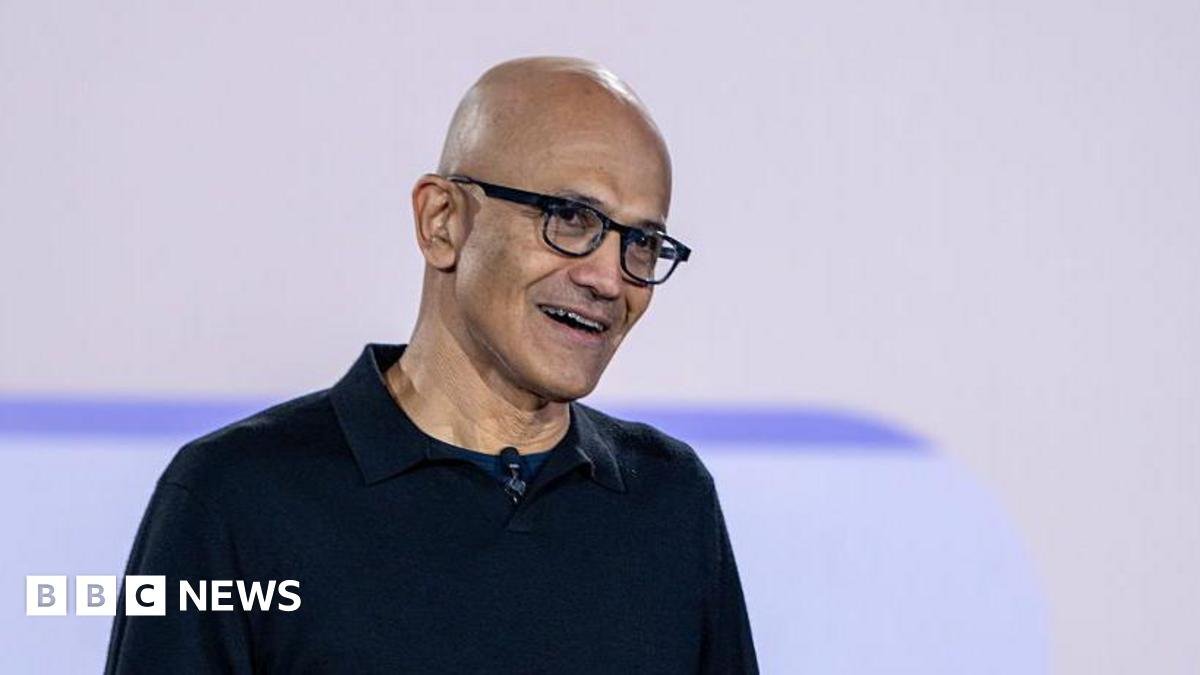
In a strategic play to cement the UK as a global AI powerhouse, Microsoft has committed $30 billion (£22 billion) to the nation's artificial intelligence sector—its most significant investment outside the United States. Announced during President Donald Trump's state visit, this forms the cornerstone of a £31 billion "Tech Prosperity Deal" between the UK government and US tech titans, including Google and Nvidia. The package targets AI infrastructure, such as data centers and a cutting-edge supercomputer in Essex, aiming to supercharge economic productivity within five years—half the timeline Microsoft CEO Satya Nadella once predicted for such transformations.
"Whenever anyone gets excited about AI, I want to see it ultimately in the economic growth and the GDP growth," Nadella told the BBC, drawing parallels to the PC revolution of the 1990s. He suggested AI could deliver productivity gains faster than historical tech shifts, though he cautioned against overhyping the field: "All tech things are about booms and busts and bubbles."
Prime Minister Sir Keir Starmer hailed the deal as a catalyst for "highly skilled jobs" that will benefit "every corner of the United Kingdom." Beyond Microsoft's pledge, Google has promised £5 billion for UK AI research over two years, while Nvidia and partners plan up to £11 billion in what they call Britain's "largest AI infrastructure rollout." This includes the Stargate UK project in Northumberland—a collaborative effort with OpenAI and Arm—though it pales compared to OpenAI's $500 billion US-based counterpart. The government designates north-east England an "AI growth zone," projecting over 5,000 new jobs.
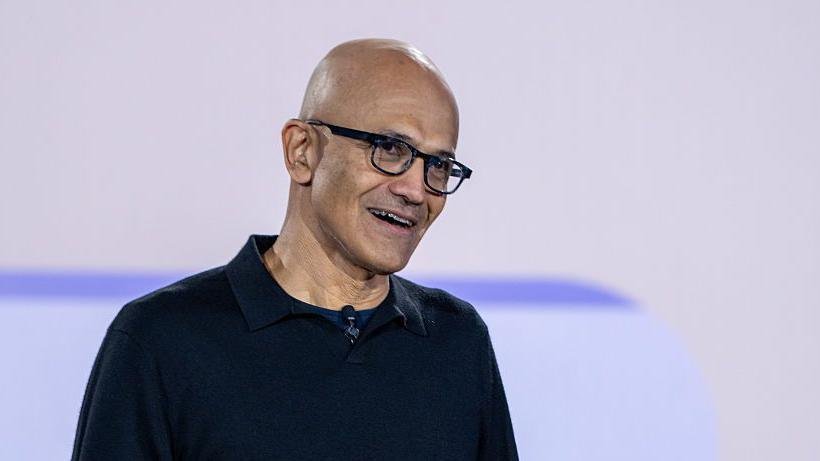
Satya Nadella on AI's promise: "It may happen faster, so our hope is not 10 years but maybe five."
Yet the investment spree ignites fierce debates. Campaign group Foxglove warns the UK could "foot the bill for the colossal amounts of power" required, citing AI's "very high" energy consumption that Nadella acknowledged. Technology Secretary Liz Kendall confirmed no tax breaks or copyright concessions were offered to tech firms, addressing concerns from the creative sector about AI training on unprotected content. The Conservative Party also noted recent pullbacks by companies like Merck, underscoring economic uncertainties.
Amid the fanfare, the Tony Blair Institute called this a "breakthrough moment" but stressed the UK must accelerate planning reforms and clean energy projects to sustain growth. As Nadella quipped about using Microsoft's Copilot to navigate royal banquet attire, the real test lies in balancing innovation with responsibility. This deal isn't just about data centers—it's a high-stakes wager on whether AI can drive inclusive prosperity without exhausting resources or inflating a bubble that leaves Britain exposed.
 Source: BBC News
Comments
Please log in or register to join the discussion