
Microsoft's public preview of DNS-over-HTTPS for Windows DNS Server marks a pivotal shift in securing on-premises network infrastructure, enabling encrypted DNS resolution aligned with Zero Trust principles.

Microsoft has initiated public preview for DNS over HTTPS (DoH) support in Windows Server 2025 DNS services, fundamentally altering how enterprises secure core network infrastructure. This implementation encrypts client-to-resolver communications using HTTPS/TLS protocols, addressing critical vulnerabilities in traditional DNS while maintaining compatibility with existing operations.
Why DNS Security Demands Modernization
DNS remains the unguarded backbone of network operations. Standard DNS queries travel unencrypted over port 53, exposing network topology, user behavior patterns, and resource destinations. Attackers exploit this visibility for reconnaissance, redirection attacks, and data exfiltration. With remote work expanding corporate perimeters and regulations like OMB M-22-09 mandating encrypted DNS, securing this layer becomes non-negotiable for risk-aware organizations.
Protocol Analysis: DoH vs. DoT
Two standards dominate DNS encryption:
- DNS over TLS (DoT) operates on TCP port 853, wrapping DNS in TLS encryption
- DNS over HTTPS (DoH) uses HTTPS port 443, embedding DNS within HTTP/2 streams
Microsoft's DoH implementation prioritizes HTTPS integration for several strategic reasons:
- Firewall Compatibility: Port 443 traffic faces fewer corporate firewall restrictions
- Obfuscation Advantage: DoH traffic blends with regular HTTPS traffic, complicating detection/blocking
- Certificate Validation: Leverages existing PKI infrastructure for server authentication
Notably, this release focuses exclusively on client-resolver encryption. Upstream communications (resolver-to-forwarder or resolver-to-authoritative) remain unencrypted during preview, with forwarder encryption planned for future updates.
Zero Trust Integration Framework
Microsoft's DoH implementation complements existing Windows client Zero Trust DNS capabilities, creating end-to-end encryption alignment:
| Component | Pre-DoH Capability | With DoH Server |
|---|---|---|
| Windows Clients | Supports DoH resolution | Full encrypted path to resolver |
| DNS Server | Unencrypted client handling | Encrypted client reception |
| Upstream Resolvers | Varies by configuration | Still requires encryption (future phase) |
This phased approach allows enterprises to incrementally harden infrastructure without operational disruption. Critical administrative functions—zone management, forwarding logic, resolution behavior—remain unchanged.
Migration Considerations for Enterprises
- Compatibility Testing: Validate application behavior with encrypted DNS, especially legacy systems
- Certificate Management: Plan for TLS certificate deployment/rotation across DNS servers
- Performance Baselines: Monitor resolver performance under encrypted workload (new PowerShell cmdlets provide metrics)
- Hybrid Transition: Run DoH alongside traditional DNS (port 53) during migration
Provider Comparison: Cloud vs On-Premises Solutions
| Solution | Encryption Scope | Management Model | Ideal Use Case |
|---|---|---|---|
| Windows DNS DoH | Client-to-resolver | On-premises control | Hybrid enterprises maintaining local DNS |
| Cloudflare Gateway | End-to-end (client to cloud) | SaaS-managed | Cloud-first organizations |
| Google Cloud DNS | Resolver-to-authoritative | Cloud-managed | GCP-centric environments |
| Azure Private DNS | VNet-bound resolution | Hybrid management | Azure-integrated networks |
Microsoft's approach delivers unique value for organizations requiring local DNS control while meeting Zero Trust mandates, avoiding cloud dependency for resolution services.
Business Impact Analysis
- Regulatory Alignment: Directly satisfies OMB M-22-09 requirements for federal agencies
- Attack Surface Reduction: Eliminates DNS snooping and spoofing for client-resolver segment
- Operational Continuity: Maintains existing DNS management paradigms while adding encryption
- Future-Proofing: Positions infrastructure for upcoming standards like QUIC-based DNS
Strategic Recommendations
- Pilot in non-production environments using the preview build
- Audit client compatibility, especially legacy and IoT devices
- Develop certificate automation strategy for TLS management
- Monitor IETF developments for upstream encryption standards
The public preview remains unsuitable for production deployments but represents a critical milestone in hardening core infrastructure. Enterprises should begin evaluating now to streamline eventual migration when the feature reaches general availability.
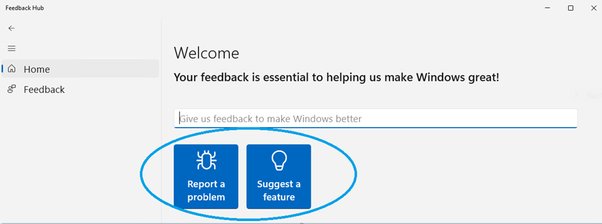
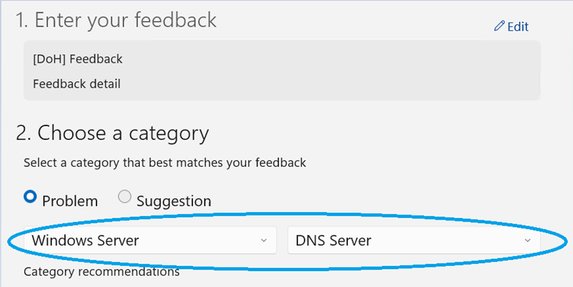
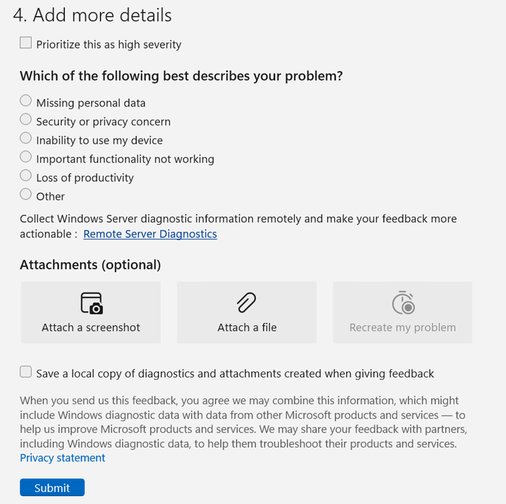
Access the Preview: Request access via Microsoft's evaluation program Documentation: Windows Server DoH implementation details Zero Trust Context: Microsoft's Zero Trust DNS framework
Comments
Please log in or register to join the discussion