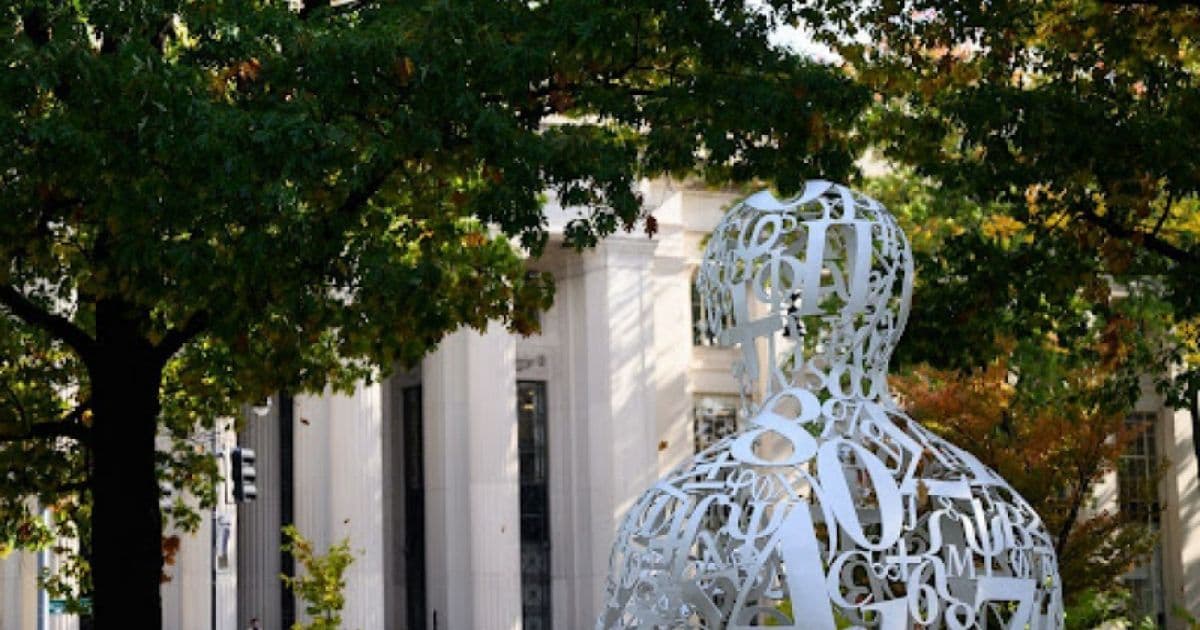
MIT secured #1 positions in Arts & Humanities, Business & Economics, and Social Sciences in the Times Higher Education 2026 rankings, maintaining its leadership across disciplines spanning three schools for the second consecutive year.
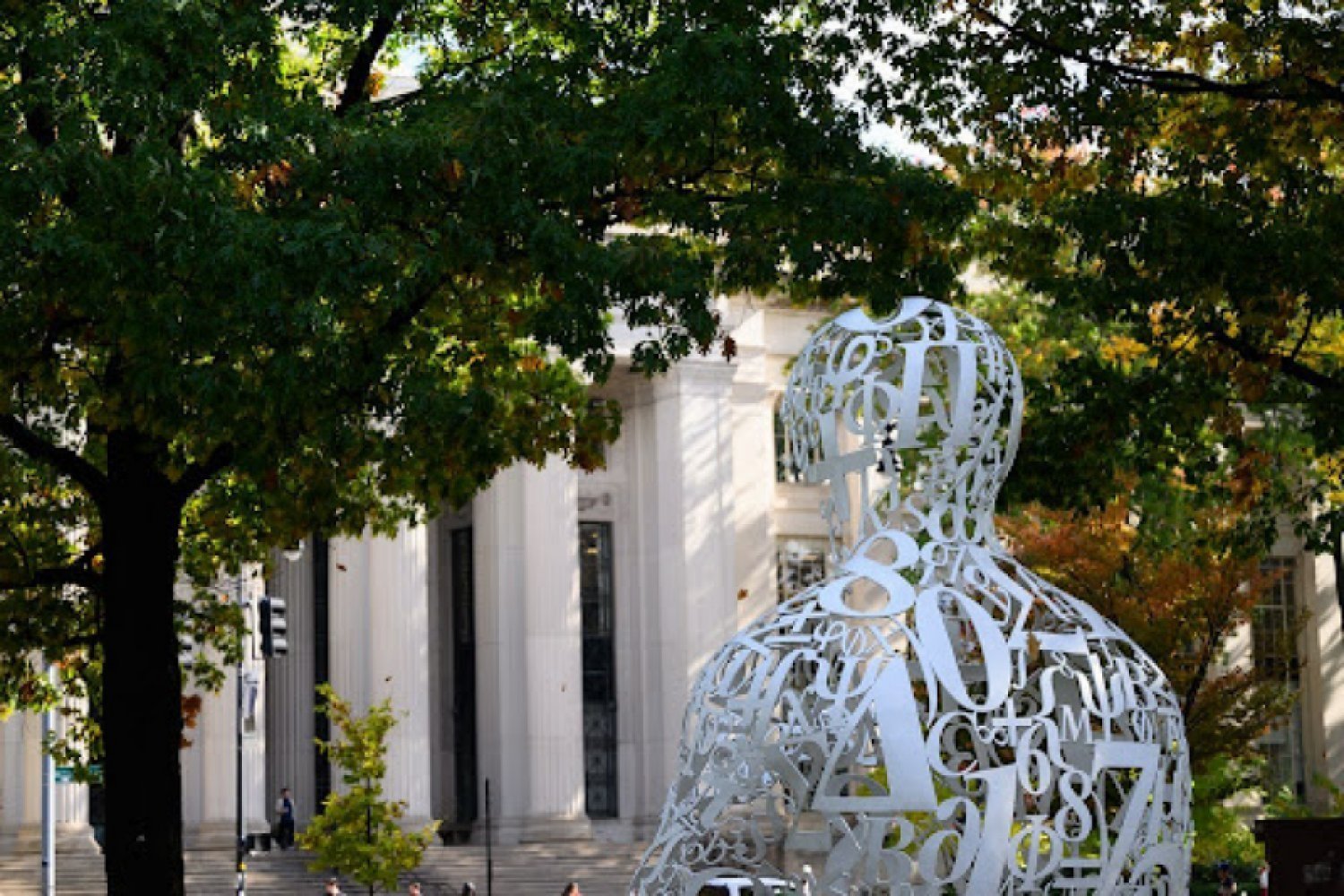
The Massachusetts Institute of Technology has reaffirmed its global leadership in interdisciplinary education with the 2026 Times Higher Education (THE) World University Rankings naming MIT #1 in Arts and Humanities, Business and Economics, and Social Sciences. This marks the second consecutive year MIT has simultaneously held top positions in these three categories, demonstrating sustained excellence across human-centered disciplines.
The rankings evaluated 1,202 institutions across 104 countries using 18 performance indicators grouped into five core pillars: teaching environment (30%), research environment (30%), research quality (30%), industry collaboration (7.5%), and international outlook (2.5%). This methodology assesses both academic rigor and real-world impact, requiring institutions to excel across diverse metrics from citation impact to industry partnerships.
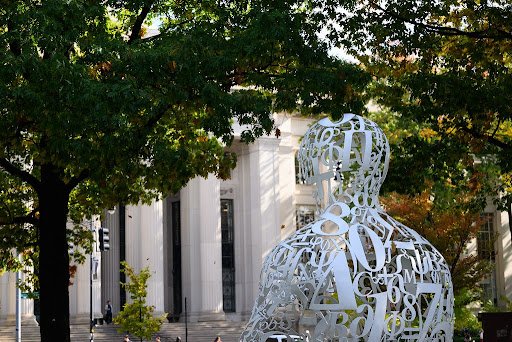 The Alchemist sculpture at MIT, representing the fusion of artistic and scientific inquiry
"SHASS is a vibrant crossroads of ideas, bringing together extraordinary people," said Agustín Rayo, Kenan Sahin Dean of the School of Humanities, Arts and Social Sciences. "These rankings reflect the strength of this remarkable community and MIT's ongoing commitment to the humanities, arts, and social sciences." MIT's Arts and Humanities division topped 817 global institutions in disciplines including architecture, philosophy, linguistics, and performing arts.
In Business and Economics, MIT secured its fifth consecutive #1 ranking among 1,067 institutions. "We provide students with education combining analytical reasoning, functional knowledge, and hands-on management training," explained Richard M. Locke, John C Head III Dean at the MIT Sloan School of Management. "The interdisciplinary nature of MIT teaches students to navigate complex challenges through collaboration."
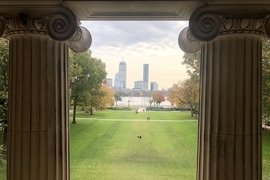
The Social Sciences category saw MIT lead 1,202 institutions in political science, sociology, anthropology, and communication studies. Hashim Sarkis, Dean of the School of Architecture and Planning, noted: "The human dimension is capital to our mission. This acknowledgment renews our commitment to human values across architecture, planning, and media arts."
MIT also ranked among the top five globally in technical fields: #3 in Engineering and Life Sciences, and #4 in Computer Science and Physical Sciences. The Institute maintained its overall position as the world's #2 university.
These results highlight MIT's distinctive approach to integrating technical and humanistic disciplines. Unlike institutions with siloed departments, MIT encourages cross-school collaboration through initiatives like the MIT Schwarzman College of Computing and MISTI global programs. This ecosystem enables research tackling societal challenges—from economic inequality to ethical AI—through combined methodological rigor and human-centered design.
While rankings provide valuable benchmarking, they have limitations in capturing nuanced educational outcomes. THE's heavy weighting of research output (60% combined) may underrepresent teaching innovation. Nevertheless, MIT's sustained dominance across both technical and humanistic fields signals a robust model for 21st-century education where scientific advancement and societal impact converge.
Comments
Please log in or register to join the discussion