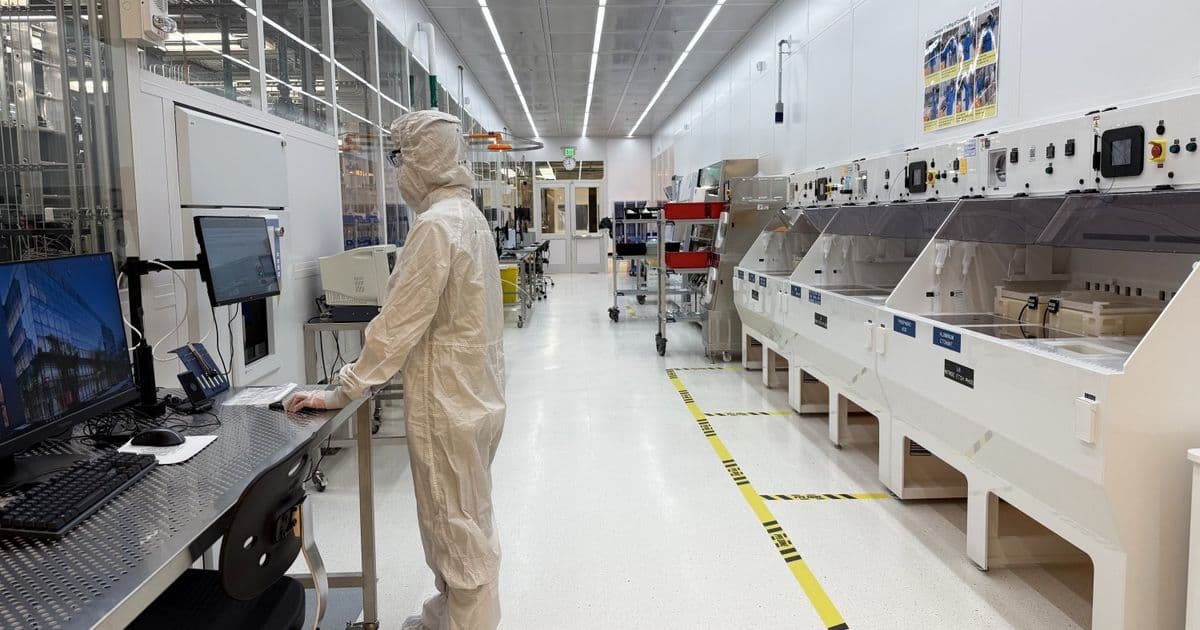
MIT.nano has transitioned from the legacy CORAL system to NEMO, an open-source laboratory management platform that centralizes tool reservations, communications, and operational logistics for over 1,500 researchers using more than 200 instruments annually.
Each year, more than 1,500 researchers at MIT.nano collectively generate 160,000 hours of work across 88,000 instances of tool use. Managing such a dynamic research environment requires sophisticated coordination between users, equipment, and administrative processes. To address this complexity, MIT.nano has implemented the NanoFab Equipment Management and Operations (NEMO) system, replacing their previous CORAL platform with a modern, integrated solution that better serves the needs of today's research community.
The transition represents a significant upgrade in laboratory management capabilities. "We needed a system that centralizes everything a facility user depends on — policies, tool documentation, training workflows, and communications — within a user-friendly, mobile-accessible environment," explains Anna Osherov, associate director for Characterization.nano, who led the evaluation and transition effort. "Just as important was making sure the platform enhances the experience for both users and staff."
From CORAL to NEMO: A System Evolution
For decades, researchers at MIT's Microsystems Technology Laboratories (MTL) and Materials Research Laboratory relied on the CORAL lab management platform. Jointly developed by MIT and Stanford University and introduced in 2003, CORAL represented a significant advance over the text-based system it replaced. However, by the time MIT.nano adopted CORAL in 2018, active development had slowed, and the platform was showing its limitations, particularly in lacking modern web and mobile interfaces expected by contemporary users.
"Over time, NEMO was replicating core functionalities of CORAL while introducing new features that CORAL simply could not support," explains Thomas Lohman, senior software and systems manager at MTL and a long-time contributor to CORAL's development. "The question became whether to continue patching the old system or adopt this new platform that already had a lot of the features we use daily, as well as an active community continually improving it."
Technical Architecture and Implementation
NEMO, an open-source laboratory management system originally developed at the National Institute of Standards and Technology, offered a modern foundation with its modular architecture and plugin framework. This design allows for extensive customization, enabling the system to evolve alongside the needs of a large, shared research environment.

MIT.nano collaborated closely with Mathieu Rampant, NEMO project lead and CEO of Atlantis Labs, to adopt the community edition of NEMO, an extended version enriched by contributions from a growing global user base. "The NEMO community is expanding rapidly, and many new features originate directly from facility users and administrators," says Rampant. "That collaborative model allows improvements to propagate quickly while giving institutions a sense of ownership in the platform's evolution."
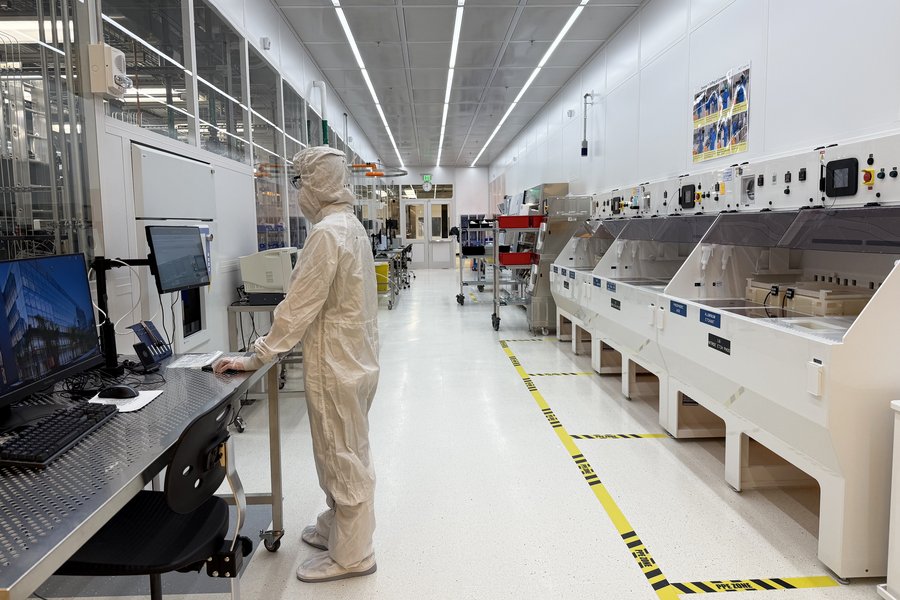
Implementing NEMO at MIT.nano's scale required addressing specific operational challenges. "Features that work well in a typical characterization lab can quickly become a burden in a more chemically active environment like the cleanroom," explains Jorg Scholvin, associate director of Fab.nano. "Relying on researchers to log in using personal devices and Duo authentication, for example, would be impractical in that setting."
To address these challenges, MIT.nano collaborated with MIT Information Systems and Technology teams, including Associate Vice President Olu Brown and Senior Director for Infrastructure Operations Marco Gomes, to streamline integration between MIT systems and NEMO for cleanroom users. "The availability of modern APIs allowed us to connect very different systems efficiently and deliver a convenient, seamless, and productive experience in the lab," says Scholvin.
Modern Features and User Experience
NEMO introduces several modern features long requested by MIT.nano researchers:
- Mobile access to the system from any device
- Improved transparency in tool availability and usage
- Streamlined training registration workflows
- Real-time equipment waitlists
- Integrated issue reporting
- Enhanced communication channels with staff
- Personalized notification settings
- Usage tracking for tools and consumables
What was once distributed across multiple systems is now centralized through a unified dashboard, significantly reducing friction in day-to-day lab operations. Researchers can now manage their entire workflow—from checking tool availability to completing required training and reporting issues—through a single, intuitive interface.
Operational Impact and Future Development
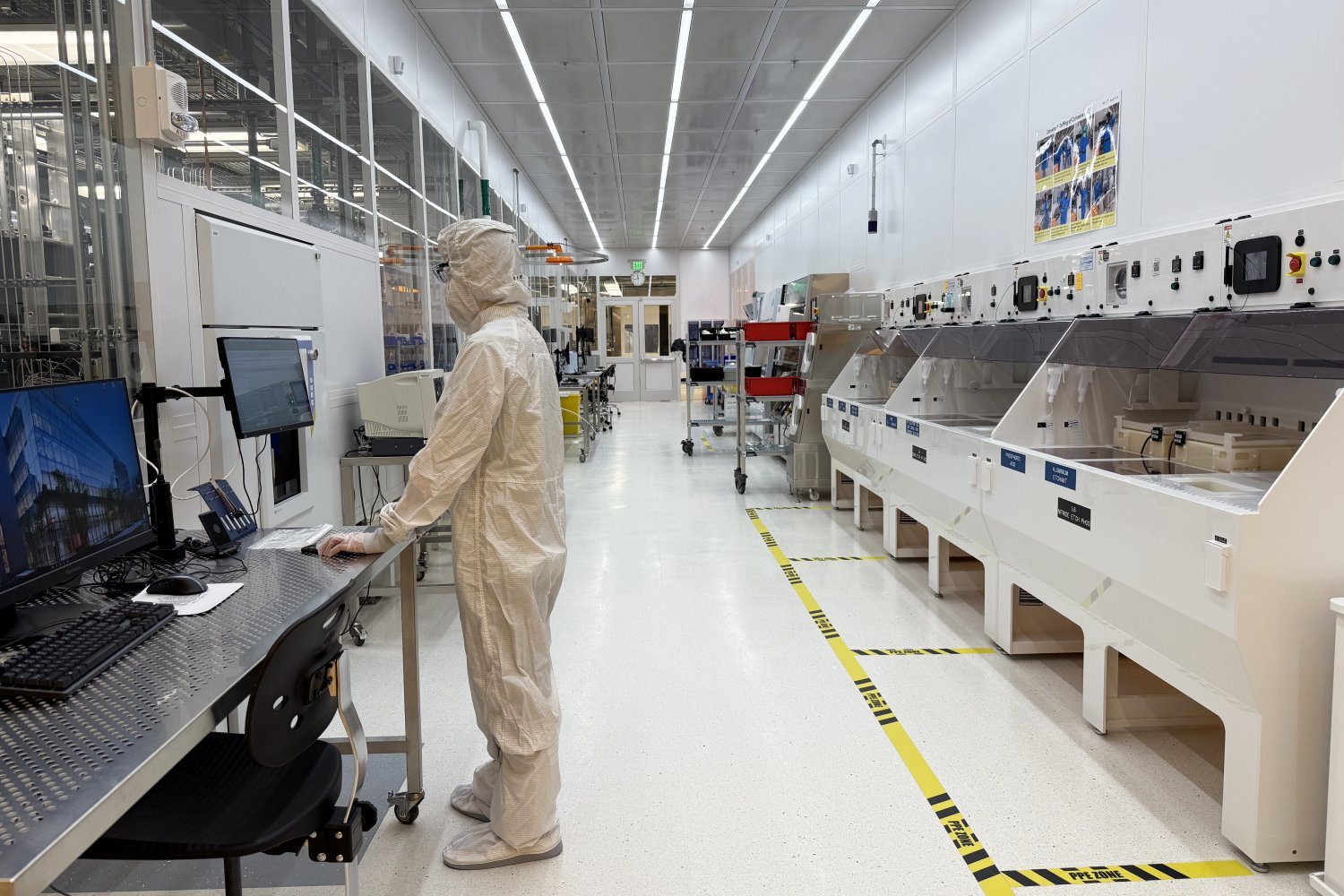
The NEMO system now processes thousands of reservations, communications, and operational actions daily, supporting MIT.nano's mission to provide world-class research infrastructure to the MIT community. As one of the largest shared-access facilities deploying NEMO, MIT.nano has played a central role in advancing the platform's capabilities, both by helping shape its development and by demonstrating a model that is scalable and effective for other research centers.
Enhancements first created to meet MIT.nano's needs are now leveraged by other facilities adopting NEMO across the globe. This collaborative approach ensures that improvements benefit the broader research community while allowing MIT.nano to maintain a system tailored to their specific operational requirements.
The implementation of NEMO represents more than just a technological upgrade; it reflects MIT.nano's commitment to evolving infrastructure that supports the pace, complexity, and collaborative spirit of modern research. By centralizing essential functions and providing a modern, user-friendly interface, the system enables researchers to focus on their scientific work rather than administrative hurdles.
For more information about NEMO, visit the official project page. Additional details about MIT.nano's facilities and operations are available through their official website.
Comments
Please log in or register to join the discussion