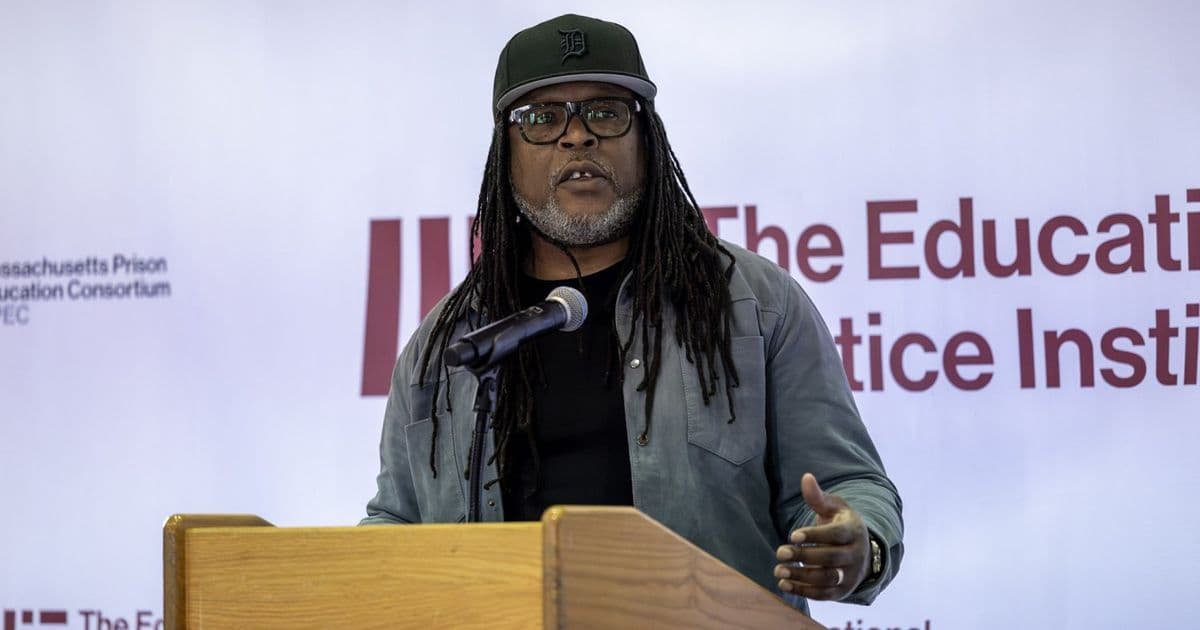
MIT recently hosted a summit bringing together educators, policymakers, and community partners to expand educational opportunities for incarcerated individuals, featuring resilience expert Shaka Senghor and focusing on integrating community college education with county corrections.
A recent summit at MIT brought together educators, policymakers, and community partners to address expanding educational access for incarcerated individuals across Massachusetts. The Massachusetts Prison Education Consortium (MPEC) summit, hosted by the Educational Justice Institute (TEJI) at MIT, focused on transforming lives through learning and redefining pathways to freedom for justice-impacted individuals.
Building Integrated Systems for Educational Access
The daylong event, titled "Building Integrated Systems Together: Massachusetts Community Colleges and County Corrections 2.0," addressed three critical areas: integrating Massachusetts community college education with county corrections to provide incarcerated individuals access to higher education; connecting carceral education with industry to expand work and credentialing opportunities; and better serving women who face unique challenges within the criminal legal system.
Created by TEJI, MPEC represents a statewide network of Massachusetts colleges, organizations, and correctional partners working collaboratively to expand access to high-quality, credit-bearing education in prisons and jails throughout the Commonwealth. The consortium operates across the entire educational pipeline, from academic programming and faculty support to research, reentry pathways, and more, building on the research and success of the MIT Prison Education Initiative and the recent restoration of Pell Grant eligibility for incarcerated learners.
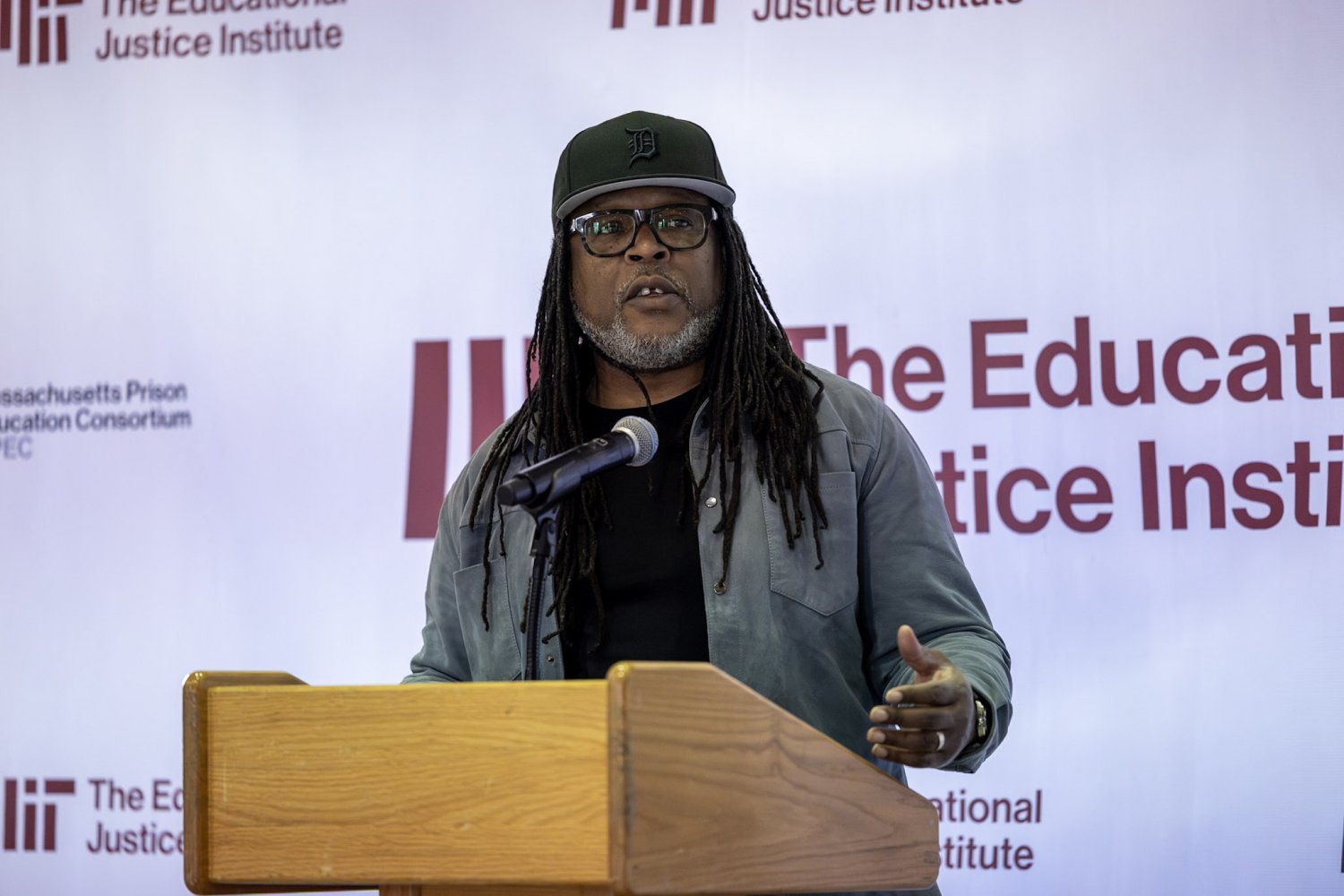
Keynote Address: Shaka Senghor's Journey of Transformation
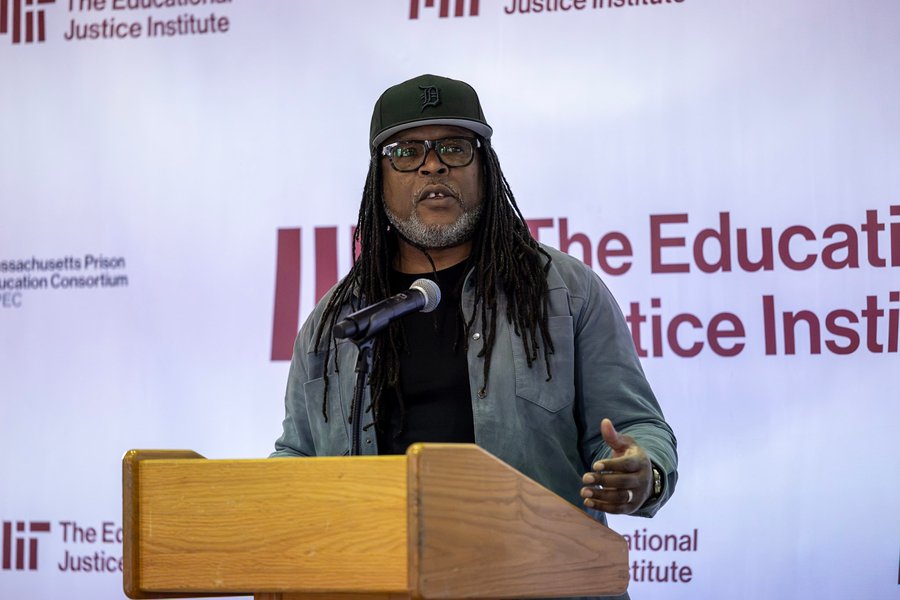
Author and resilience expert Shaka Senghor delivered a powerful keynote address that traced his personal journey from trauma to transformation. Senghor emphasized the profound impact of reading, mentorship, and completing meaningful work during incarceration. His central question, "What else can you do with your mind?" became a recurring theme throughout the summit, challenging participants to view prison education not merely as a workforce pathway but as a catalyst for dignity and hope after reentry.
Senghor directly confronted the stigma faced by returning citizens, recalling a corrections officer's prediction that he would return to prison within six months after his release on parole. This experience highlighted the structural and social barriers encountered by individuals seeking to rebuild their lives after incarceration.
Strategic Planning and Implementation Challenges
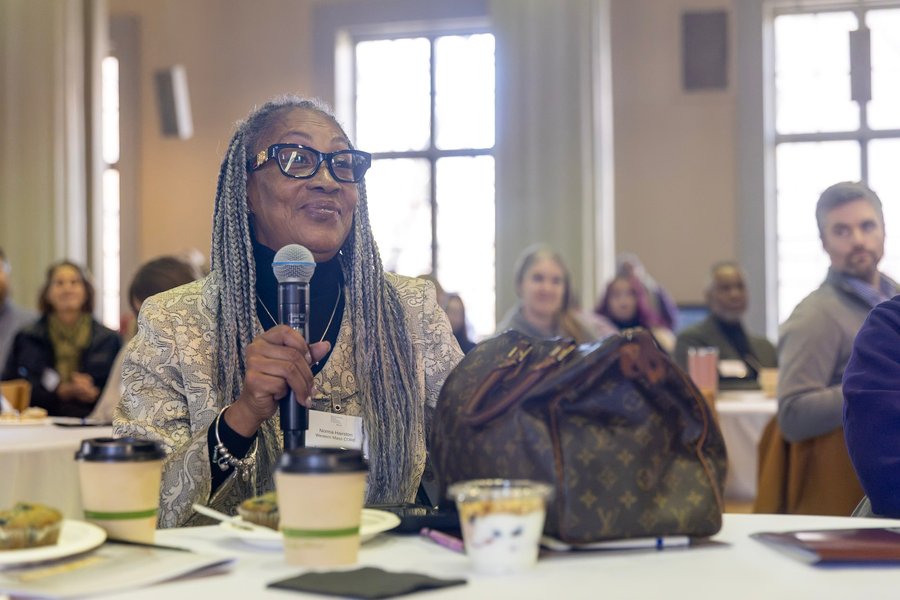
Throughout morning addresses and afternoon strategy sessions, summit attendees developed concrete plans for scaling classroom capacity, aligning curricula with regional labor markets, and strengthening academic and reentry supports. Panels explored practical issues including coordinating registration and credit transfer when students move between facilities, staffing hybrid classrooms that combine in-person and remote instruction, and measuring program outcomes beyond enrollment.
TEJI co-directors Lee Perlman and Carole Cafferty emphasized that the average length of stay within county facility programs is only six months, making it crucial to design high-impact programs that deliver meaningful results even during short participation periods.
Funding and Sustainability Perspectives
The summit brought together funders and implementors shaping the field's future. Molly Lasagna of Ascendium Education Group described the organization's "Expand, Support, Connect" strategy, which funds the creation of new educational programs, strengthens basic needs and advising infrastructure, and ensures that individuals leaving prison can transition into high-quality employment opportunities. Lasagna challenged participants to consider how education programs create pathways to opportunity, noting that true change requires aligning education, reentry, and workforce systems.
Stefan LoBuglio, former director of the National Institute of Corrections and a national thought leader in corrections and reentry, praised Massachusetts as a leader in prison education while cautioning that staffing shortages, limited program space, and uneven access to technology continue to constrain progress. "We have a crisis in staffing in corrections that does affect our educational programs," he noted, calling for attention to staff wellness and institutional support as essential components of sustainability.
MIT's Educational Justice Institute: Bridging Communities
TEJI serves dual populations: incarcerated learners and the MIT community. All TEJI classes involve MIT students, either learning alongside incarcerated students or serving as teaching assistants. The institute's humanities classes, described as a "philosophical life skills curriculum," provide MIT students with opportunities to discuss how to live meaningful lives with incarcerated students from very different backgrounds.
These courses, offered through MIT's Experimental Study Group, prioritize hands-on learning and innovative teaching methods. Perlman's courses are almost always taught in carceral settings and have proven highly impactful for MIT students. "In courses like Philosophy of Love; Non-violence as a Way of Life; and Authenticity and Emotional Intelligence for Teams, the discussions are rich and personal. Many MIT students have described their experience in these classes as life-changing," Perlman noted.
Emerging Initiatives and Future Directions
The summit highlighted several emerging pilots and partnerships, including a new "Prisons to Pathways" initiative aimed at building stackable, transferable credentials aligned with regional industry needs. Additional collaborations with the American Institutes for Research will support new implementation guides and technical assistance resources designed by practitioners in the field.
The event concluded with a commitment to sustain collaboration among Massachusetts educators, corrections partners, funders, and community organizations. As Senghor reminded participants, the work is both practical and moral. His question, "What else can you do with your mind?" serves as a powerful reminder that learning inside prison can become a foundation for opportunity outside it.

The Massachusetts Prison Education Consortium summit represents a significant step forward in creating integrated, equitable educational systems for incarcerated individuals. By bringing together diverse stakeholders to address practical challenges while maintaining focus on the human dimension of education and reentry, the event laid groundwork for expanding access to higher education and reducing recidivism in local communities across the Commonwealth.
Comments
Please log in or register to join the discussion