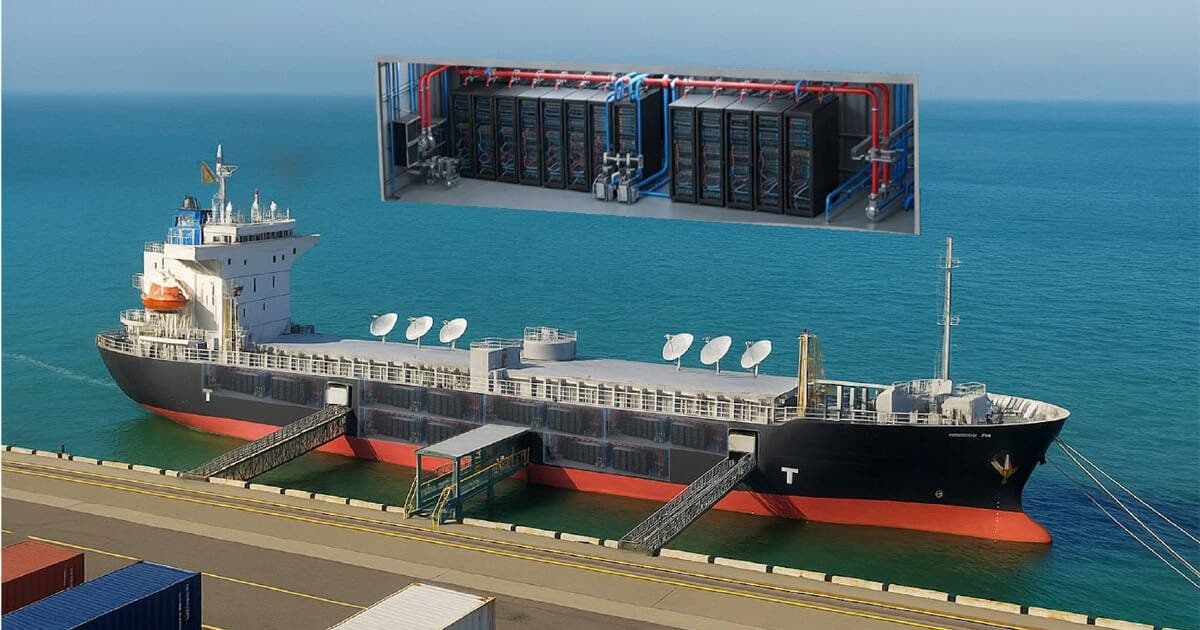
Japanese shipping giant MOL partners with Hitachi to develop floating datacenters using converted vessels, targeting 2027 operations to address land scarcity and cooling challenges.
Japanese shipping giant Mitsui OSK Lines (MOL) has signed a memorandum of understanding with Hitachi and its subsidiary Hitachi Systems to develop floating datacenters using converted second-hand vessels, with operations targeted for 2027 or later.
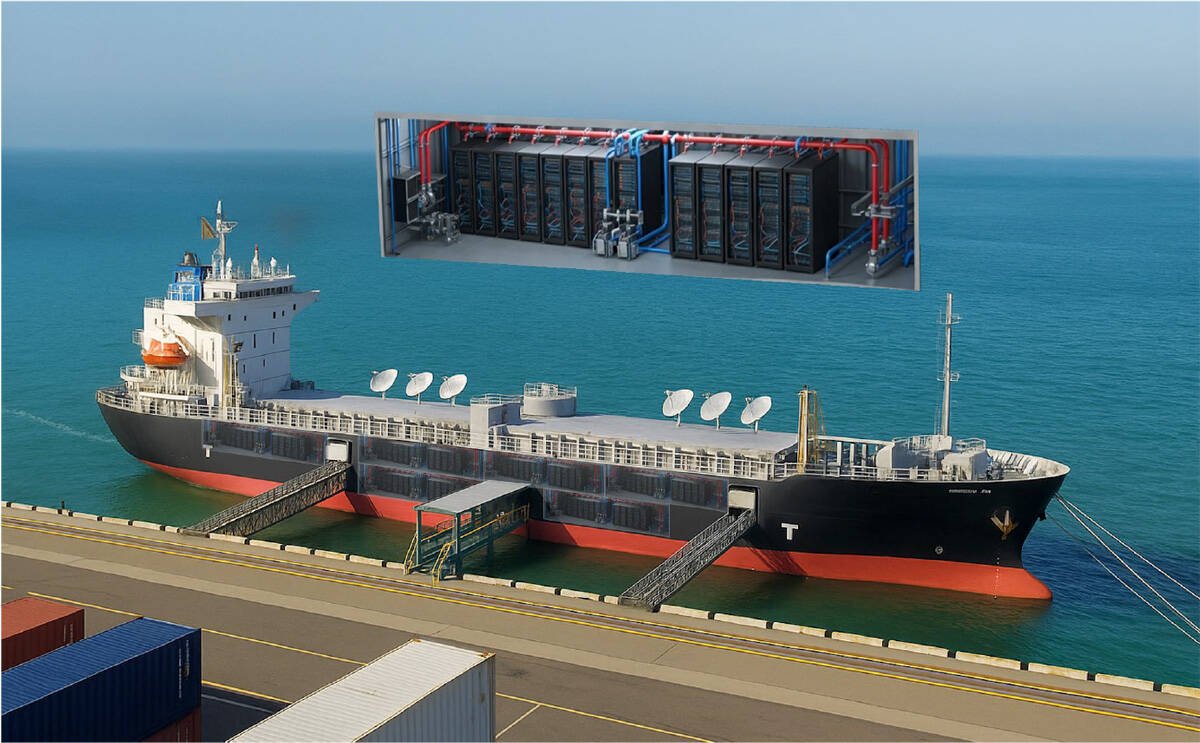
The partnership represents a significant step forward in Japan's exploration of maritime data infrastructure solutions. MOL first announced its floating datacenter concept last year, proposing to outfit a vessel as a floating server farm that could leverage seawater or river water for cooling purposes. The new agreement with Hitachi brings additional technical expertise and commercial capabilities to the project.
Under the terms of the MoU, Hitachi and Hitachi Systems will lead the IT infrastructure design, installation, and operation aspects of the project. The companies will also be responsible for customer acquisition and requirements gathering. As a shipping line, MOL will handle vessel conversion planning, stakeholder engagement including discussions with port authorities, and maritime operational requirements such as mooring and maintenance.
The floating datacenter concept addresses several challenges facing the Japanese technology sector. Like many developed nations, Japan faces a shortage of available land for large-scale infrastructure projects. Most of the country's existing data campuses are concentrated around Tokyo and Osaka, creating geographic constraints for expansion. Additionally, the recent surge in demand for server farms, driven partly by the generative AI boom, has intensified the need for diverse facility types that can address factors such as location, water resource availability for power generation and cooling, surrounding infrastructure, and disaster risks.
MOL's approach offers several advantages over traditional land-based facilities. Using converted ships eliminates the need to secure large plots of land and can significantly shorten construction time - potentially to as little as one year. The company is now examining the use of car carriers, which could provide approximately 54,000 m² (580,000 square feet) of cargo area. This floor space would rival one of Japan's largest existing datacenters.
The project also incorporates energy considerations. Last year, MOL signed an MoU with a Turkish firm that operates powerships - vessels that function as electric power generators - with the intention of using this approach to power its floating datacenter. The current plan also involves utilizing existing onboard systems such as air conditioning, water intake, and power generation to reduce initial investment requirements.
Hitachi and Hitachi Systems bring relevant experience to the partnership. The companies already own and operate conventional land-based datacenters in Japan and have installed containerized data facilities and provided datacenter services in Malaysia and the US. This background positions them well to handle the IT infrastructure aspects of the floating datacenter project.
The floating datacenter concept represents an innovative approach to addressing the growing demand for data infrastructure while navigating Japan's geographic and resource constraints. If successful, it could serve as a model for other regions facing similar challenges with land availability and cooling water access. The 2027 timeline suggests MOL and Hitachi are moving quickly to capitalize on the current demand for data center capacity while the technology and regulatory frameworks for such facilities are still evolving.
As the project moves forward, the companies will conduct feasibility studies for commercial operation, examining technical, economic, and regulatory aspects of operating datacenters at sea. The outcome of these studies will determine whether floating datacenters become a viable alternative to traditional land-based facilities in Japan and potentially other markets facing similar constraints.
Comments
Please log in or register to join the discussion