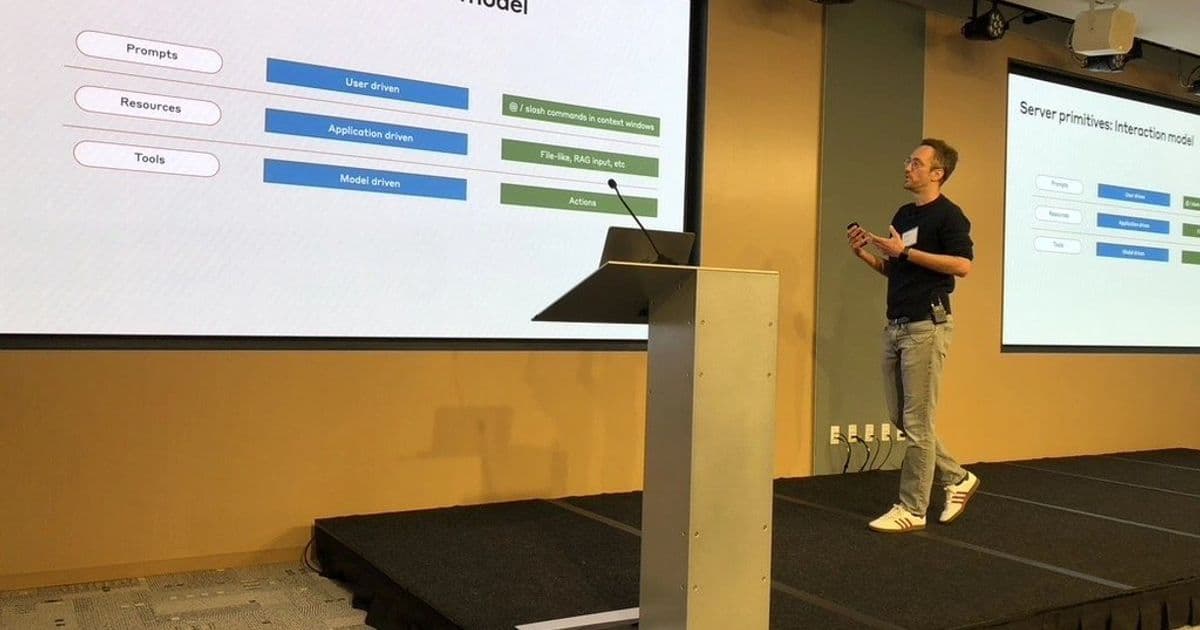
In November 2025 the Model Context Protocol (MCP) celebrated its first anniversary, unveiling a major spec update that adds task‑based workflows, streamlined authorization, and new extensions. The blog traces a year of explosive adoption—from a handful of experimental servers to thousands—driven by a vibrant community, governance structure, and real‑world use cases that have reshaped how LLMs talk to data.
Model Context Protocol Turns One
On November 25, 2025 the Model Context Protocol (MCP) marked its first anniversary. What began as a small open‑source experiment in early 2024 has, in just 12 months, become the de‑facto standard for connecting large language models (LLMs) to data, APIs, and enterprise workflows. The anniversary post not only celebrates the milestone but also announces a brand‑new MCP specification version that brings a suite of production‑ready features.
A Year of Rapid Growth
MCP’s journey from a research prototype to a widely adopted protocol is a textbook case of community‑driven evolution. The number of active MCP servers grew from a handful of experimental deployments to thousands within a year, and the MCP Registry now lists close to 2,000 entries—an increase of 407 % since its September launch.
"In just one year, MCP has evolved from an experiment to a widely adopted industry standard, highlighting the impact of open collaboration—something we deeply believe in at GitHub." – Mario Rodriguez, CPO, GitHub
The protocol’s reach is now global: Notion, Stripe, GitHub, Hugging Face, Postman, and even Blender have built MCP servers to expose their data and tooling to LLMs. The registry acts as a central index, making discovery and integration straightforward.

Community & Governance
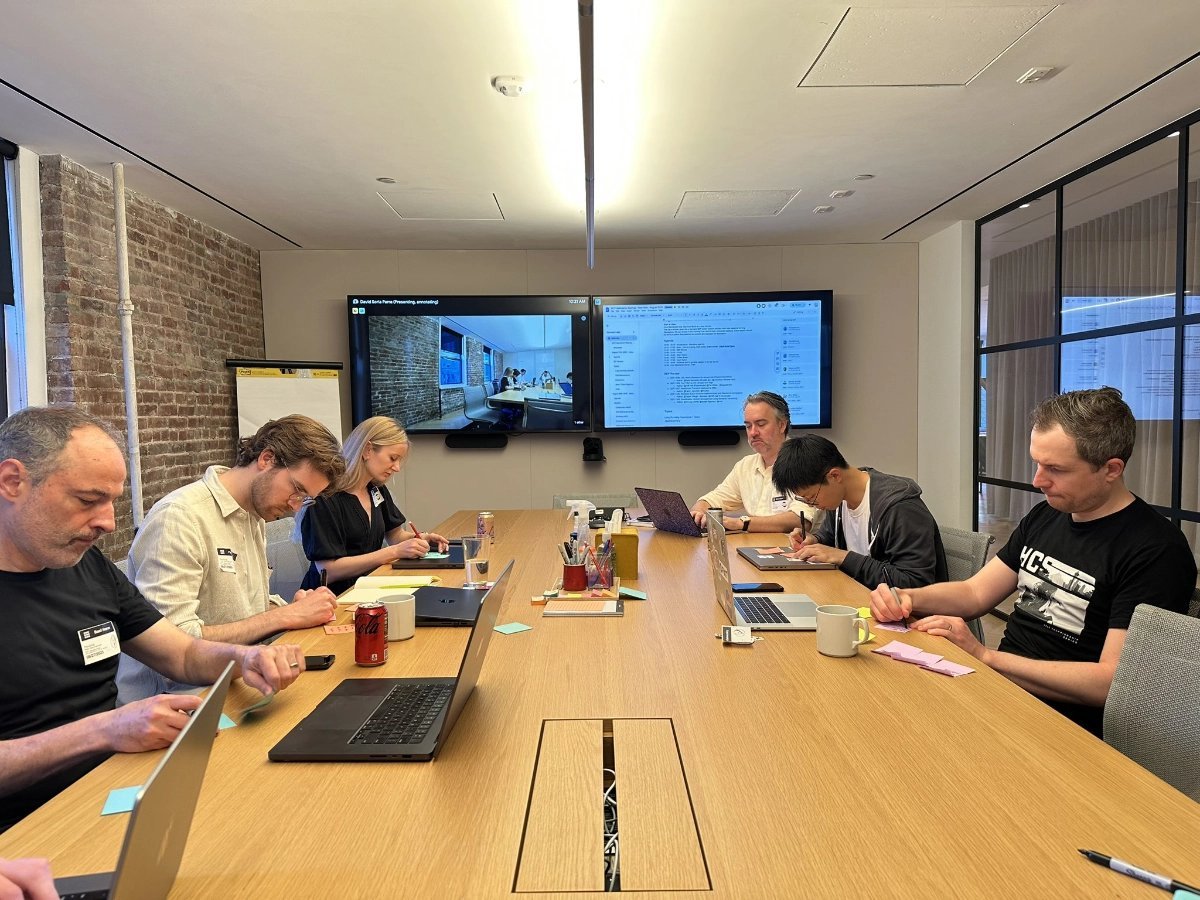
MCP’s success is inseparable from its community. Contributors range from hobbyists to enterprise architects, and the protocol’s governance model—built around maintainers, working groups, and the SEP‑1302 working‑group framework—has kept the spec agile while ensuring backward compatibility.
"People think the value of MCP is the protocol. The value is getting people to agree and do something." – Ola Hungerford, Principal Engineer, Nordstrom
The maintainers’ collaborative approach has enabled rapid iteration: 17 SEPs were drafted in a single quarter, and the community now boasts over 2,900 active contributors on Discord.
Voices from the Ecosystem
The post includes a chorus of partners who have integrated MCP into their products:
- GitHub: "Developers across our community, customers and own teams are using our GitHub MCP Server, Registry, and enterprise controls..."
- OpenAI: "OpenAI has been contributing to the MCP ecosystem since early on, and it’s now a key part of how we build at OpenAI..."
- Block: "MCP has become the natural language for AI integration—connecting everything from model discovery to inference APIs..."
- Microsoft: "Having an open source protocol that unlocks real interoperability has made agents truly useful..."
- Hugging Face: "The community has created thousands of MCP applications with Gradio and our HF‑MCP server..."
- Okta: "By formally incorporating Cross App Access as an MCP authorization extension, organizations can have the necessary oversight and access control..."
- AWS: "We have built MCP into offerings like Amazon Bedrock, Kiro, Strands, AgentCore and Amazon Quick Suite..."
- Google Cloud: "MCP has proven to be a critical standard that connects models to data and applications..."
- Obot AI: "A standard, open protocol for connecting AI with apps, data, and systems is the biggest shift since LLMs..."
These testimonials underscore the protocol’s versatility across industries.

The November 2025 Spec Release
The new specification version introduces several high‑impact features, many of which were driven by production use cases.
Task‑Based Workflows (SEP‑1686)
Tasks give MCP clients a way to track long‑running server operations. A client can attach a task ID to a request, poll for status, and retrieve results once the task completes. States include working, input_required, completed, failed, and cancelled.
Typical use cases:
- Healthcare data pipelines that process millions of records
- Enterprise automation with multi‑step workflows
- Code migration tools running for hours
- Test suites that stream logs from long‑running executions
- Multi‑agent systems coordinating concurrently
The feature is experimental, but it’s already being battle‑tested by developers.
Simplified Authorization Flows (SEP‑991)
Dynamic Client Registration (DCR) had been a pain point because MCP servers need to support an unbounded number of clients. The new URL‑based client registration leverages OAuth Client ID Metadata Documents, allowing a client to expose a JSON document that describes its properties. This eliminates the need for a manual OAuth proxy or pre‑registration with every Authorization Server.
Security & Enterprise Enhancements
- SEP‑1024: Client security requirements for local server installation
- SEP‑835: Default scopes definition in the authorization specification
- Enterprise IdP policy controls (SEP‑990): Enables single‑sign‑on across multiple MCP servers via Cross App Access
- OAuth client credentials (SEP‑1046): Machine‑to‑machine authorization
These updates address real‑world security concerns, especially for mission‑critical workloads.
Extensions & Authorization Extensions
MCP introduces a flexible extensions model that allows developers to experiment with new capabilities without bloating the core spec. Authorization extensions build on this model to add flows like OAuth client credentials and enterprise policy controls.
URL Mode Elicitation (SEP‑1036)
Collecting API keys or tokens securely is now possible by redirecting users to a browser‑based OAuth flow. The server obtains credentials directly, keeping them out of the MCP client’s memory. This is essential for PCI‑compliant payment processing and secure third‑party integrations.
Sampling with Tools (SEP‑1577)
MCP servers can now include tool definitions in sampling requests, enabling server‑side agent loops, parallel tool calls, and sophisticated multi‑step reasoning—all without custom orchestration code.
Developer Experience Improvements
- SEP‑986: Standardized format for tool names
- SEP‑1319: Decoupled request payload from RPC methods
- SEP‑1699: SSE polling via server‑side disconnect for better connection management
- SEP‑1309: Improved specification version management for SDKs
These refinements make the protocol easier to adopt and maintain.
Looking Ahead
The MCP team signals that this release is backward compatible, so existing deployments remain functional while new features can be adopted incrementally. Future work will focus on reliability, observability, and advanced server composition patterns.
"The next year of MCP will be shaped by more production deployments, more real‑world feedback, amplified by the creativity of thousands of developers worldwide." – MCP maintainers
The protocol is poised to become the backbone of agentic AI—enabling multi‑agent systems, enterprise‑grade security, and new architectural patterns that treat LLMs as first‑class citizens in software stacks.
Getting Started
- Read the Changelog to see all major changes.
- Explore the MCP documentation for implementation details.
- Join the GitHub repo or Discord community to contribute or ask questions.
Bottom Line
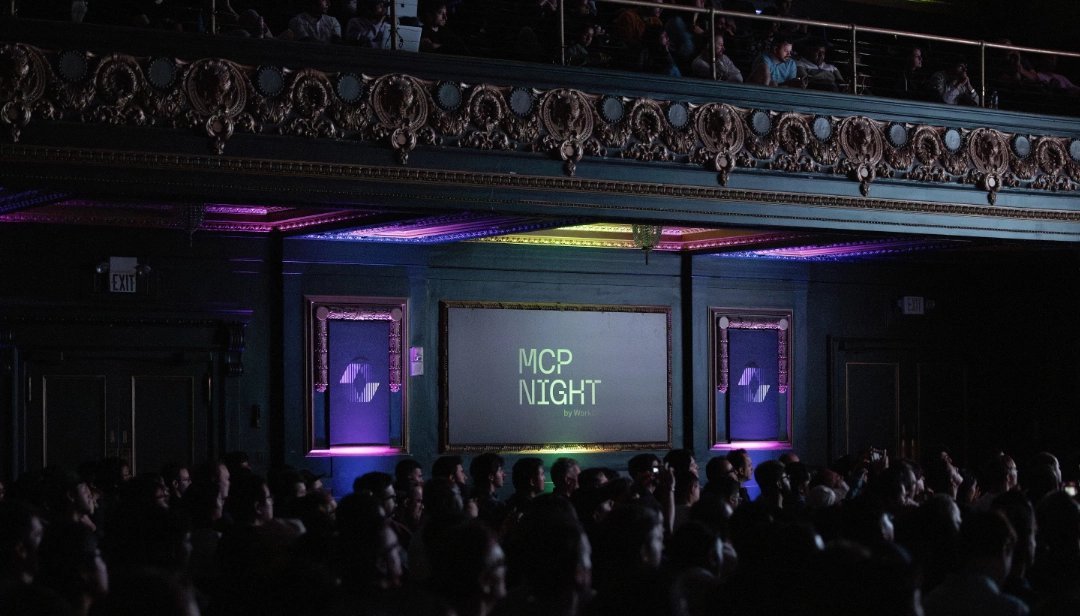
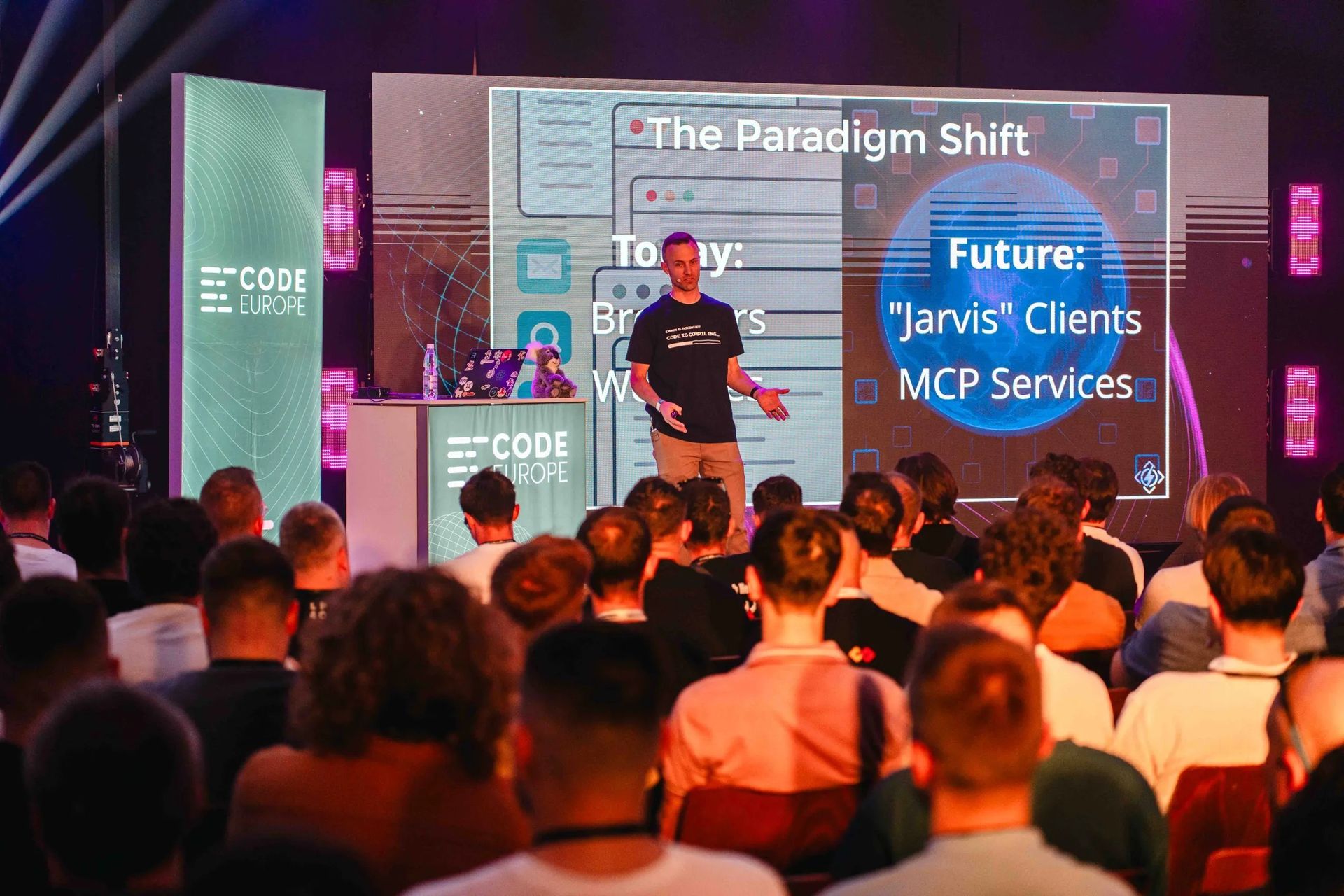
MCP’s first anniversary is more than a milestone; it’s a testament to what an open, community‑driven protocol can achieve in a year. With a robust governance model, a growing ecosystem of servers, and a spec that now supports production‑grade workflows, MCP is set to become the lingua franca of LLM‑driven applications.
Comments
Please log in or register to join the discussion