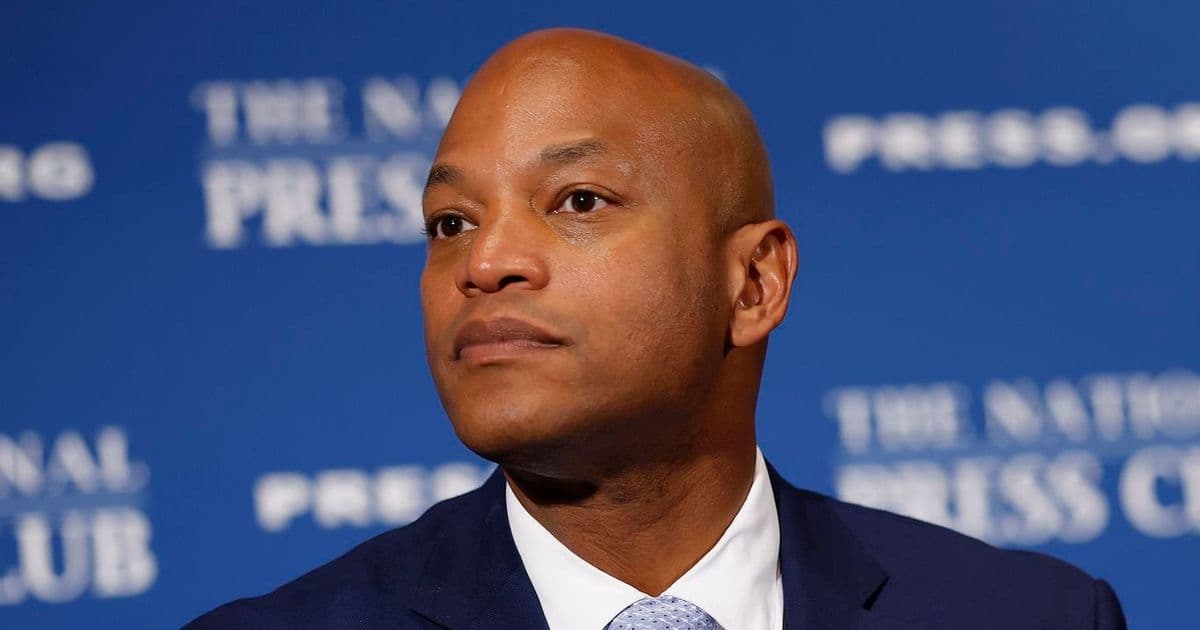
Maryland Governor Wes Moore's political battles in his home state are creating obstacles for his potential 2028 presidential ambitions, as internal conflicts and policy disputes threaten to derail his national profile.
Maryland Governor Wes Moore is facing a series of political challenges that could significantly impact his prospects for a 2028 presidential run. The rising Democratic star, who was elected in 2022 as the state's first Black governor, has found himself embroiled in bitter fights with state lawmakers and party factions that are threatening to undermine his national ambitions.
Internal Party Conflicts
The most significant challenge Moore faces is a growing rift within the Maryland Democratic Party. While he entered office with strong support from progressives and establishment Democrats alike, recent policy disagreements have exposed deep divisions. The governor's push for moderate reforms in areas like education funding and economic development has drawn criticism from the party's left wing, who view his approach as too centrist.
Moore's education reform package, which includes controversial changes to teacher tenure and school funding formulas, has become a flashpoint. Progressive lawmakers argue the reforms don't go far enough in addressing systemic inequities, while moderate Democrats worry about the political costs of alienating teachers' unions.
Legislative Gridlock
Compounding Moore's challenges is a state legislature that has become increasingly resistant to his agenda. The Maryland General Assembly, which had initially shown willingness to work with the new governor, has recently stalled several key initiatives. This legislative gridlock has forced Moore to expend significant political capital on state-level battles, leaving less energy for national profile-building.
The governor's economic development proposals, particularly those aimed at attracting tech companies to Baltimore and other urban centers, have faced unexpected opposition from rural lawmakers concerned about resource allocation. This geographic divide within the party threatens to limit Moore's ability to build the broad coalition necessary for a successful presidential campaign.
National Implications
For Moore, who many Democrats see as a potential bridge-builder between the party's progressive and moderate wings, these state-level conflicts present a significant problem. Presidential campaigns require candidates to demonstrate both governing competence and the ability to unite diverse constituencies - qualities that Moore's current struggles call into question.
Political analysts note that governors who aspire to the presidency typically use their statehouses as laboratories for national policy ideas. Moore's difficulty in advancing his agenda in Maryland could signal to national donors and party leaders that he may struggle to replicate this model on a larger scale.
Fundraising Challenges
The internal party conflicts have also begun to affect Moore's fundraising efforts. While he raised substantial sums during his gubernatorial campaign, his ability to attract national donors for a potential presidential bid may be hampered by perceptions of political weakness at home. Several major Democratic donors have reportedly expressed concern about Moore's ability to navigate the complex dynamics of state politics.
Path Forward
Despite these challenges, Moore's team remains optimistic about his long-term prospects. They point to his strong communication skills, compelling personal story, and ability to connect with voters across demographic lines. The governor has also maintained relatively high approval ratings among Maryland voters, suggesting that his policy battles haven't yet translated into broad public dissatisfaction.
However, political strategists note that Moore will need to resolve his state-level conflicts quickly if he hopes to position himself as a viable 2028 contender. This may require difficult choices about which battles to fight and which compromises to make, potentially alienating some supporters while winning over others.
Historical Context
Moore's situation reflects a broader pattern in American politics, where governors with presidential ambitions often find their home state challenges magnified on the national stage. Recent examples include former Virginia Governor Terry McAuliffe's failed 2021 comeback bid and former New Jersey Governor Chris Christie's struggles during his 2016 presidential campaign.
The timing of Moore's challenges is particularly problematic, as the 2028 Democratic primary field is expected to be crowded with high-profile candidates. Senators, cabinet members, and other governors will all be vying for attention and resources, making it crucial for Moore to demonstrate clear momentum and political strength.
Looking Ahead
As Moore navigates these turbulent waters, his ability to resolve internal party conflicts while maintaining his policy priorities will be closely watched by Democratic power brokers. The next year will be critical in determining whether he can transform his current challenges into opportunities for growth and leadership demonstration.
For now, Moore's 2028 hopes remain alive but increasingly complicated by the very political dynamics that initially made him an attractive national figure. How he manages these state-level battles may ultimately determine whether he becomes a serious presidential contender or remains primarily a significant figure in Maryland politics.
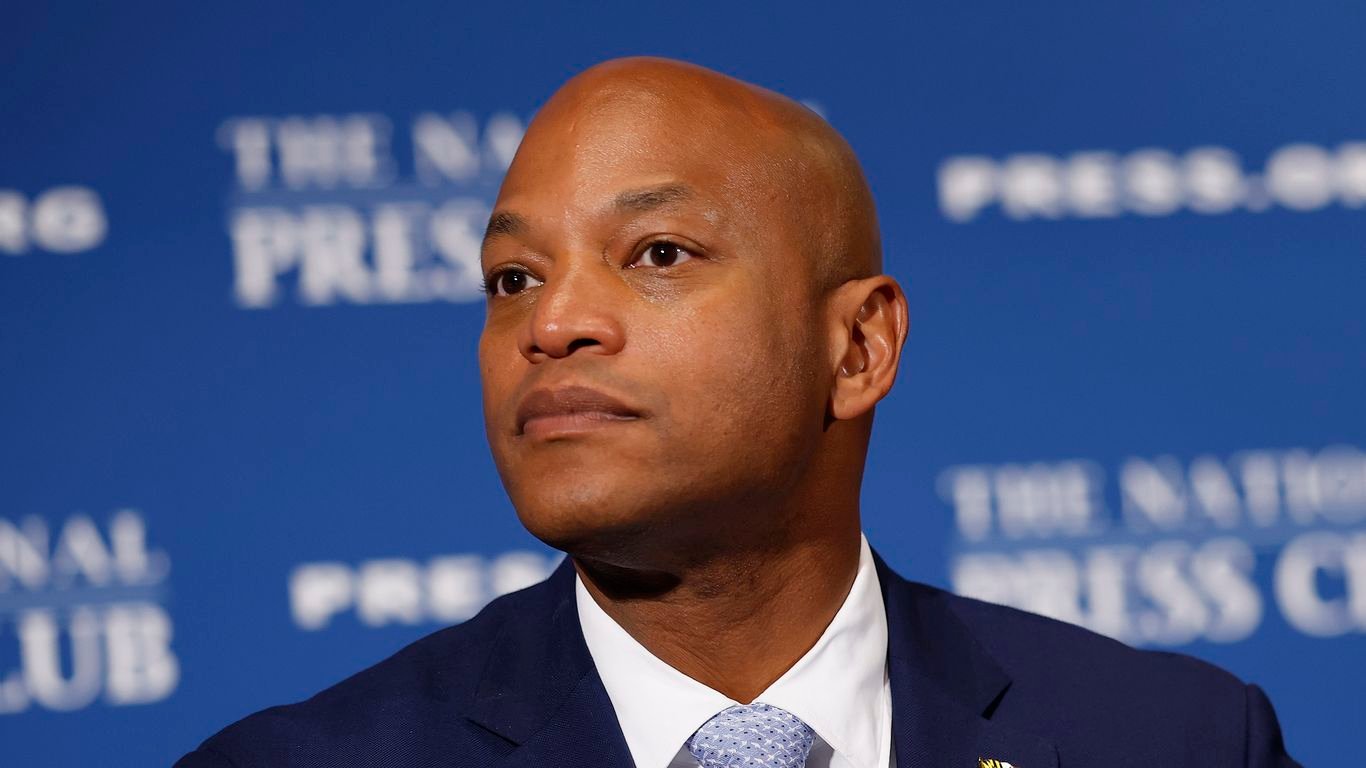
The political landscape in Maryland continues to evolve, and Moore's response to these challenges will likely shape not only his political future but also the direction of the Democratic Party in a crucial swing state. As the 2028 race begins to take shape, all eyes will be on how this rising star handles his current difficulties and whether he can emerge stronger from them.
Comments
Please log in or register to join the discussion