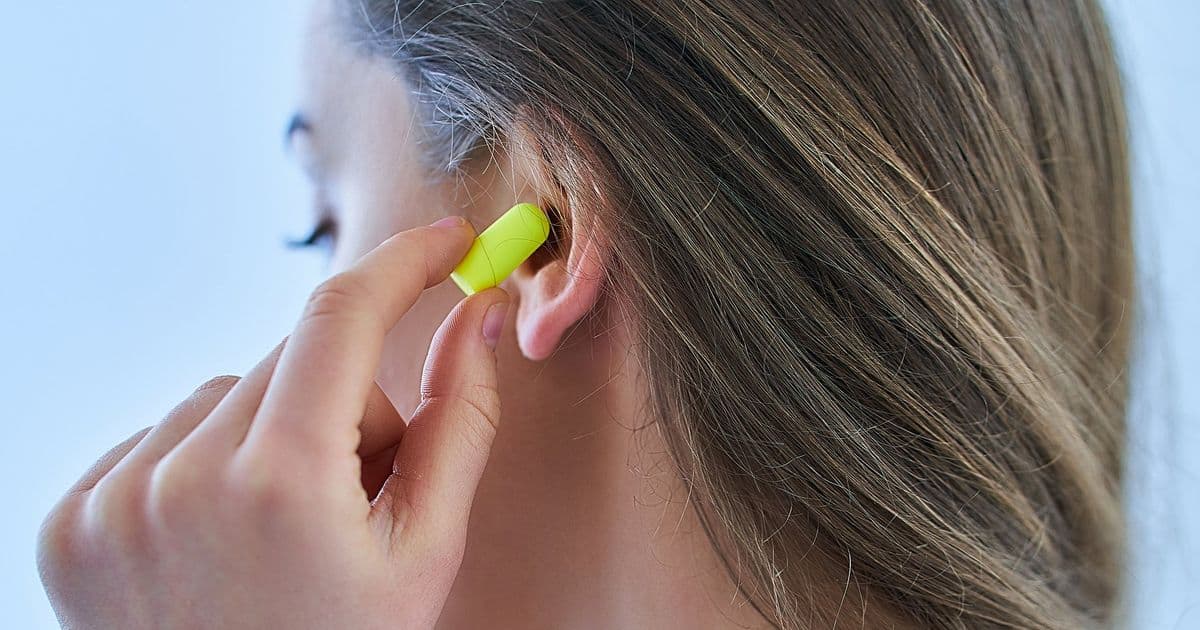
New research challenges a $1B sleep tech industry by revealing pink noise reduces restorative REM sleep, while simple earplugs prove more effective against noise disruption.
For years, sleep apps and sound machines promising restful nights have flooded the market, with giants like Spotify and YouTube logging millions of daily listening hours for ambient noise tracks. But a rigorous new study from the University of Pennsylvania Perelman School of Medicine delivers a wake-up call: these popular tools may actively harm sleep quality. Published in the journal Sleep, the research reveals that pink noise—a common feature in sleep apps and devices—significantly reduces REM sleep, while basic earplugs outperform high-tech solutions in blocking disruptive environmental sounds.
The study placed 25 healthy adults in a controlled sleep lab across seven nights, testing four conditions: aircraft noise alone, pink noise alone, combined aircraft and pink noise, and aircraft noise with earplugs. Pink noise, often likened to moderate rainfall and emitted at 50 decibels, reduced REM sleep by nearly 19 minutes per night. REM sleep is critical for memory consolidation, emotional regulation, and brain development—especially in children, who spend more time in this stage than adults. When pink noise was paired with aircraft noise, both deep sleep and REM sleep suffered, with participants also experiencing 15 extra minutes of wakefulness.
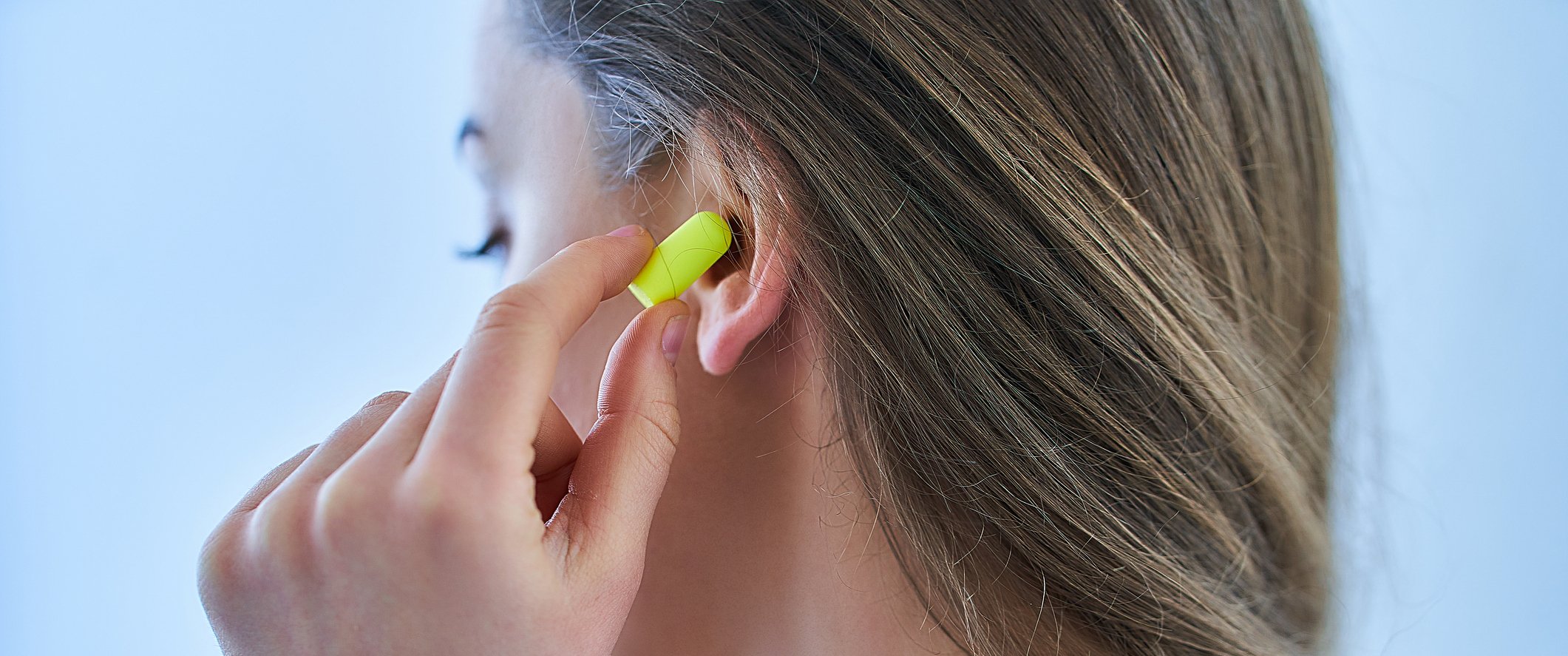
In stark contrast, earplugs effectively shielded deep sleep from aircraft noise disruption. Participants consistently reported better sleep quality and fewer awakenings when using earplugs compared to nights with pink noise exposure. These findings directly challenge the positioning of ambient noise as a sleep aid, given that 16% of Americans already use earplugs for sleep, according to the study.
The implications ripple through a sleep tech industry valued at over $1 billion. Top sleep apps like Calm and Headspace feature pink and white noise tracks, while dedicated sound machines target parents of infants—despite children being particularly vulnerable to REM disruption. With Spotify reporting 3 million daily hours of white noise listening and YouTube's top five white noise videos amassing 700 million views, the study exposes a gap between consumer habits and scientific evidence. As lead researcher Mathias Basner noted, 'Our results caution against broadband noise use, especially for newborns and toddlers.'
This research, funded by the U.S. Federal Aviation Administration, signals opportunity for innovators. Startups focusing on passive noise-blocking solutions—or rethinking sound-based sleep technology with safer frequency profiles—could disrupt incumbents. For investors, it highlights due diligence gaps in wellness tech: many noise-generating products scaled rapidly despite limited research on long-term effects. As sleep science evolves, the simplest solution may prove the most disruptive: a pair of earplugs costing pennies to manufacture.
Comments
Please log in or register to join the discussion