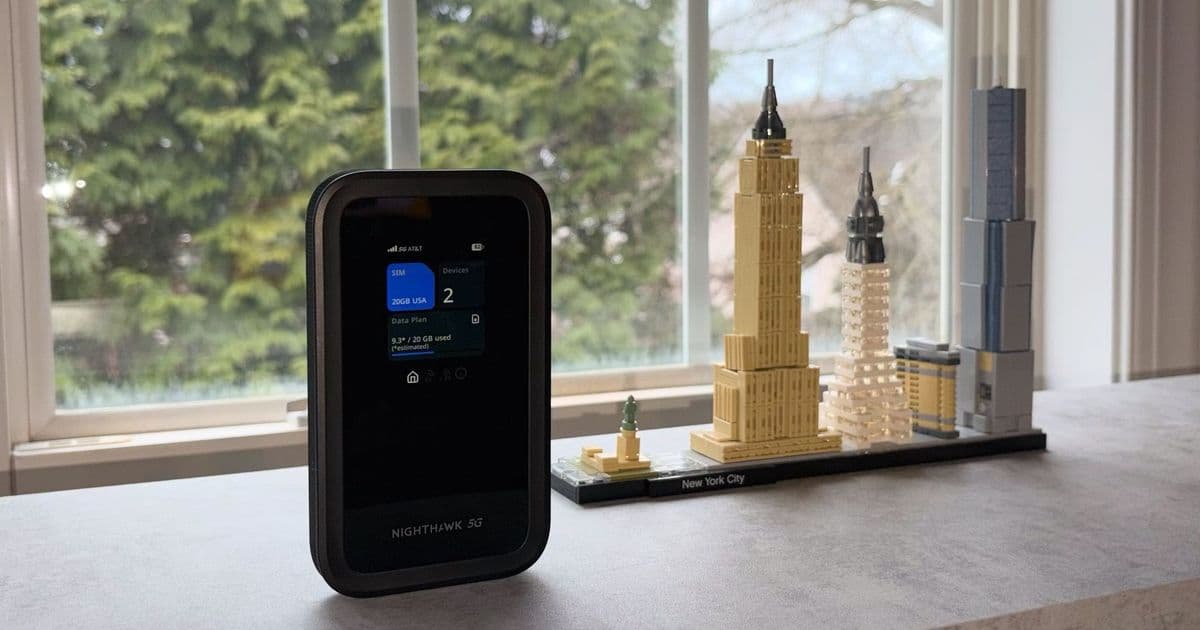
Netgear's $499 Nighthawk M7 5G mobile hotspot combines Qualcomm's SDX72 chipset with Wi-Fi 7 connectivity and a proprietary eSIM marketplace, enabling global data access for up to 32 devices.
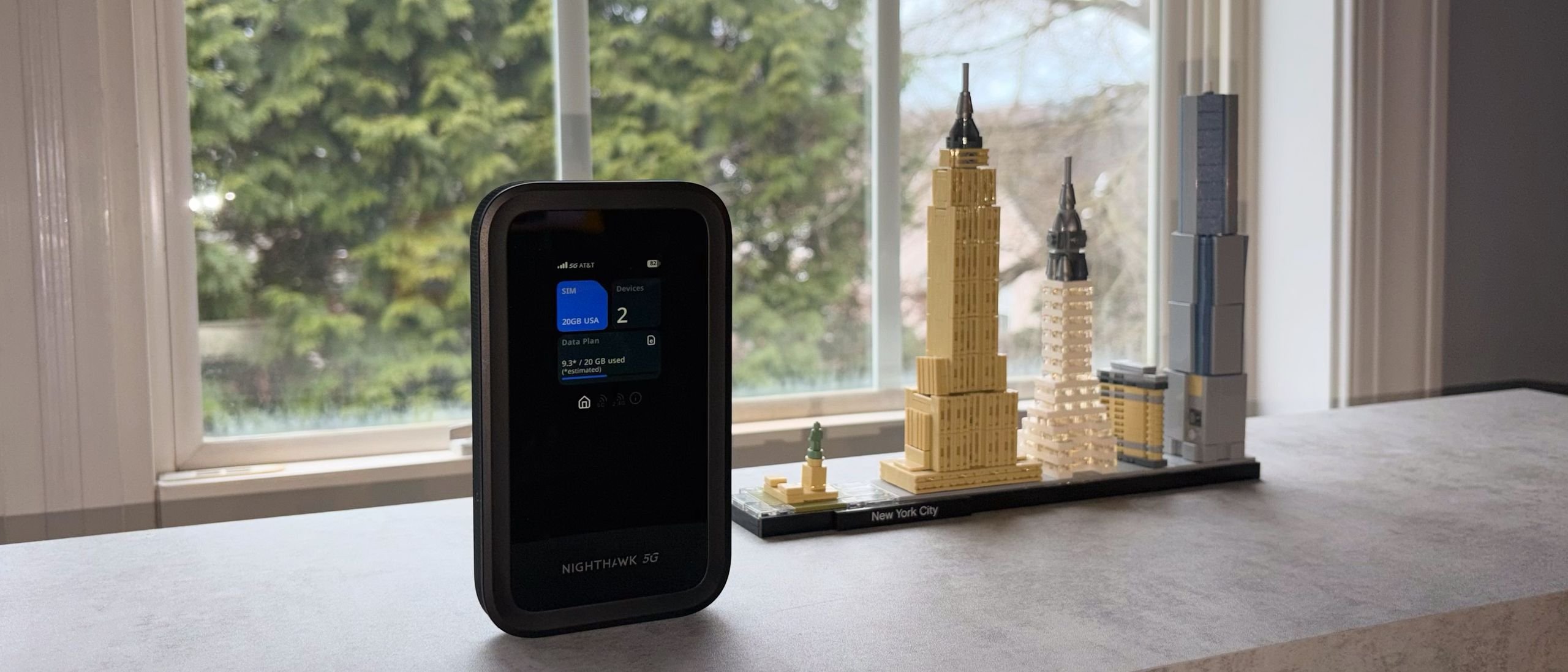
Netgear has launched the Nighthawk M7 5G Wi-Fi 7 mobile hotspot, positioning it as a premium solution for international travelers and multi-device users. At $499, the device leverages Qualcomm's SDX72 system-on-chip to deliver sub-6GHz 5G and CAT20 LTE connectivity alongside Wi-Fi 7 capabilities, distinguishing itself through Netgear's integrated eSIM marketplace that simplifies global data procurement.
Technical Architecture and Design
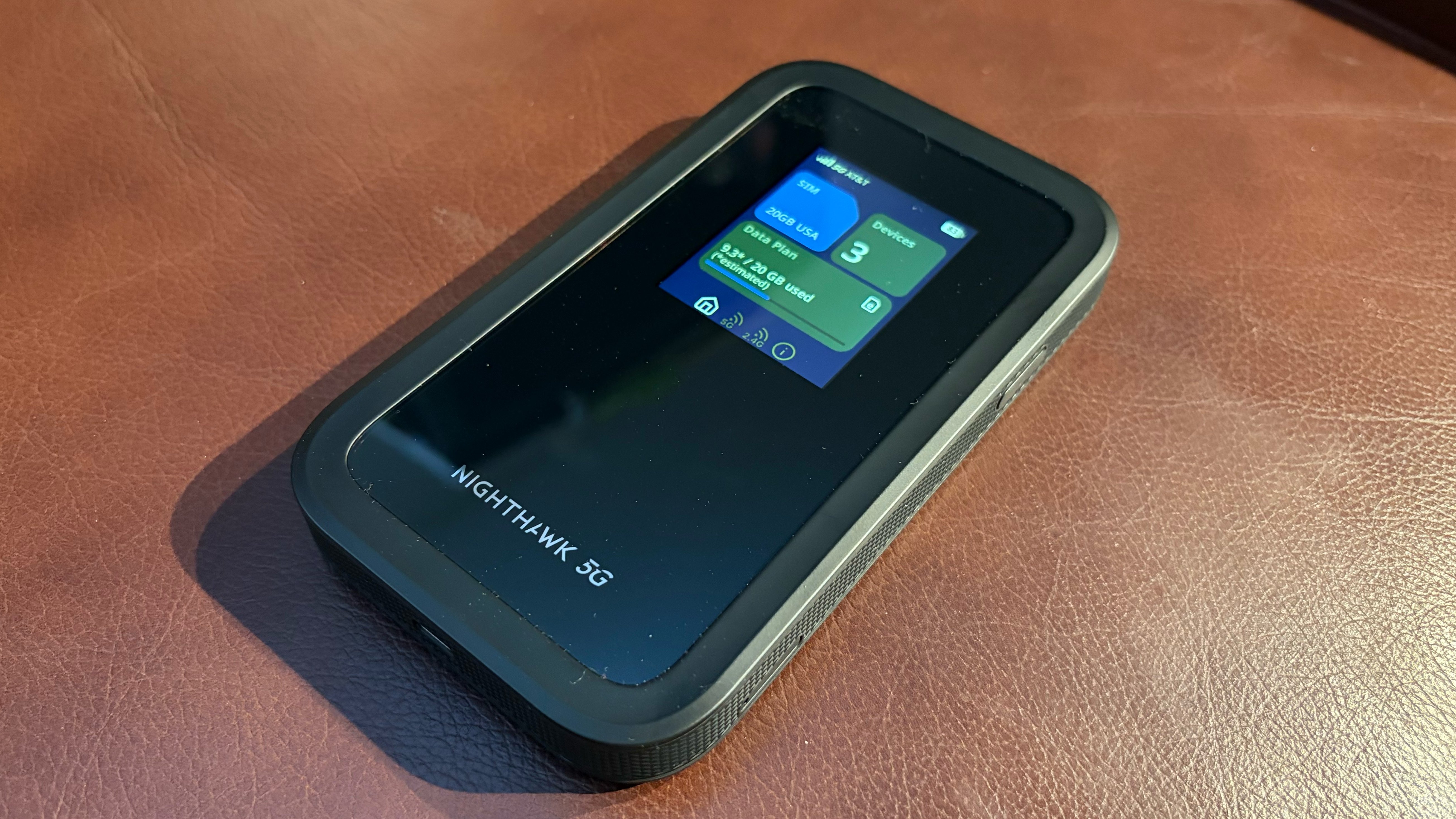
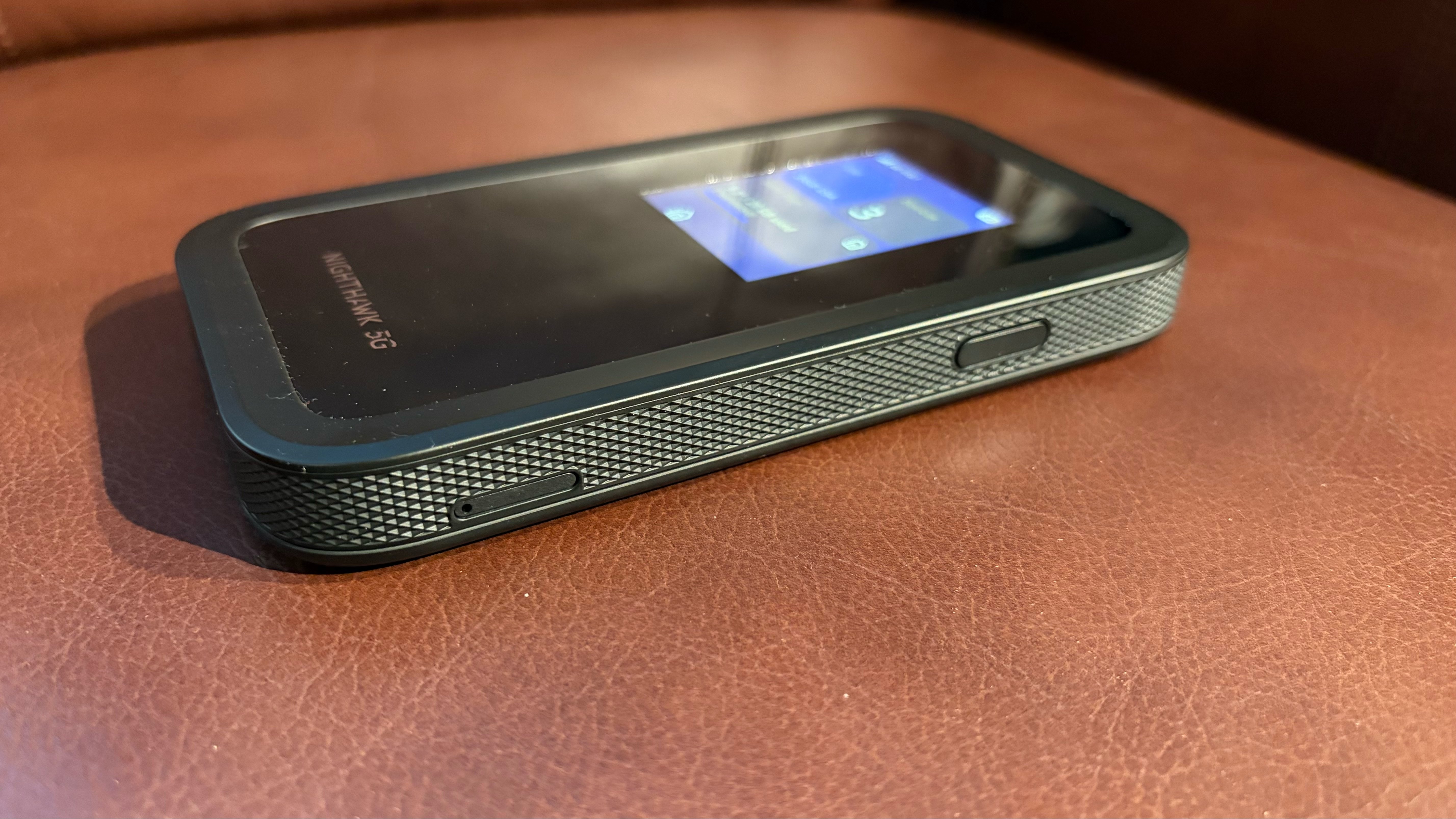
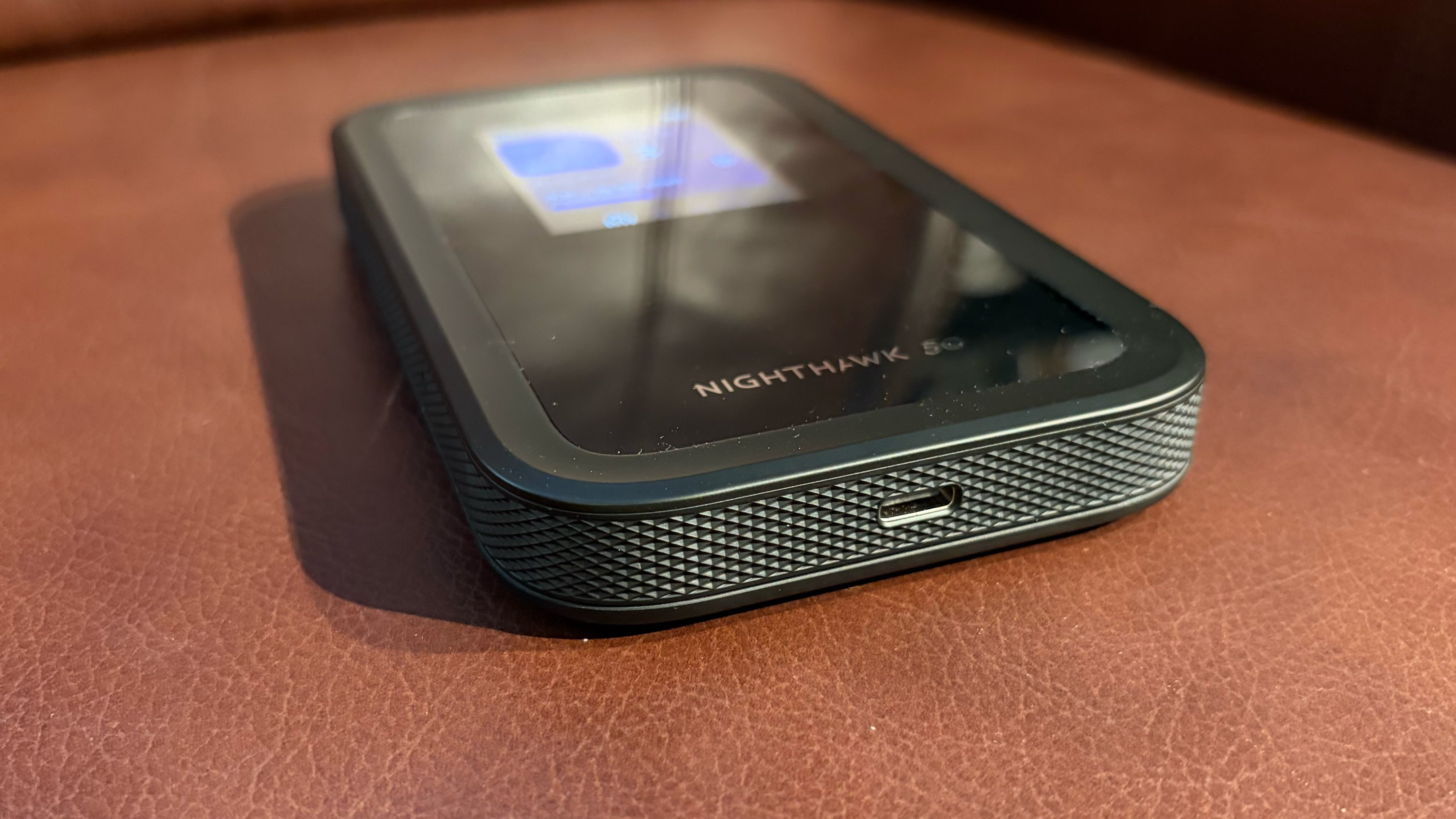
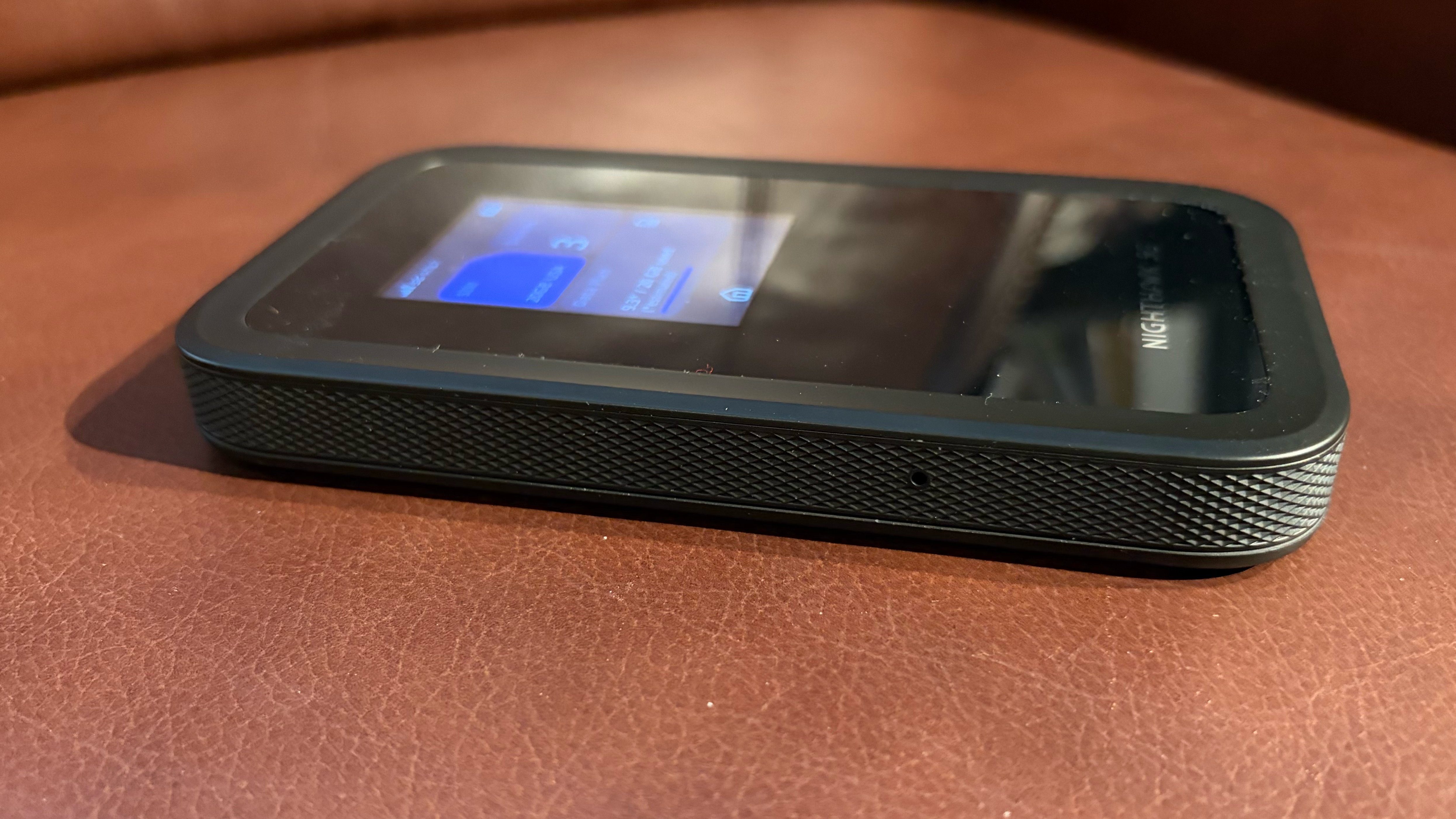
The SDX72 chipset forms the foundation of the M7's connectivity, manufactured using Qualcomm's 6nm process node. This architecture enables dual-band Wi-Fi 7 support with theoretical maximums of 2,900 Mbps on 5GHz and 700 Mbps on 2.4GHz bands. The compact device (5.71 x 3.29 x 0.67 inches, 240g) incorporates a 3,850mAh battery supporting up to 10 hours of continuous operation. Physical interfaces include a USB-C port for charging/data transfer, nano-SIM slot, and compatibility with third-party Ethernet adapters via USB-C, eliminating vendor lock-in for wired connectivity.
eSIM Marketplace Mechanics
Netgear's proprietary eSIM marketplace enables region-specific data purchases directly through the companion iOS/Android app. Users select from six global regions covering 45+ countries, with U.S. pricing at $10/3GB (7-day validity) to $40/20GB (30-day validity). European plans range from $11/3GB to $44/20GB. This system bypasses traditional carrier restrictions by allowing simultaneous connections to 32 devices – significantly exceeding smartphone hotspot limitations that typically cap at 5-10 connections with reduced speeds.
Performance Benchmarks
In controlled tests using Speedtest:
- Wi-Fi 7 connection: Average 182 Mbps download / 45.5 Mbps upload
- USB-C direct connection: Average 242 Mbps download / 53.25 Mbps upload
These results remained consistent across Wi-Fi 7 devices including MacBook Air, HP OmniBook X, and Windows systems. The SDX72 chipset maintained stable connections during concurrent usage scenarios simulating family travel, with Wi-Fi offload functionality enabling secure public Wi-Fi sharing.
Market Position and Alternatives
The M7 competes directly with TP-Link's M8550 ($499 MSRP) which offers tri-band Wi-Fi 6E but lacks eSIM support. Netgear's marketplace integration creates significant cost advantages: A family of four traveling to Europe would require approximately $44 for 20GB shared data versus $100+ for individual eSIMs with connection limitations. While the premium pricing may deter casual users, the solution presents tangible ROI for frequent international travelers through hardware consolidation and data plan flexibility.
Supply Chain Context
Qualcomm's SDX series chipsets dominate the mobile hotspot sector due to their integrated 5G modems and power efficiency. The M7's use of the SDX72 reflects ongoing industry consolidation around Qualcomm's platform in premium devices, though MediaTek's T830 remains competitive in mid-tier products. Netgear's eSIM marketplace leverages partnerships with regional carriers, creating an asset-light distribution model that bypasses physical SIM logistics.
The Nighthawk M7 establishes a new benchmark for mobile hotspots by combining emerging Wi-Fi 7 standards with globally scalable connectivity. Its success will hinge on whether travelers value the convenience premium over lower-cost alternatives requiring manual eSIM management per device.
Comments
Please log in or register to join the discussion