Federal Reserve officials signaled continued concern about inflation, with most indicating they would support additional interest rate increases if price pressures persist, according to the latest meeting minutes released Wednesday.
Federal Reserve officials signaled continued concern about inflation, with most indicating they would support additional interest rate increases if price pressures persist, according to the latest meeting minutes released Wednesday. The minutes from the Fed's April 30-May 1 meeting reveal a central bank grappling with inflation that remains above its 2% target despite aggressive monetary tightening over the past two years.
The minutes noted that "many participants" expressed readiness to tighten monetary policy further if incoming data showed insufficient progress toward inflation goals. This hawkish stance comes as inflation has shown unexpected resilience, with the personal consumption expenditures price index, the Fed's preferred inflation gauge, rising 2.7% in March from a year earlier, above the central bank's 2% target.
Market reaction to the minutes was immediate, with the CME FedWatch tool showing increased odds of another rate hike by the end of 2023. Treasury yields rose across the curve, with the 10-year yield climbing to 4.65% as investors recalibrated expectations for monetary policy. The S&P 500 fell 0.8% as investors weighed the implications of potentially tighter financial conditions.
"The Fed's message is clear: they're not done fighting inflation," said Michael Feroli, chief U.S. economist at JPMorgan Chase. "The minutes show officials are data-dependent but prepared to act if inflation doesn't continue its gradual decline."
Economic data since the meeting has offered mixed signals. While March inflation came in hotter than expected, April employment data showed slowing job growth, with nonfarm payrolls increasing just 165,000, below expectations. This has created a challenging balancing act for policymakers who must weigh the risk of overtightening against the need to ensure inflation returns to target.
The minutes reveal officials debated the appropriate pace of balance sheet reduction, with some suggesting slowing the pace of Treasury securities runoff to better assess its impact on markets. The Fed has been allowing bonds to mature without reinvesting proceeds, reducing its balance sheet from a peak of $8.96 trillion in April 2022 to approximately $7.92 trillion as of May 15.
"The Fed is walking a tightrope," said Sarah House, senior economist at Wells Fargo. "They need to convince markets they're committed to bringing down inflation without causing unnecessary economic damage. The minutes suggest they're prepared to stay the course until inflation shows more convincing signs of cooling."
For businesses, the continued hawkish stance means higher borrowing costs are likely to persist longer than previously anticipated. Companies with variable-rate debt or those planning capital expenditures will need to factor in potentially elevated financing costs for the foreseeable future. Consumer spending, which has shown remarkable resilience despite higher rates, may face additional pressure as credit card debt reaches record levels and savings buffers continue to deplete.
The Fed's next meeting is scheduled for June 12-13, with investors closely watching incoming inflation data and speeches from Fed officials for clues about policy direction. The central bank has kept its benchmark interest rate in a range of 5.25% to 5.50% since July 2023, the highest in over two decades.
"Markets are underestimating the Fed's resolve on inflation," said Michelle Meyer, chief economist at the Mastercard Economics Institute. "The minutes reinforce that they're prepared to keep rates higher for longer if needed. This suggests a more restrictive policy stance than what markets are currently pricing in."
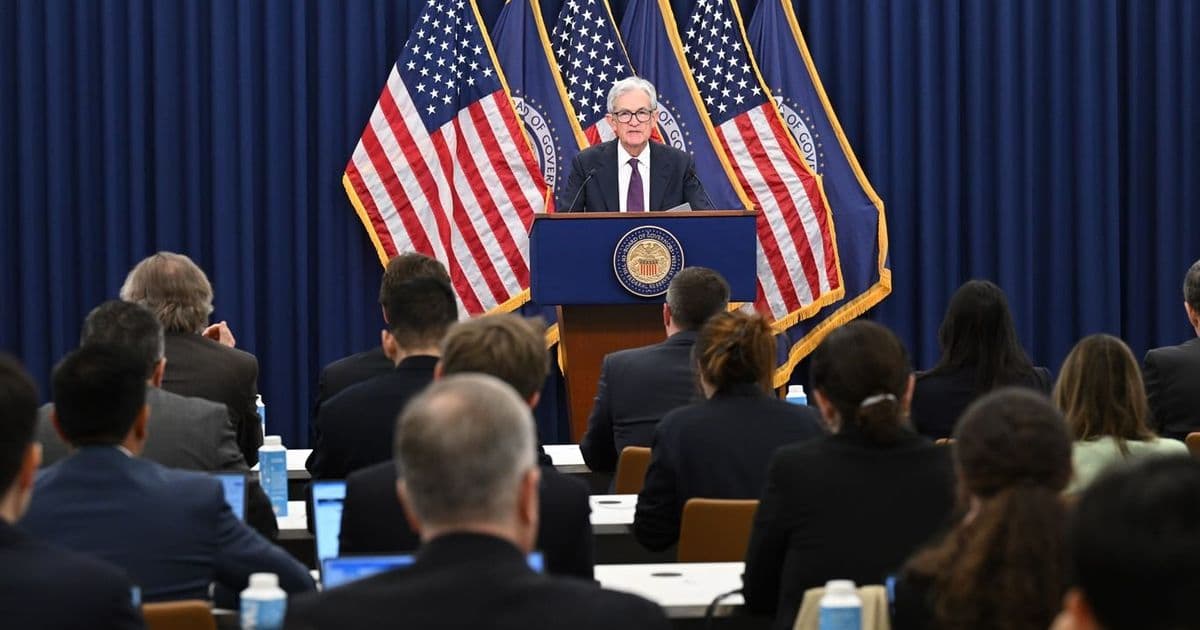
Federal Reserve Chair Jerome Powell emphasized during a post-meeting press conference on April 29 that the central bank remains data-dependent and will adjust policy as needed. "We're not confident yet that inflation is moving down sustainably," Powell stated. "We need to see more progress before we can be confident."
The minutes also revealed that officials discussed the potential risks of tightening too much versus tightening too little, with most agreeing that the greater risk was allowing inflation to become entrenched. This asymmetry in risk assessment suggests the Fed would err on the side of additional tightening if inflation proves more persistent than expected.
For investors, the hawkish minutes signal a need to reassess portfolio positioning, particularly in interest rate-sensitive sectors like real estate and utilities. The bond market, which had been anticipating rate cuts in the second half of 2023, is now recalibrating expectations, with some analysts pushing back potential easing into 2024.
The Fed's commitment to fighting inflation comes as economic growth remains surprisingly robust, with first-quarter GDP expanding at a 1.3% annualized rate, stronger than the initial estimate of 1.1%. This resilience has complicated the inflation battle, as a strong labor market and consumer spending continue to fuel price pressures.
"The economy is proving more resilient than anticipated, which gives the Fed more room to keep policy restrictive," said Neil Dutta, head of economics at Renaissance Macro Research. "The minutes reflect this reality, showing officials prepared to maintain a restrictive stance until inflation shows more convincing signs of cooling."
As the Fed continues its battle against inflation, businesses and consumers should brace for a period of higher-for-longer interest rates. The path to a soft landing remains uncertain, but the minutes suggest the Fed is committed to seeing inflation return to target before considering policy easing.
Comments
Please log in or register to join the discussion