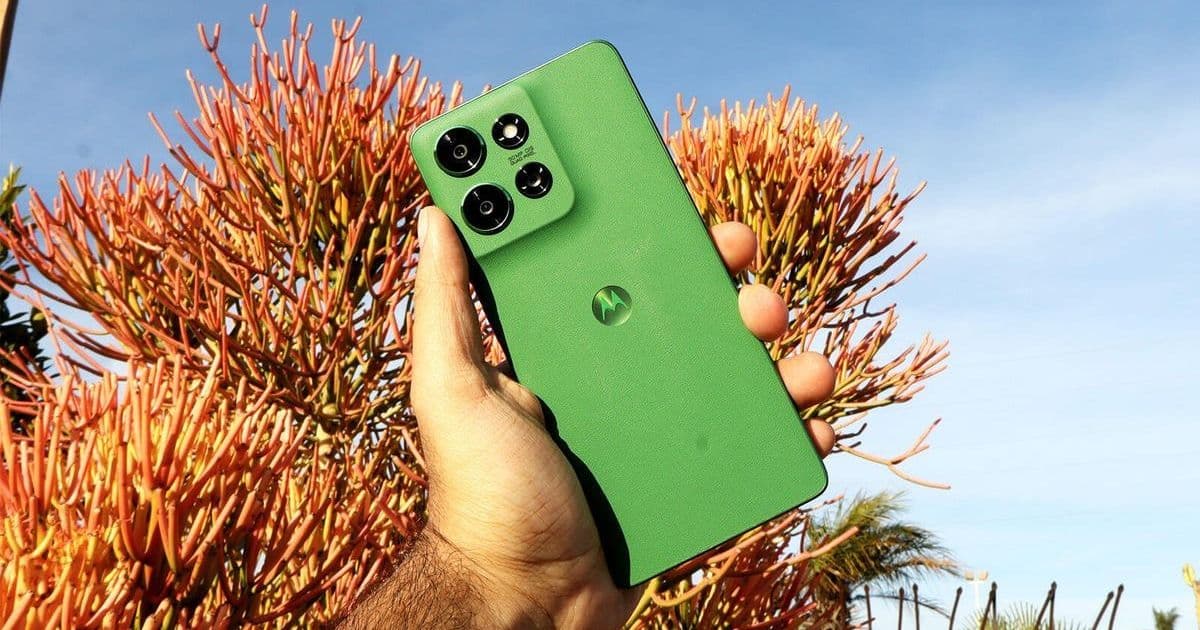
Motorola's Moto G Power (2025) offers a compelling mix of a 6.8-inch Full HD+ display, multi-day battery life, and robust cameras for just $299. However, its incremental upgrades over the base Moto G model raise questions about value, highlighting the fierce competition in the mid-range smartphone segment and what developers should consider when targeting this hardware tier.
The Mid-Range Marvel with Compromises
In a market saturated with $1,000 flagships, Motorola's Moto G Power (2025) stands out by packing premium-like features into a $299 package—but not without trade-offs. Positioned as a 'pocket-sized theater,' its 6.8-inch Full HD+ display (2,388 x 1,080 pixels) and 120Hz refresh rate deliver a genuinely immersive viewing experience, a notable step up from the base Moto G's HD+ screen. Combined with a powerful stereo sound system, it fulfills its media-consumption promise, making it ideal for developers testing streaming apps or games on budget-friendly hardware.
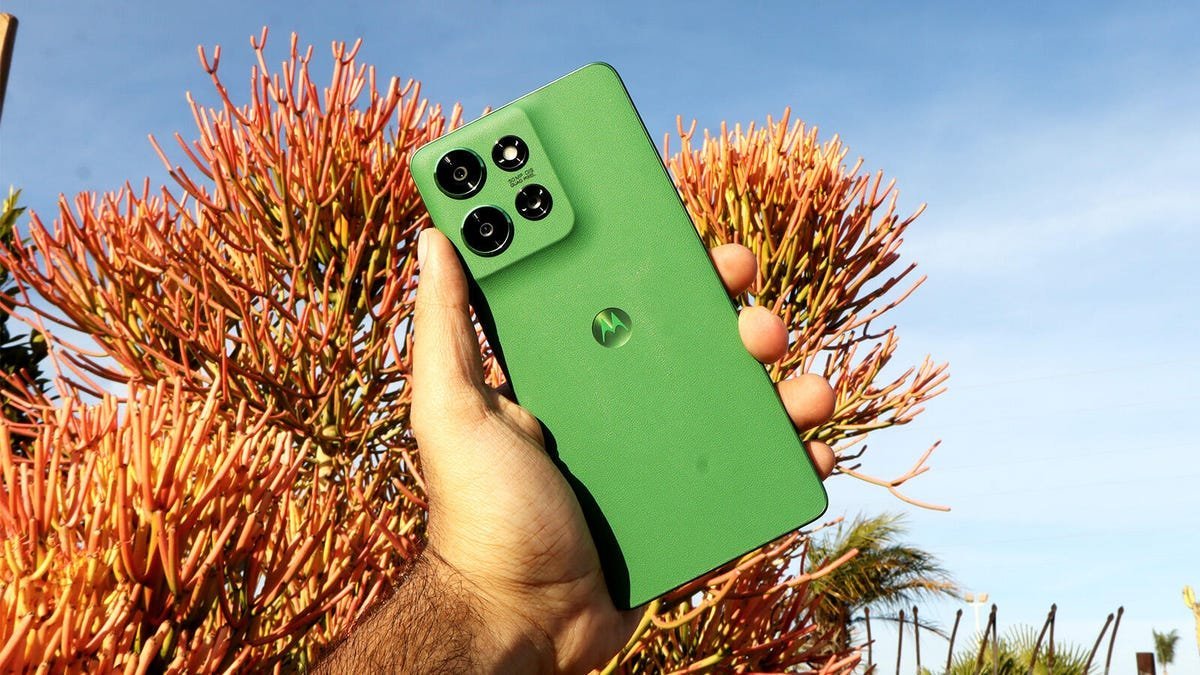 The Moto G Power (2025) boasts a vibrant Leaf Green finish and IP69-rated durability, surviving brief submersion—a boon for outdoor or travel use.
Performance and Battery: Solid but Unspectacular
Under the hood, the MediaTek Dimensity 6300 chipset and 8GB RAM (expandable to 24GB via RAM Boost) handle everyday tasks smoothly, though intensive games like Honkai Star Rail reveal limitations with occasional stuttering and graphical compromises. Battery life is a highlight, lasting up to three days on its 5,000mAh capacity—impressive, yet curiously shorter than the base Moto G's four-day endurance despite identical specs. Recharging lags too, taking over 45 minutes for a 50% top-up. For DevOps teams optimizing energy efficiency in apps, this underscores the importance of balancing performance with power constraints in mid-tier devices.
Camera Capabilities: User-Friendly with Caveats
The dual-camera setup—50MP main and 8MP ultra-wide sensors—captures vibrant, detailed shots in good light, aided by an intuitive UI that auto-suggests features like Night Vision in low-light conditions. However, this mode struggles with graininess, revealing hardware limitations. Creative filters and aspect ratio options add flexibility, but as AI-driven computational photography advances, this phone's camera remains a step behind flagship rivals. For engineers, it's a reminder that mid-range hardware still demands software optimizations to maximize potential.
The Developer and Consumer Calculus
At $300, the Moto G Power excels as an affordable media hub or travel companion, but its similarities to the $199 base Moto G make the price hike hard to justify for battery-centric users. This reflects a broader industry trend: brands are stretching to differentiate products in a crowded market, often through marginal upgrades. For tech leaders, devices like this signal where mass-market adoption is heading—budget hardware capable of handling mainstream apps, yet requiring thoughtful app design to overcome performance ceilings. If battery life is non-negotiable, the base model or Moto G Stylus might better serve users, but for those prioritizing display quality and durability, the Power variant punches above its weight.
Source: ZDNET article by Cesar Cadenas
Comments
Please log in or register to join the discussion