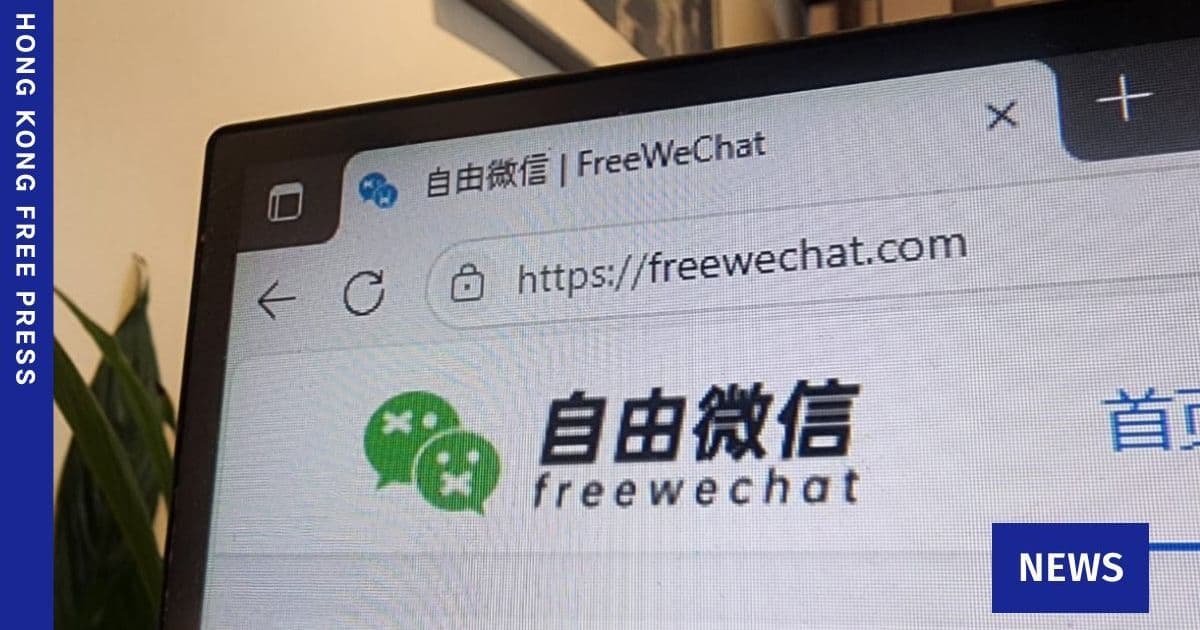
Chinese tech giant Tencent is attempting to dismantle FreeWeChat, an anti-censorship project preserving deleted content from its platform, citing trademark claims. The watchdog behind the archive vows defiance, framing it as a critical struggle for digital transparency amid China's tightening online controls. This clash underscores the growing weaponization of copyright law against public-interest tech initiatives.
Tencent Moves to Shutter FreeWeChat Archive in Escalating Censorship Battle
{{IMAGE:3}}
Anti-censorship group GreatFire has revealed that Tencent is seeking the removal of FreeWeChat.com—an archive preserving politically sensitive content deleted from the WeChat platform. The Chinese tech conglomerate's legal representative, cybersecurity firm Group-IB, filed a takedown notice on June 12 alleging trademark and copyright infringement, targeting the site's domain name and its archival of public WeChat posts.
GreatFire immediately challenged the claims as a pretext for censorship:
"They cite the use of the word ‘WeChat’ in our domain, even though FreeWeChat does not use WeChat’s logo, claim affiliation, or distribute any modified WeChat software. The claim is thin, but the intent is clear: shut down a watchdog."
The group contextualized the legal assault within China's "tightening censorship regime" and dwindling international support for digital rights work. Despite rebuttals, one hosting provider complied with the takedown—a move GreatFire called "a troubling indication of how even flimsy legal threats can silence public-interest platforms."
{{IMAGE:5}}
Technical and Legal Standoff
FreeWeChat, operational since 2016, archives public posts from official WeChat accounts that vanish due to political sensitivity. It serves over 175,000 unique users quarterly, including journalists and researchers tracking suppressed narratives. The platform operates without hosting WeChat's code or branding—relying purely on public content republishing.
Group-IB CEO Dmitry Volkov defended the complaint as routine IP enforcement under frameworks like the DMCA, stating decisions rest with service providers and that evaluations ignore a site's "content or purpose." Digital rights experts, however, see this as strategic legal intimidation against transparency tools.
Resilience Through Redundancy
GreatFire engineered redundancy into FreeWeChat's infrastructure, maintaining multiple hosting providers. While one instance fell to the takedown, the archive remains accessible via alternate infrastructure. The group is pursuing legal counsel and technical reinforcements, stating:
"We already had two hosts for this website... we hope that our hosting provider will change their decision and—if not—we will pursue legal action."
This incident highlights the fragility of public-interest tech projects facing corporate legal firepower. The reliance on centralized hosting creates single points of failure, prompting urgent discussions about decentralized archival solutions resistant to takedown pressures. For engineers and activists, FreeWeChat's survival demonstrates how technical redundancy—coupled with legal preparedness—can counter censorship overreach.
The Broader Crackdown Context
The targeting of FreeWeChat occurs amid China's escalating online controls and contracting space for digital dissent. GreatFire—known for circumventing the Great Firewall—framed this as one battle in a prolonged war:
"This isn’t our first battle, nor will it be our last... With the support of our users and allies, we will continue to shine a light on censorship, no matter how hard its corporate and state sponsors try to shut it off."
As tech giants increasingly align with state censorship apparatuses, projects like FreeWeChat become vital counterweights. Their technical architecture doesn’t just preserve deleted posts—it preserves accountability in digital spaces where power seeks invisibility. The coming weeks will test whether legal maneuvering can dismantle infrastructure built precisely to withstand such pressure, or if distributed resilience can outmatch centralized authority.
Source: Hong Kong Free Press
Comments
Please log in or register to join the discussion