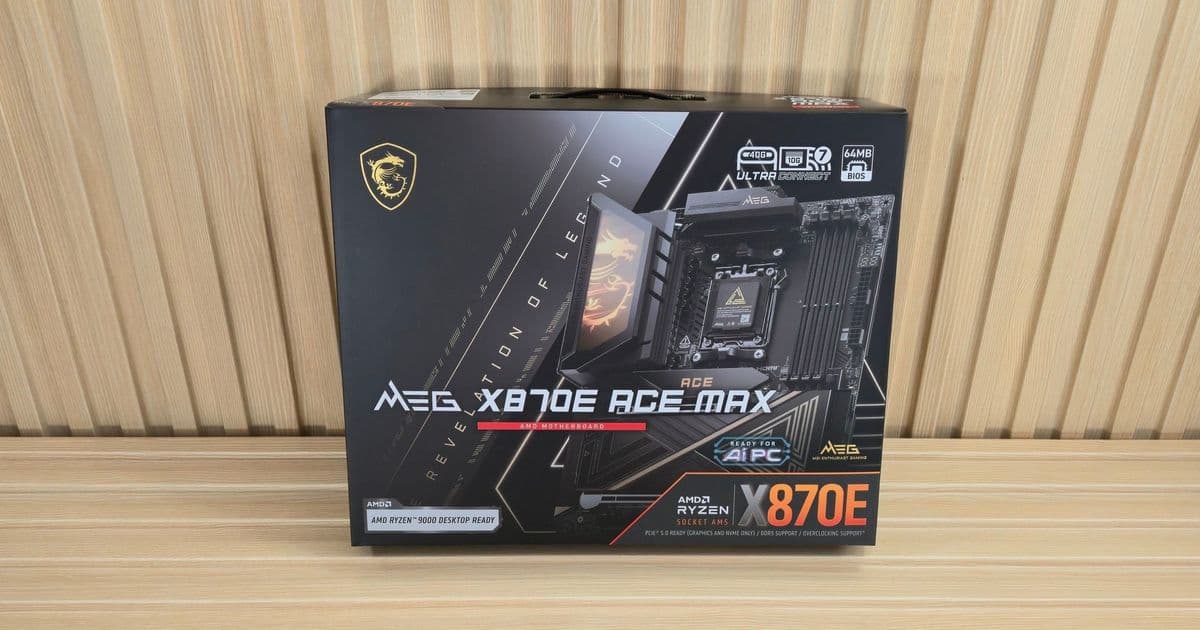
MSI's X870E MEG Ace Max delivers premium features and performance at $649.99, but PCIe lane sharing and rear M.2 placement create some compromises.
MSI continues to expand its premium motherboard lineup with the X870E MEG Ace Max, a $649.99 offering that sits in the sweet spot between enthusiast-grade and mid-range pricing. Building on the success of its X670E predecessor, this AM5 platform board delivers flagship-class features with a few notable trade-offs that potential buyers should understand.
Premium Features, Premium Price
At $649.99 (discounted from an original $699.99 MSRP), the Ace Max positions itself as a premium mid-range option in the X870E ecosystem. The board justifies its price tag through an impressive feature set that includes five M.2 sockets (two PCIe 5.0), 13 USB ports on the rear I/O, flagship-class audio with integrated AMP/DAC, and comprehensive EZ DIY features for easier building and installation.
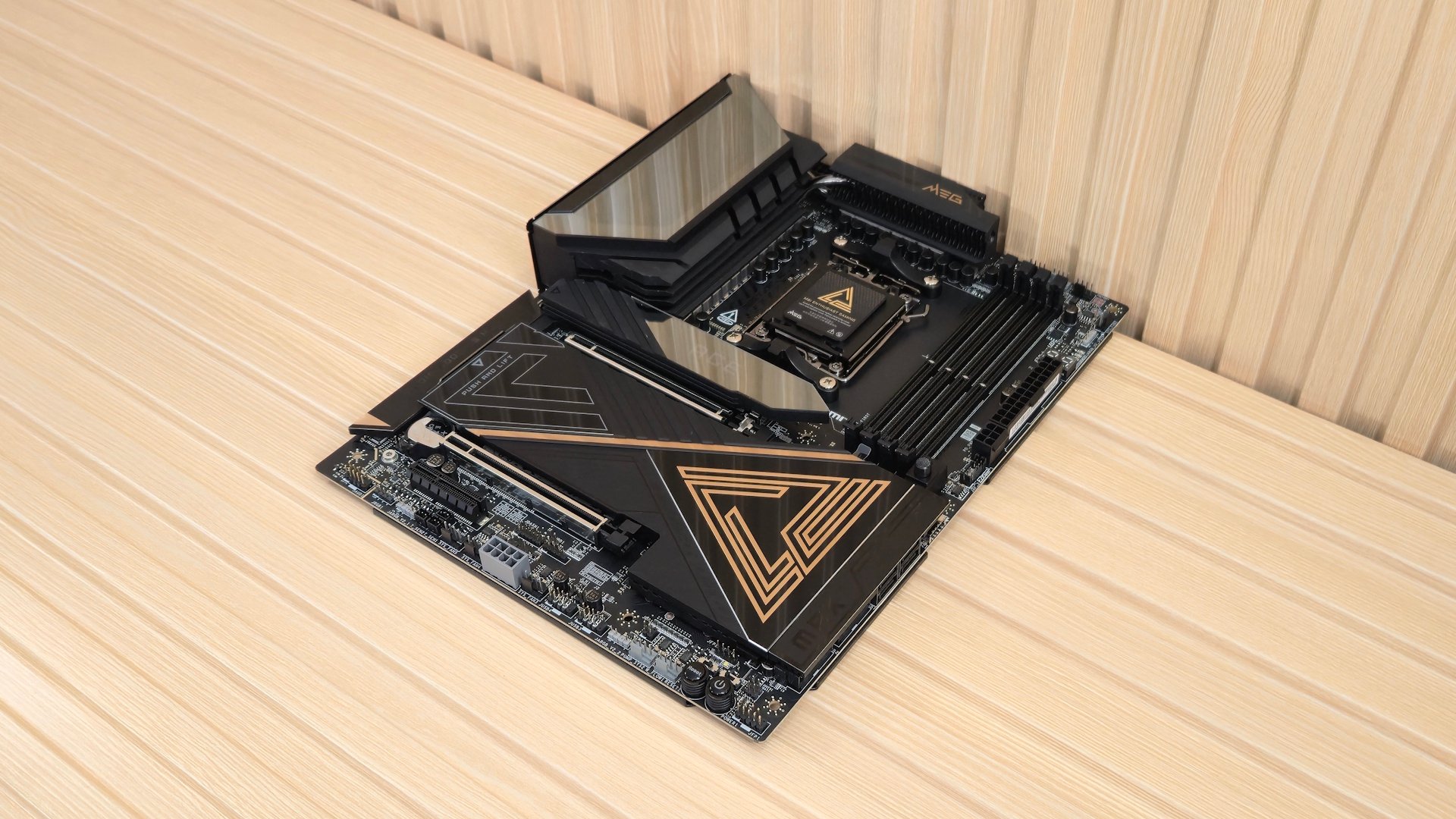
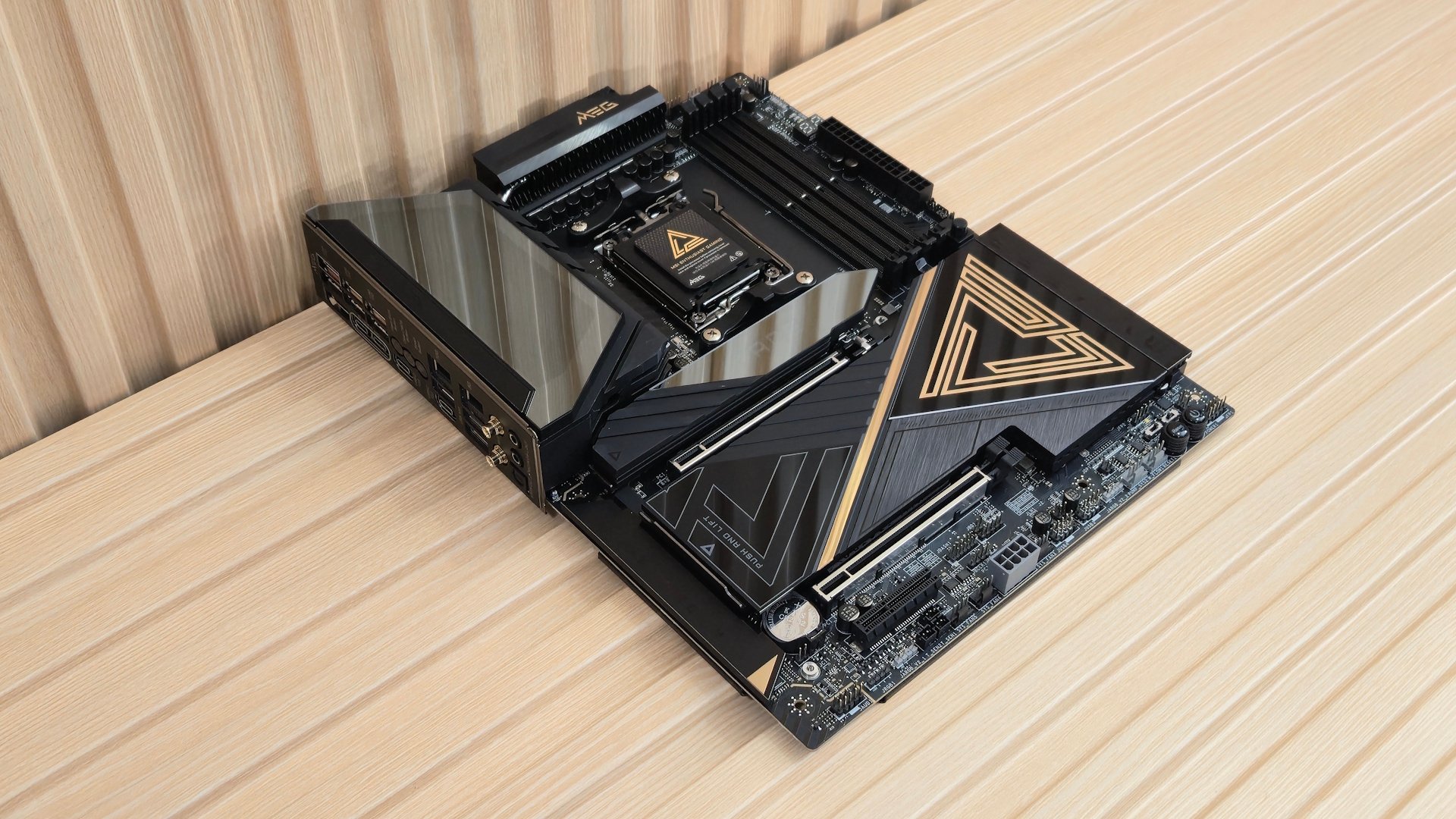
The board's aesthetic follows MSI's established premium design language with a sleek black 8-layer PCB, polished gold accents, and RGB lighting elements including the dragon logo on the Frozr heatsink and "Ace" branding on the primary M.2 socket. This mostly black theme with gold highlights creates a sophisticated look that complements dark build themes.
Storage and Connectivity: Plenty of Options
Storage enthusiasts will appreciate the five M.2 sockets, though the implementation comes with caveats. The top two sockets (M.2_1/2) connect directly to the CPU and support PCIe 5.0 x4 speeds (up to 238 Gbps) for 80mm devices. The remaining three M.2 sockets (M.2_3/4/5) connect through the chipset at PCIe 4.0 x4 speeds (64 Gbps).
The storage configuration becomes complicated by bandwidth sharing. M.2_1 shares lanes with the bottom PCIe x4 slot, reducing M.2_1 to PCIe 5.0 x2 speeds when the slot is populated. M.2_2 shares bandwidth with the USB 40 Gbps Type-C ports, dropping both to x2 speeds when used. Users can force x4 connections in the BIOS but at the cost of disabling the conflicting components.
On the rear I/O, MSI provides an extensive array of ports including six USB 3.2 Gen 2 (10 Gbps) ports, two USB4 Type-C ports (40 Gbps), HDMI 2.1 output, dual Ethernet (10 GbE and 5 GbE), Wi-Fi 7 with Bluetooth 5.4, and comprehensive audio options with two 3.5mm jacks plus SPDIF output.
Power Delivery and Performance
The Ace Max features a robust 21-phase VRM design with 18 phases dedicated to Vcore power delivery. The system uses Renesas R2209004 110A SPS MOSFETs controlled by a Renesas RAA229620 controller. This configuration provides more than enough power for high-end processors including the Ryzen 9 9950X and 9850X3D.
MSI's Frozr Guard cooling solution employs oversized heatsinks connected by a direct-touch heatpipe, with the top heatsink utilizing a "wavy fin array" design to increase surface area. The board includes two 8-pin EPS power connectors, with one required for operation.
Audio and Network Capabilities
Audio performance stands out as a major strength, with the Ace Max featuring the flagship Realtek ALC4082 codec paired with an ESS9219Q Combo DAC/HPA. This configuration represents one of the best native audio implementations available on motherboards, delivering high-fidelity sound without requiring a dedicated sound card.
Network connectivity is equally impressive, with the board including both a 10 GbE port (likely Intel-based based on typical implementations) and a 5 GbE port using Realtek's 8126 controller. Wi-Fi 7 support comes through MediaTek's MT7927 chipset, providing future-proof wireless connectivity.
EZ DIY Features and Build Experience
MSI loads the Ace Max with its EZ DIY feature set, including PCIe Release mechanisms, EZ M.2 clips for easier SSD installation, and various one-touch heatsinks that simplify the building process. The board includes a comprehensive accessory package with cables, clips, screws, and installation guides.
The Trade-offs
Despite its premium positioning, the Ace Max has some curious design decisions. The fifth M.2 socket is located on the rear of the board, which could complicate installation and cable management. The PCIe lane sharing between M.2_1 and the bottom PCIe slot, as well as between M.2_2 and the USB4 ports, requires careful planning for users with multiple high-speed devices.
The price point, while justified by the feature set, remains a significant consideration. At $649.99, buyers are approaching the territory of true flagship boards, making the value proposition dependent on whether the specific feature mix aligns with individual needs.
Target Audience and Verdict
The MSI MEG X870E Ace Max serves users who want flagship-class features without stepping up to the absolute top-tier pricing. It's particularly well-suited for:
- Storage enthusiasts who can work within the lane-sharing constraints
- Users prioritizing audio quality with the premium DAC implementation
- Builders who value comprehensive connectivity options
- Those who appreciate the premium aesthetic and build quality
However, users requiring maximum PCIe lane availability or those who find the rear M.2 placement problematic might want to consider alternatives. The lane-sharing architecture, while flexible, requires understanding and potentially compromises based on specific hardware configurations.
For users who need the absolute best of everything AMD's X870E platform offers and are willing to navigate its complexities, the Ace Max delivers. The combination of powerful VRM, excellent audio, comprehensive connectivity, and premium build quality makes it a compelling option in the premium mid-range segment, even if the lane-sharing decisions and rear M.2 placement prevent it from being a perfect solution for all users.
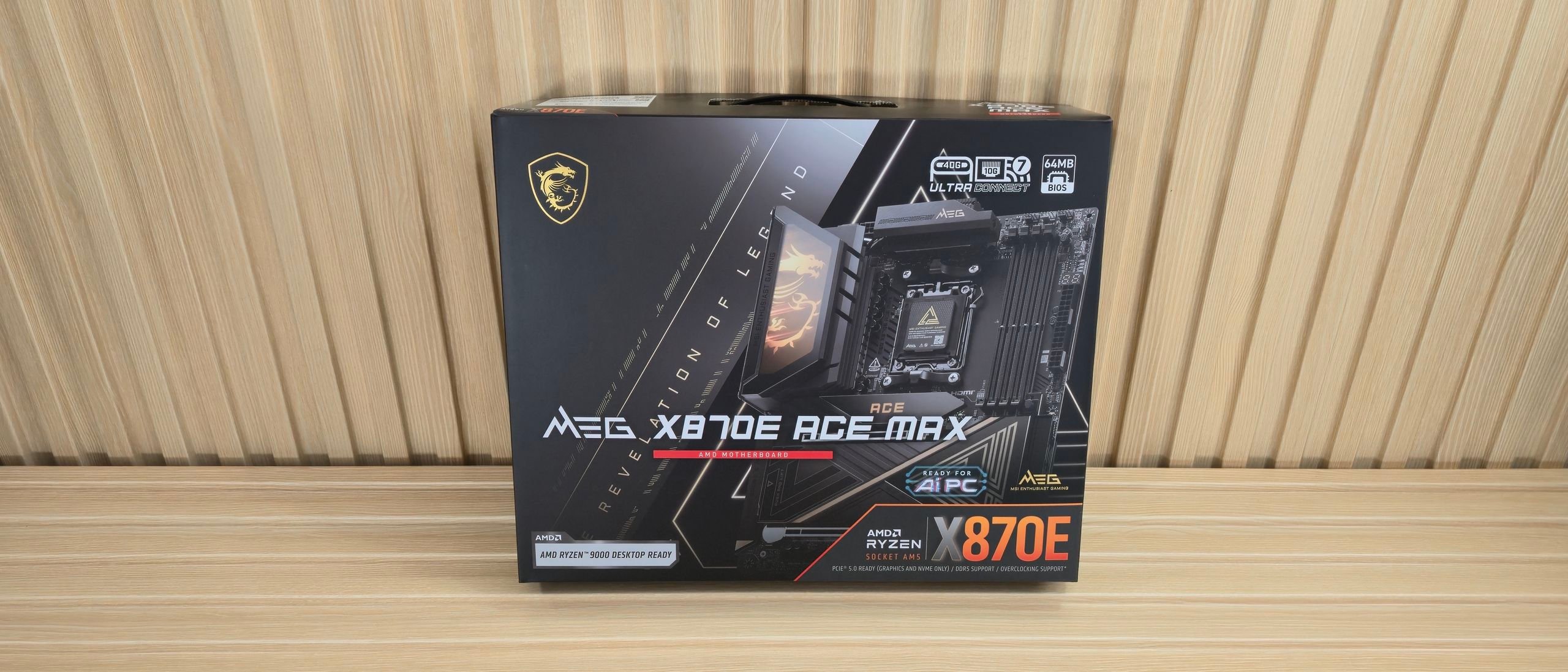
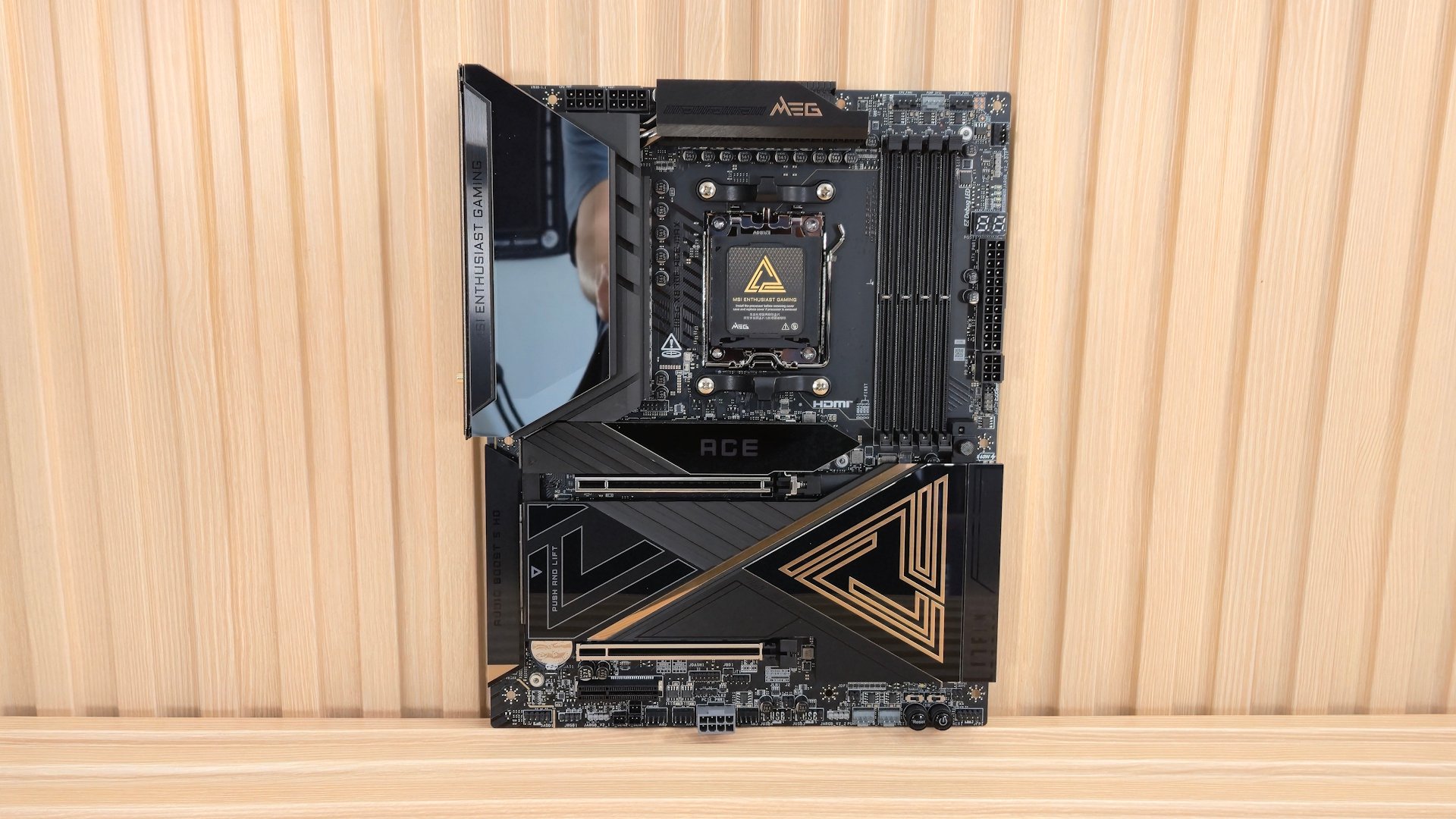
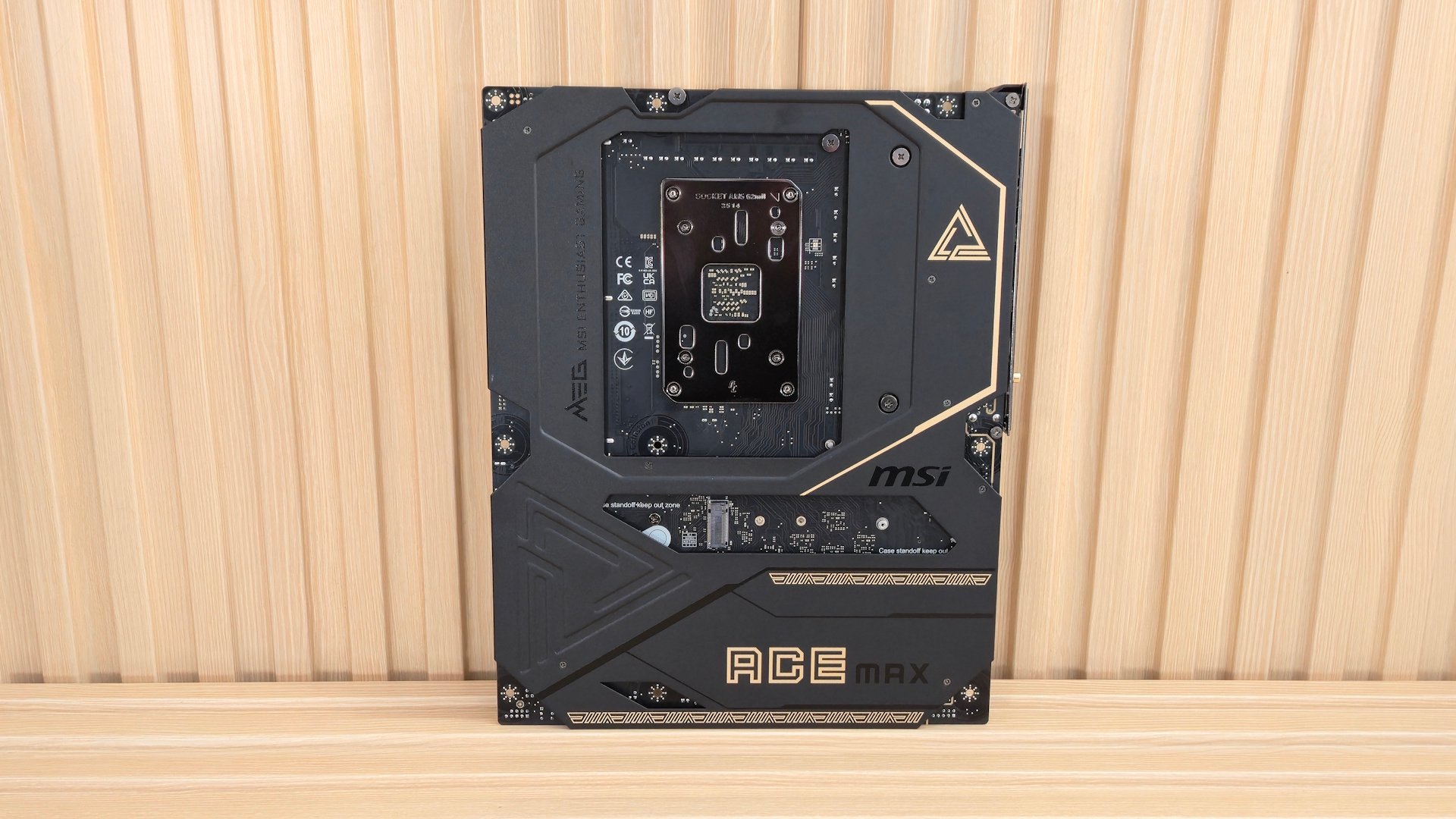
The MSI MEG X870E Ace Max represents a solid evolution of MSI's premium motherboard strategy, offering a feature-rich platform that balances performance, connectivity, and aesthetics at a price point that, while substantial, delivers genuine value for the right user.
Comments
Please log in or register to join the discussion