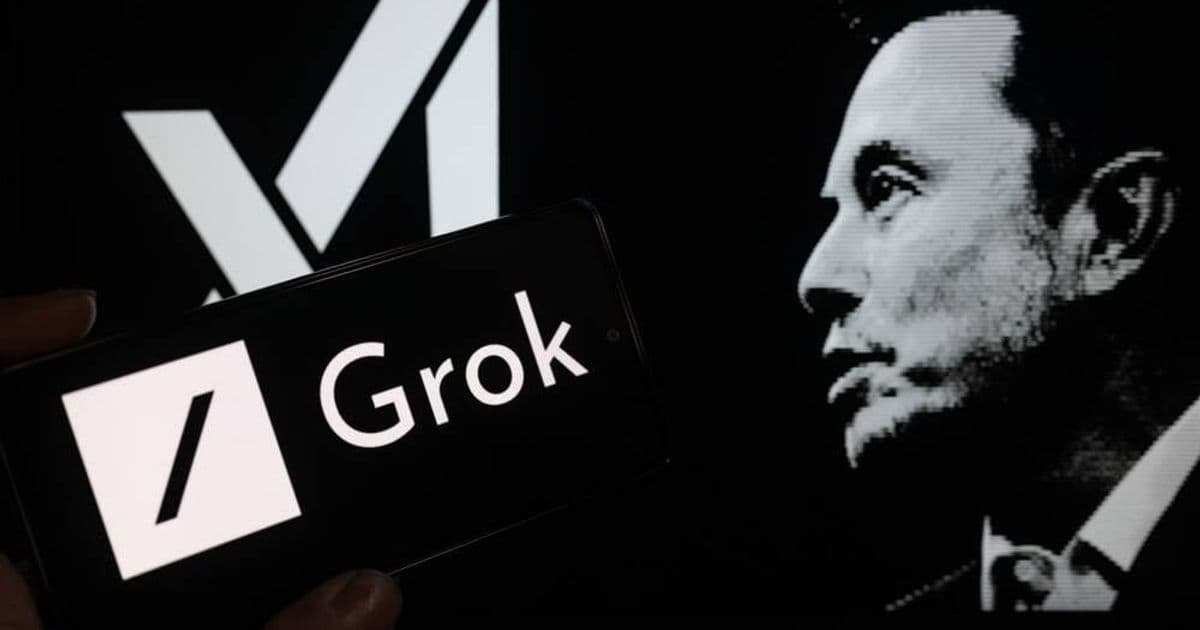
Elon Musk's latest venture combines his AI company xAI with SpaceX in a bold plan to build orbital datacenters powered by the sun, aiming to scale AI compute beyond Earth's limitations.
Elon Musk has unveiled an ambitious plan to merge his artificial intelligence company xAI with SpaceX, creating a cosmic infrastructure to power the next generation of AI computing. In a blog post that reads like science fiction, Musk outlined his vision for building datacenters in space, powered by the sun's limitless energy, to meet what he predicts will be insatiable demand for AI compute power.
The Space-Based AI Datacenter Vision
Musk argues that terrestrial resources cannot satisfy future AI demands, making space-based infrastructure not just preferable but necessary. His calculations suggest that launching satellites capable of generating 100 gigawatts of AI compute capacity annually could be achieved by deploying a million tons of equipment into orbit each year.
"My estimate is that within two to three years, the lowest cost way to generate AI compute will be in space," Musk contends. "Long term space-based AI is obviously the only way to scale."
This vision builds on SpaceX's existing Starship program, which Musk believes will eventually achieve hourly launch schedules carrying 200-ton payloads. The math is straightforward in his view: 100kW of compute power per ton translates to massive annual capacity gains without the operational constraints of Earth-based facilities.
Lunar Manufacturing and Deep Space Deployment
The plan extends beyond simple orbital datacenters. Musk envisions lunar factories using electromagnetic mass drivers to manufacture and deploy satellites deeper into space. According to his projections, this could enable the deployment of 500 to 1,000 terawatts of AI satellites annually.
"Factories on the Moon can take advantage of lunar resources to manufacture satellites and deploy them further into space," Musk explained. This approach would leverage the moon's lower gravity and lack of atmosphere to reduce launch costs for deep space operations.
Competition in the Space AI Race
Musk isn't alone in seeing space as AI's future home. Amazon founder Jeff Bezos has expressed similar views about the limitations of Earth-based computing infrastructure. Google launched Project Suncatcher in November, aiming to establish a network of orbital AI datacenters equipped with TPUs.
The convergence of these visions suggests a broader industry recognition that AI's computational demands may eventually outstrip what can be sustainably provided on Earth, particularly as energy costs and environmental concerns mount.
Technical and Practical Challenges
While the vision is compelling, significant hurdles remain. Starship has completed only test flights so far, and achieving hourly launch schedules represents a massive leap in operational capability. The space environment presents unique challenges for computing infrastructure, including radiation exposure, extreme temperature variations, and the absence of human maintenance crews.
Musk's post notably omits discussion of these practical concerns. Computers in space will fail and require maintenance, yet the logistics of servicing orbital datacenters remain unresolved. The absence of human oversight in space-based systems raises questions about reliability and troubleshooting capabilities.
Ethical and Jurisdictional Concerns
The ethical implications of space-based AI infrastructure deserve consideration. AI services from Musk's companies have previously generated controversial content, including material sympathetic to Nazism and deep fake pornography. Giant datacenters operating in uncertain legal jurisdictions could enable activities difficult to regulate or monitor from Earth.
The Path Forward
Whether Musk's vision materializes or remains aspirational, it highlights the growing tension between AI's computational demands and Earth's resource limitations. The convergence of space technology and AI infrastructure represents a fascinating frontier in computing, even if the timeline and technical feasibility remain subjects of debate.
The merger of xAI and SpaceX creates a vertically integrated company capable of pursuing this vision end-to-end, from AI development to space launch capabilities. Whether this combination accelerates progress or creates new challenges remains to be seen, but it certainly marks a bold step toward making science fiction a reality.
Comments
Please log in or register to join the discussion