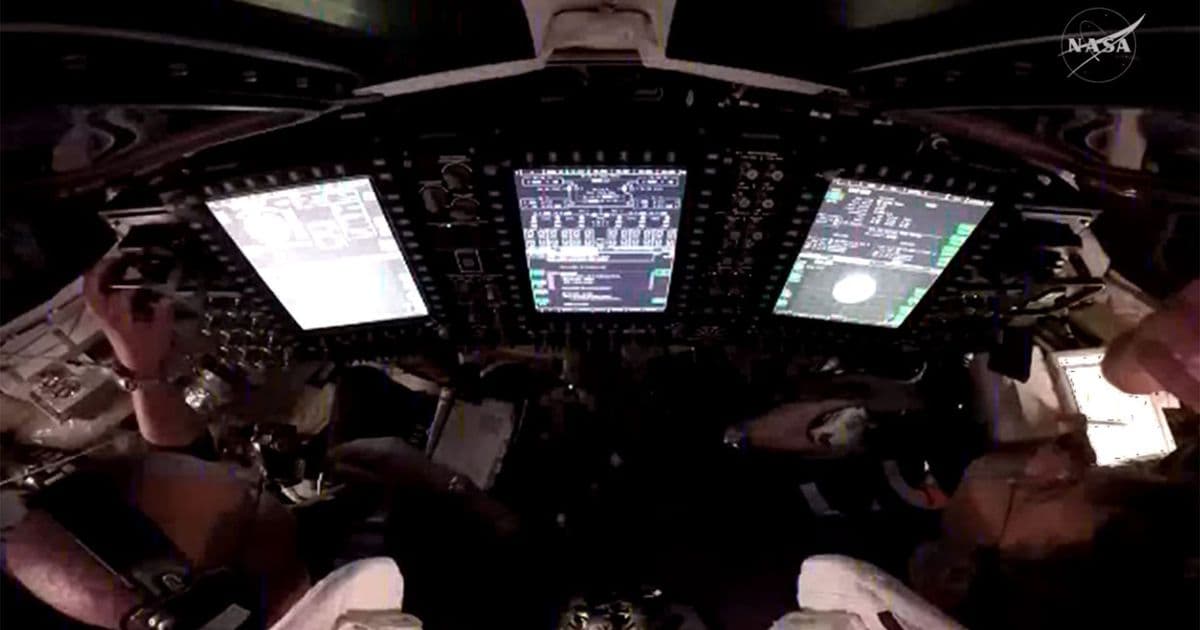
Artemis II astronauts discovered two instances of Microsoft Outlook running on their spacecraft computers, neither functioning properly, prompting a remote troubleshooting session with Mission Control.
NASA's Artemis II mission, currently en route to the Moon, encountered an unexpected software anomaly when astronauts discovered two instances of Microsoft Outlook running simultaneously on their spacecraft computers, neither functioning properly.
Commander Reid Wiseman reported the issue to Mission Control approximately 13 hours into the mission, stating, "I also see that I have two Microsoft Outlooks, and neither one of those are working if you want to remote in." Mission Control agreed to remotely access the system to diagnose the problem.
The incident was first highlighted by BlueSky user Niki Grayson, who clipped the exchange from NASA's live stream and remarked, "I'm so sorry we've sent these souls to the moon and they're using Outlook?"
About an hour after the initial report, Mission Control confirmed they had resolved the issue. However, the Outlook application continued to display an "offline" status, which controllers explained was expected behavior for the system configuration.
This software glitch occurred despite NASA's rigorous testing protocols for all systems aboard the Orion spacecraft. The incident provides an interesting glimpse into the balance between specialized aerospace systems and the practical needs of astronauts during long-duration missions.
Commercial Off-The-Shelf Software in Space
The use of Microsoft Outlook aboard the Orion spacecraft represents a broader NASA strategy of incorporating Commercial Off-The-Shelf (COTS) software for non-critical operations. While the spacecraft's primary flight systems run on specialized radiation-hardened hardware with rigorously maintained software, COTS applications provide astronauts with familiar tools for daily operations.
This approach allows crew members to check schedules, manage communications, and handle personal correspondence using interfaces they're accustomed to from Earth-based operations. The trade-off involves accepting occasional software quirks in exchange for reduced training requirements and improved crew comfort during missions.
Technical Context of the Anomaly
The dual Outlook instances suggest either a configuration error during system setup or an unexpected behavior triggered by the spacecraft's unique computing environment. Space-rated computers often run modified versions of standard operating systems, which can sometimes interact unpredictably with conventional software.
Microsoft Outlook's offline status display, while initially concerning, appears to be a normal operational state for the spacecraft's communication setup. This likely relates to the intermittent nature of deep space communications and the need for local data caching during periods of signal loss.
Broader Implications for Space Software
The Artemis II Outlook incident highlights the ongoing challenges of adapting terrestrial software for space applications. As missions venture farther from Earth and durations extend, the reliability of COTS software becomes increasingly critical.
Future Artemis missions and potential Mars expeditions will need to address these software reliability concerns while maintaining the usability benefits that familiar applications provide. The balance between specialized aerospace software and user-friendly commercial applications remains a key consideration in spacecraft design.
The incident also underscores the importance of remote troubleshooting capabilities for deep space missions, where astronauts may need to rely on Mission Control for software support when issues arise far from Earth.
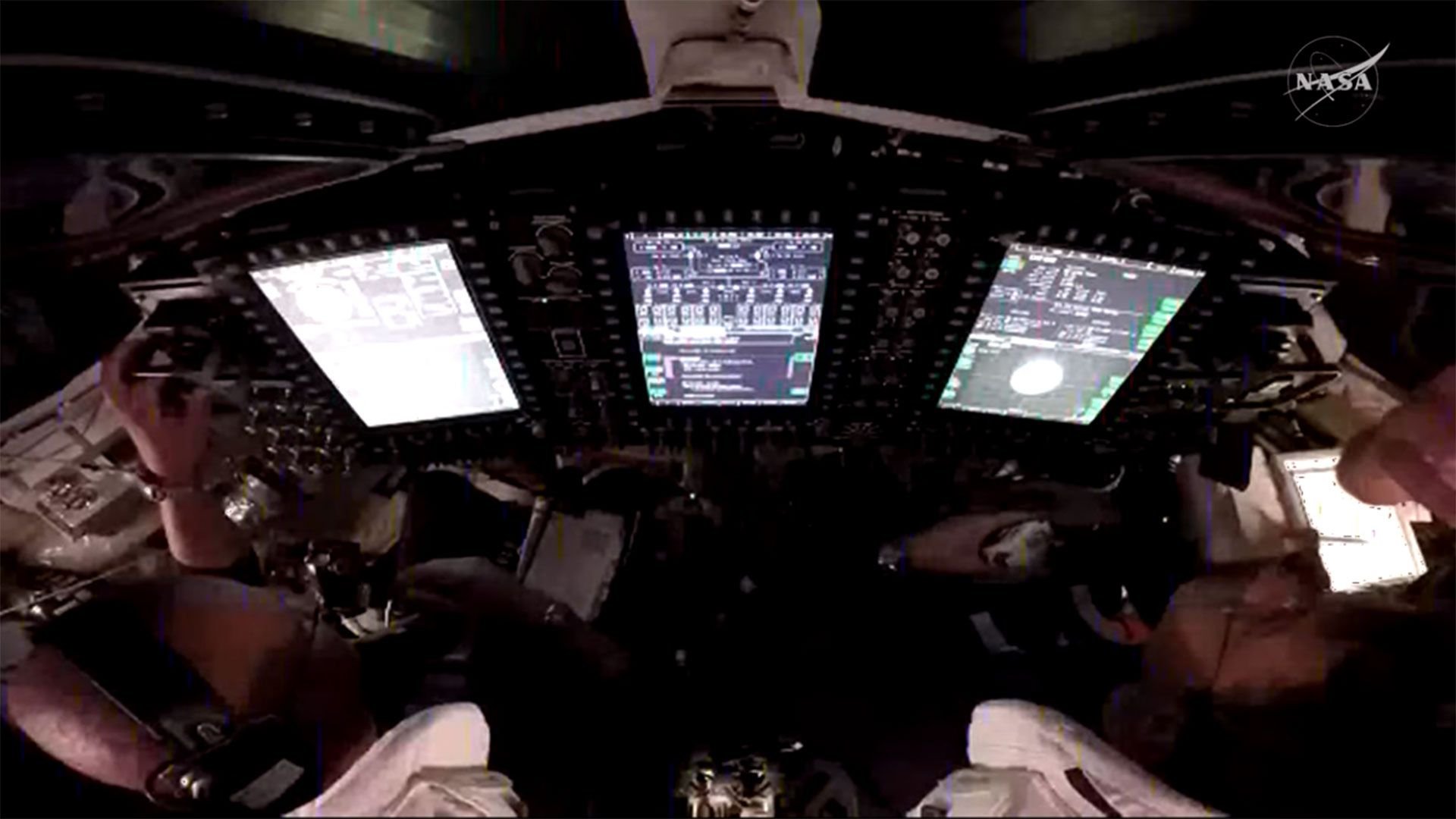
Other Technical Challenges During Artemis II
The Outlook glitch wasn't the only technical issue encountered during the early stages of the Artemis II mission. Astronauts also dealt with a toilet malfunction approximately two hours after launch.
The spacecraft's waste management system experienced a problem with a urine extraction fan, which is critical for preventing microgravity-related complications. The fan jammed, triggering a fault light on the toilet control panel.
One of the astronauts successfully cleared the jam and restored normal operation to the fan system. NASA later confirmed the toilet was fully operational, though the specific brand of fans used in the spacecraft's waste management system remains undisclosed.
These incidents, while resolved without major impact to the mission, demonstrate the complex interplay between software and hardware systems in the challenging environment of space travel. They also highlight the resourcefulness of astronauts in troubleshooting and resolving issues during critical mission phases.
As Artemis II continues its journey toward lunar orbit, mission controllers and crew members will undoubtedly remain vigilant for any additional software or hardware anomalies that may arise during this historic mission.
Comments
Please log in or register to join the discussion