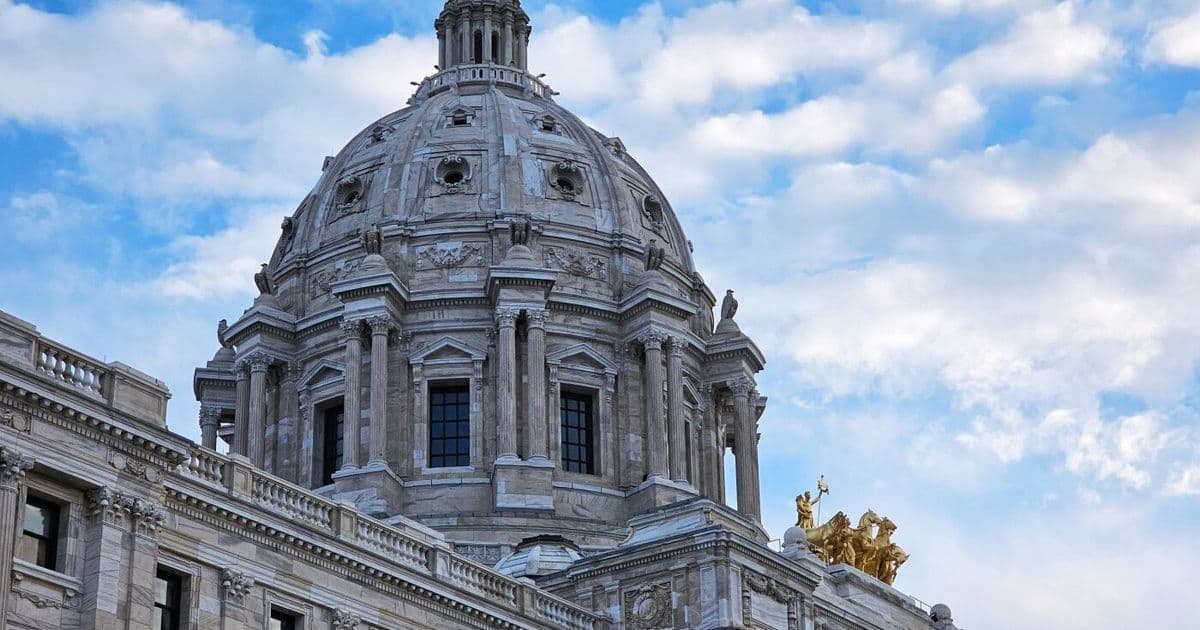
Minnesota has become the first U.S. state to outlaw prediction‑market platforms such as Kalshi and Polymarket, prompting a lawsuit from the Commodity Futures Trading Commission. The move highlights a growing tension between state‑level gambling controls and federal claims of exclusive jurisdiction, while users and industry groups warn of reduced hedging tools and a shift toward offshore services.
A State Takes a Stand
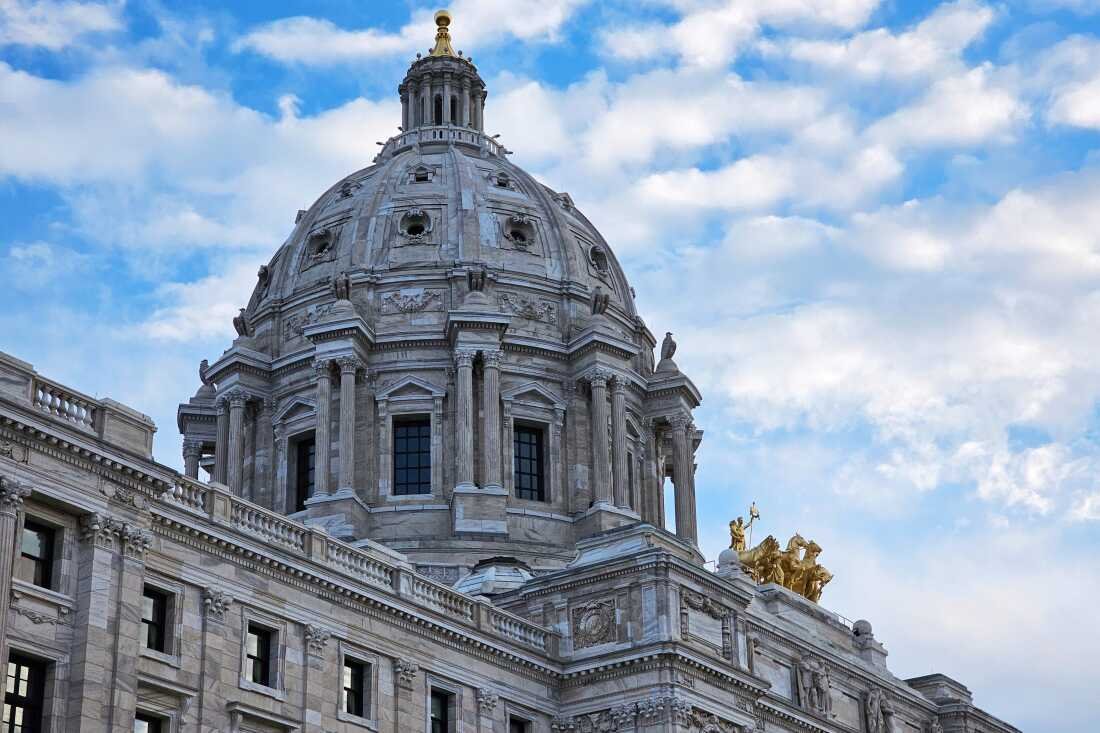
Minnesota’s new law makes it a criminal offense to host, advertise, or facilitate a prediction market—a platform where users wager on the outcome of future events ranging from elections to weather. The measure, signed by Governor Tim Walz and slated to take effect in August, also targets VPN services that could help residents evade the ban. The immediate impact will be the removal of operators like Kalshi and Polymarket from the state, or else they face felony charges.
Why the Ban Matters
The legislation reflects a broader push by state lawmakers to treat prediction markets as a form of gambling that should be regulated at the local level. Representative Emma Greenman, who authored the bill, framed it as a public‑safety measure: “We as a state should decide what regulations attach to gambling, to protect our kids.”
At the same time, the law carves out narrow exceptions for contracts that function as insurance—most notably weather‑related hedges that farmers have relied on for decades. After industry pushback, the bill was amended to preserve these agricultural hedges, underscoring the sector’s influence.
Federal Pushback and the Jurisdiction Debate
The Commodity Futures Trading Commission (CFTC) has filed a lawsuit seeking an injunction against the Minnesota ban, arguing that prediction markets fall under its exclusive regulatory authority. CFTC Chairman Michael Selig warned that the state law would turn lawful participants into felons overnight and could jeopardize essential hedging tools for Minnesota’s agricultural community.
Legal scholars note that the CFTC’s claim stretches its traditional remit. “Bets on whether a president will say a particular phrase or whether a pop star will appear at the Super Bowl are far beyond the agency’s historical focus on commodity futures,” says Melinda Roth, a professor at Washington and Lee University’s School of Law.
Industry Reaction: Competition, Access, and Risk
Kalshi’s spokesperson Elisabeth Diana likened the ban to “trying to ban the New York Stock Exchange,” arguing that it would push users toward offshore services, reduce competition, and limit legitimate hedging opportunities. A Polymarket representative echoed this sentiment, pointing out that the federal framework already provides a regulatory path for these platforms.
For many users, prediction markets serve as a bridge to sports betting in states where traditional sportsbooks are illegal. Data from Kalshi shows that over 85 % of its trading volume involves sporting events, often bundled into high‑risk “parlay” contracts. The ban could therefore cut off a significant portion of the betting ecosystem for Minnesotans.
Counter‑Perspectives: Gambling Concerns and Market Integrity
Opponents of the platforms argue that the line between prediction markets and gambling is blurry, especially when the majority of activity centers on sports outcomes. They contend that state oversight could better protect vulnerable consumers and address concerns about market manipulation and insider trading.
Furthermore, tribal casinos in Minnesota already operate under separate gaming compacts, but online gambling and sports betting remain illegal statewide. Critics suggest that allowing prediction markets to operate unchecked could undermine these existing gambling restrictions.
The Bigger Picture: A Patchwork of State Bills
Minnesota is not alone. Bills targeting prediction markets have been introduced in seven other states, with Hawaii and North Carolina actively pursuing bans. The National Conference of State Legislators tracks these efforts, indicating a growing legislative appetite to treat prediction markets as a gambling issue rather than a financial instrument.
Meanwhile, the CFTC has sued five states—including Arizona, Wisconsin, and New York—seeking to preempt local regulations. More than 20 lawsuits across the country already address the federal‑state jurisdiction question, suggesting that Minnesota’s case could become a precedent for how the industry is governed.
What Comes Next?
The legal battle will likely hinge on whether courts view prediction markets as securities, commodities, or gambling products. A favorable ruling for the CFTC could cement federal preemption, while a decision upholding Minnesota’s law would empower states to craft their own gambling frameworks.
For users, the immediate concern is access. If operators withdraw, many will turn to VPNs or offshore sites—both of which the Minnesota law explicitly criminalizes. Enforcement will therefore test the state’s ability to police online activity beyond its borders.
Bottom Line
Minnesota’s ban spotlights a clash between state‑level consumer‑protection goals and a federal agency’s claim to exclusive regulatory authority. As the industry continues to grow, the outcome of this legal showdown will shape not only where users can place their bets, but also how prediction markets are classified in the broader financial and gambling ecosystems.
Comments
Please log in or register to join the discussion