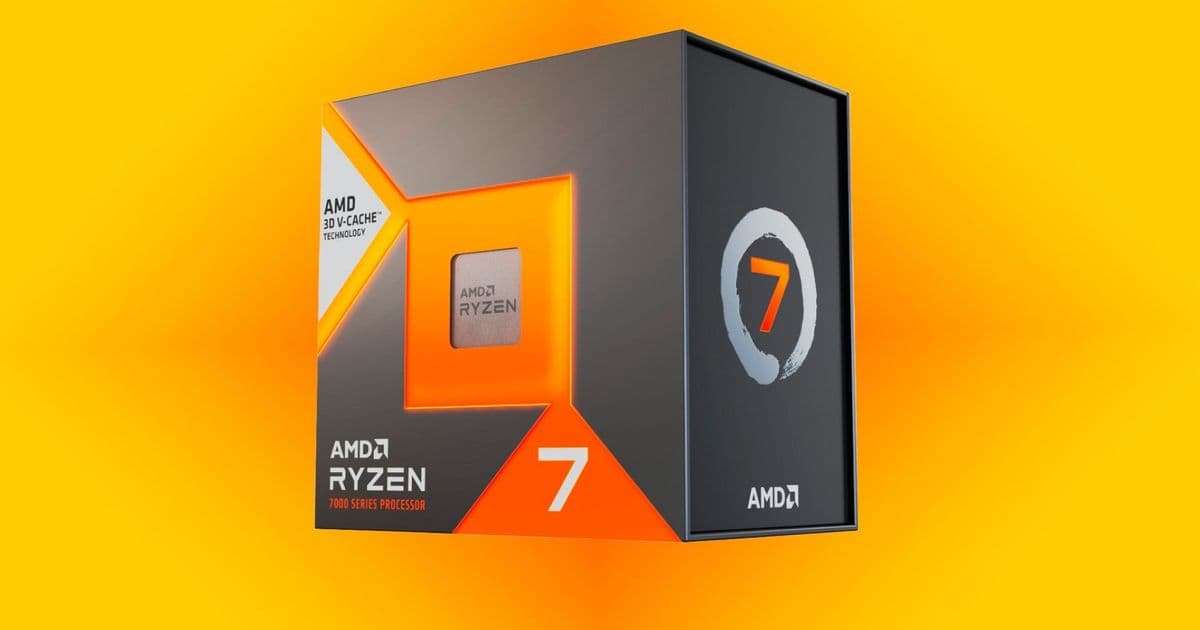
AMD is reportedly preparing a lower‑binned Ryzen 7 7700X3D that keeps the eight‑core/16‑thread layout and 96 MiB of 3D‑V‑Cache of the 7800X3D but drops base/boost clocks by 200 MHz and 500 MHz respectively. The move could push 3D‑V‑Cache into a more price‑sensitive segment, but DDR5 scarcity and the chip’s unchanged 120 W TDP may limit its impact.
AMD signals a new, cheaper entry in the Ryzen 7000 X3D family
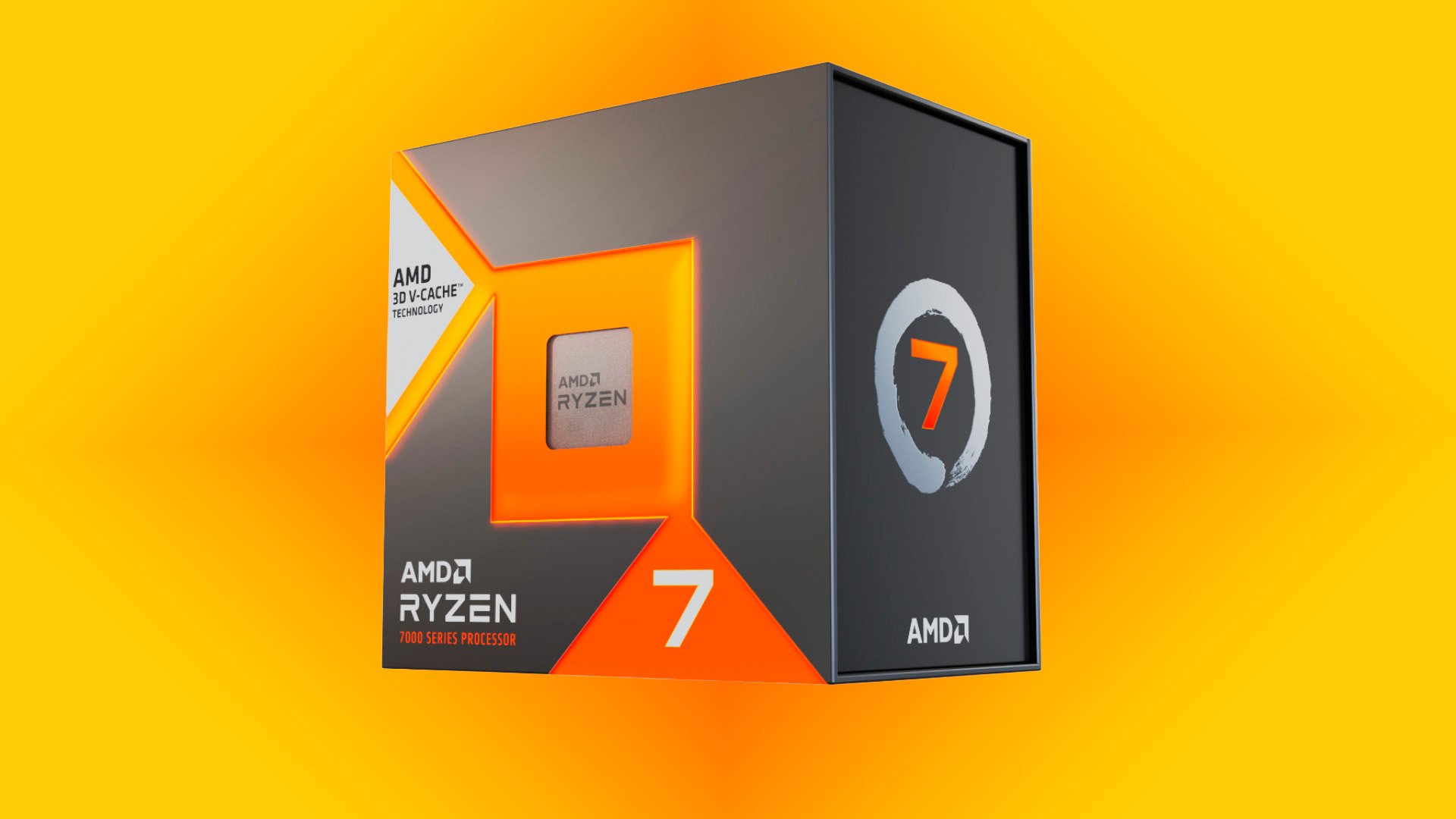
A well‑known leaker, chi11eddog, has posted internal AMD documents that show a Ryzen 7 7700X3D in final testing. The part appears to be a lower‑binned sibling of the existing Ryzen 7 7800X3D, aimed at gamers who want the performance boost of 3D‑V‑Cache without the premium price tag.
Technical specifications at a glance
| Model | Cores / Threads | Base / Boost (GHz) | L3 Cache (MiB) | TDP (W) |
|---|---|---|---|---|
| Ryzen 9 7950X3D | 16 / 32 | 4.2 / 5.7 | 128 | 120 |
| Ryzen 9 7900X3D | 12 / 24 | 4.4 / 5.6 | 128 | 120 |
| Ryzen 7 7700X3D | 8 / 16 | 4.0 / 4.5 | 96 | 120 |
| Ryzen 7 7800X3D | 8 / 16 | 4.2 / 5.0 | 96 | 120 |
| Ryzen 5 7600X3D | 6 / 12 | 4.1 / 4.7 | 96 | 65 |
Key differences from the 7800X3D:
- Clock speeds: 200 MHz lower base and 500 MHz lower boost. The reduction is modest for gaming workloads that are often limited by cache latency rather than raw frequency.
- Silicon binning: The 7700X3D likely uses chips that failed to meet the tighter boost targets of the 7800X3D, allowing AMD to sell them at a lower price while still delivering the 3D‑V‑Cache advantage.
- Power envelope: Both chips retain a 120 W TDP, meaning motherboard VRM requirements and cooling solutions stay the same. In practice the lower clocks may translate to slightly cooler operation, but the overall power draw will be comparable under load.
How 3D‑V‑Cache works
AMD’s 3D‑V‑Cache stacks an additional 32 MiB of L3 cache on top of the existing cache die using through‑silicon vias (TSVs). The total 96 MiB of L3 reduces memory latency for cache‑heavy titles, delivering up to 15 % higher frame rates in titles such as Cyberpunk 2077 and Microsoft Flight Simulator when compared with non‑X3D counterparts.
The architecture does not change the core micro‑architecture (Zen 4) – the performance lift comes almost entirely from the larger, faster cache hierarchy.
Market implications
Pricing expectations
The 7800X3D launched at US$449 and now trades around $377 in the secondary market. If AMD follows its typical pricing strategy for lower‑binned parts, the 7700X3D could be positioned near the $300‑$320 range, undercutting the 7800X3D by roughly 15‑20 %.
A price point in this band would place the chip directly against Intel’s 13th‑gen Core i7‑13700KF (≈$330) and the upcoming Core i5‑14600K (≈$260). The differentiator would be the 3D‑V‑Cache advantage, which is most visible in games that are cache‑sensitive.
Supply‑chain context
The launch arrives amid a prolonged DDR5 shortage. All Ryzen 7000 X3D CPUs require DDR5‑5600 or faster memory, and current market pricing for 32 GB kits hovers above $250. This adds a hidden cost that could blunt the attractiveness of a lower‑priced CPU.
Furthermore, the 7700X3D’s unchanged 120 W TDP means OEMs will need the same high‑end VRM designs used for the 7800X3D, limiting its appeal for budget‑oriented pre‑built systems that often opt for cheaper power stages.
Potential adoption scenarios
- Same‑socket upgrades – Users who own a Ryzen 7 7700X or 7800X but have not yet moved to 3D‑V‑Cache could see a clear performance bump by swapping the cooler and motherboard for a compatible 120 W board.
- Enthusiast builds – Builders focused on maximum FPS per dollar in titles like Fortnite or Valorant may adopt the 7700X3D if the price gap to the 7800X3D is wide enough to justify the modest clock reduction.
- OEM channel – AMD could initially ship the chip to system integrators in regions where DDR5 pricing is less volatile, using it to refresh mid‑range gaming desktops without redesigning the motherboard.
Risks
- DDR5 price pressure could keep overall system cost above $800, which is a psychological barrier for many gamers.
- Limited stock – If the 7700X3D is truly a bin‑sell‑off, production volumes may be modest, leading to sporadic availability.
- Competition from Intel – Intel’s upcoming Raptor Lake Refresh CPUs promise higher boost clocks and integrated graphics, potentially eroding the performance‑per‑dollar edge of the 7700X3D.
Bottom line
The rumored Ryzen 7 7700X3D appears to be a strategic move by AMD to monetize silicon that falls short of the 7800X3D’s boost targets. By keeping the 96 MiB 3D‑V‑Cache and dropping clocks modestly, AMD can offer a more affordable entry into its high‑cache gaming tier. The real market impact will hinge on two factors: how aggressively AMD prices the part and whether DDR5 supply stabilizes enough to keep total system cost competitive. If both align, the 7700X3D could become the go‑to CPU for gamers seeking the cache advantage without paying flagship prices.
Comments
Please log in or register to join the discussion