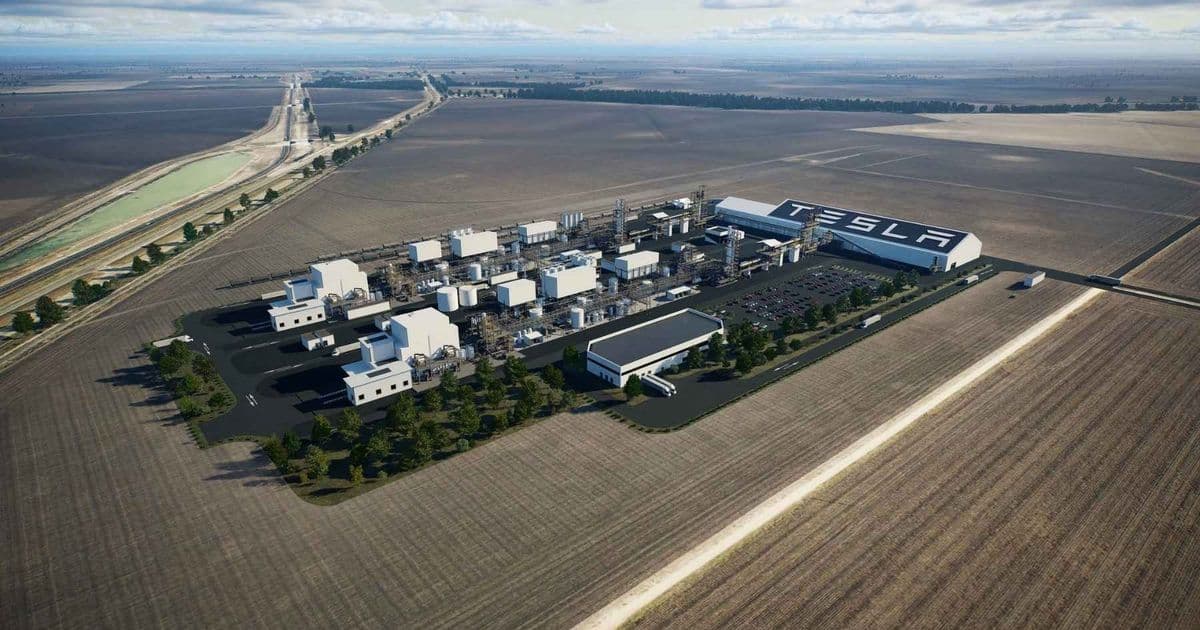
A routine inspection by Nueces County Drainage District uncovered a pipe from Tesla’s $1 billion lithium‑hydroxide plant dumping dark liquid into a local ditch. Independent testing found hexavalent chromium, arsenic, lithium and other metals, none of which are covered by the plant’s state wastewater permit. The dispute highlights gaps in Texas’s permitting regime and raises questions about the meaning of “clean lithium.”
Tesla’s “acid‑free” lithium refinery discharges black wastewater into Texas ditch – what the data actually show
By Luis Reyes – May 18, 2026
Edited for technical clarity
What was claimed?
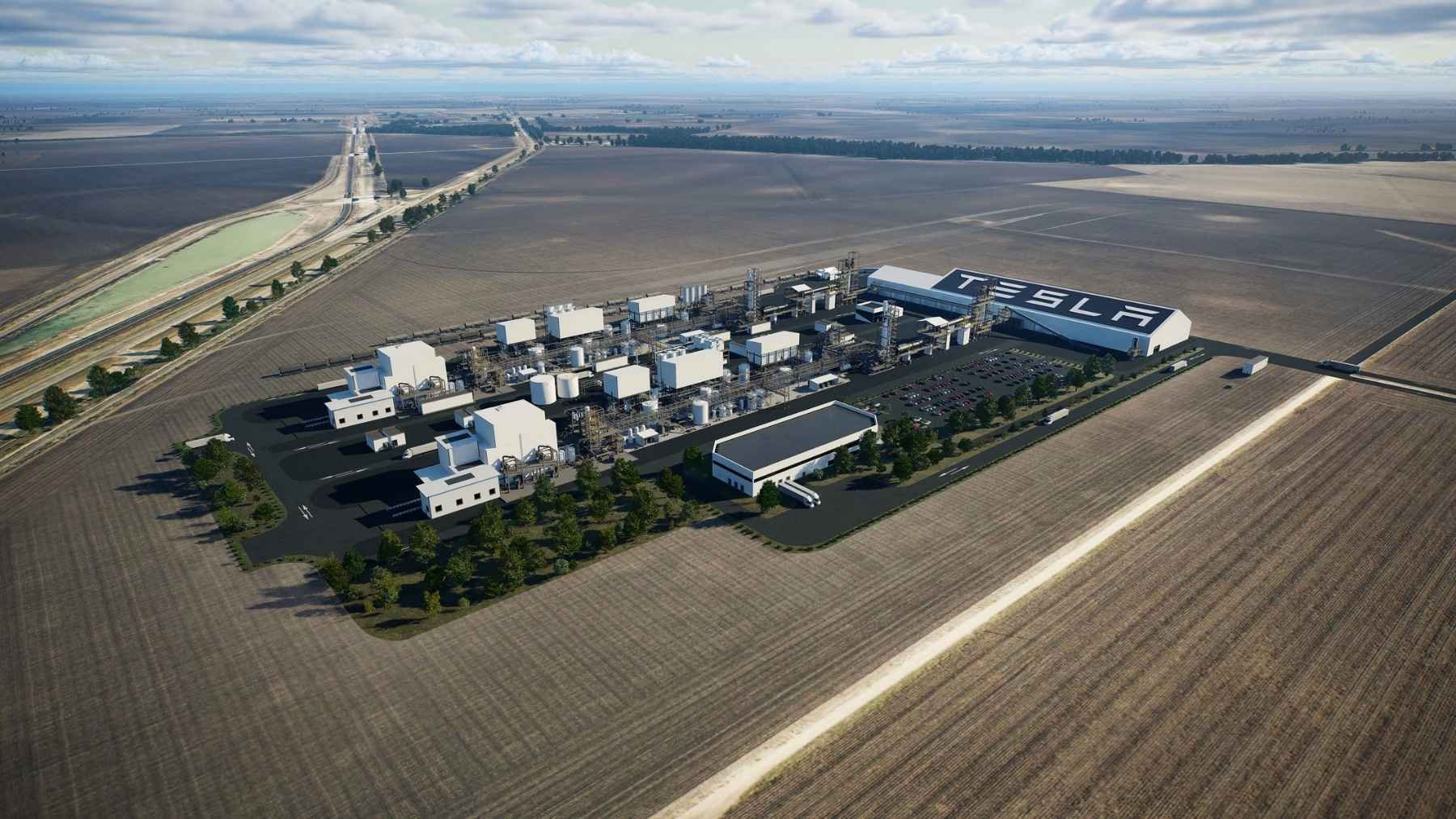
Tesla promoted its Robstown, Texas facility as the first commercial‑scale spodumene‑to‑lithium‑hydroxide refinery in North America and repeatedly emphasized an “acid‑free, clean process.” The company’s marketing material states that the only by‑products are sand and limestone, implying that the plant’s wastewater is essentially benign.
What actually happened on the ground?
During a routine ditch inspection in January 2026, workers for Nueces County Drainage District No. 2 spotted an unfamiliar pipe discharging a very dark, almost black liquid into a drainage ditch that feeds Petronila Creek and ultimately Baffin Bay. The pipe belongs to Tesla’s lithium refinery, which, under a Texas Pollutant Discharge Elimination System (TPDES) permit issued on 15 Jan 2025, is allowed to release up to 231,000 gal / day of treated wastewater into that same ditch.
The permit, however, does not grant Tesla permission to lay pipe across public or private easements, nor does it require monitoring for many of the contaminants later found in the ditch water.
The regulatory response
- January–February 2026: The drainage district filed two complaints with the Texas Commission on Environmental Quality (TCEQ).
- 12 Feb 2026: A TCEQ investigator sampled the outfall, testing only the standard panel (dissolved solids, chlorides, sulfates, oil & grease, temperature, dissolved oxygen). All values fell within the permit limits.
- 20 Mar 2026: TCEQ closed the case, finding no violation. Heavy metals and lithium were not part of the original complaint, so they were never tested.
Independent testing tells a different story
Unsatisfied with the state’s limited analysis, the district hired Eurofins Environment Testing to conduct a 24‑hour composite sample upstream of the outfall on 7 Apr 2026. The lab’s report (issued 10 Apr) listed:
| Contaminant | Concentration | Regulatory context |
|---|---|---|
| Hexavalent chromium (Cr VI) | 0.0104 mg/L | Just above Eurofins’ reporting limit; classified as a known human carcinogen (NTP). |
| Arsenic (As) | 0.0025 mg/L | Below the EPA drinking‑water MCL (0.01 mg/L) but detectable. |
| Strontium (Sr) | 1.17 mg/L | Elevated relative to background groundwater; can affect bone and kidney health. |
| Lithium (Li) | “abnormally high” (exact value not disclosed) | Not required by the TPDES permit. |
| Vanadium (V) | “abnormally high” | Same as lithium. |
| Manganese, iron, phosphorus, calcium, magnesium, potassium | Elevated | Typical of industrial effluents; manganese is a known battery‑process tracer. |
| Ammonia‑N (as nitrogen) | 1.68 mg/L | Contributes to eutrophication risk. |
The district’s volunteer engineer, Aref Mazloum, highlighted that the combination of lithium, strontium, and vanadium forms a chemical fingerprint matching the plant’s processing chemistry. He also warned that the high salt load is degrading the ditch’s vegetated banks, increasing erosion risk.
Tesla’s rebuttal
Jason Bevan, Senior Manager of Site Operations, issued a statement asserting that Tesla “routinely monitors and tests its permitted wastewater discharge” and is “in complete compliance with all requirements of its state‑issued wastewater discharge permit.”
Tesla also challenged Eurofins’ methodology, arguing that the sampling location downstream of the outfall could have captured contaminants from other sources, whereas the permit requires monitoring at the outfall itself. This is a legitimate procedural point; however, the district’s engineers maintain that the observed metal suite is unlikely to arise from unrelated sources in that short stretch of water.
Why this matters now
- Water scarcity: Corpus Christi, 16 mi east, is on the brink of a municipal water emergency due to prolonged drought. Adding heavy metals and excess salts to an already stressed watershed is a non‑trivial concern.
- Supply‑chain narrative: The refinery is meant to reduce U.S. reliance on overseas lithium, a key bottleneck for EV battery production. Tesla has used the plant to argue that domestic lithium can be produced without the acid‑intensive methods typical of South American operations.
- Regulatory gaps: The TPDES permit focuses on conventional pollutants and excludes lithium, vanadium, and hexavalent chromium. Consequently, the plant can legally discharge water that contains the very metals it is designed to extract, plus a known carcinogen, without triggering a violation.
What’s missing from the current picture?
- Long‑term monitoring data – A single 24‑hour composite provides a snapshot but not trend information. Continuous monitoring at the outfall would clarify whether the Eurofins results are an outlier or represent routine discharge.
- Source apportionment – A more detailed chemical mass‑balance could confirm that the detected metals originate from the refinery rather than upstream agricultural runoff or legacy mining sites.
- Risk assessment – Quantitative ecological and human‑health risk analyses (e.g., EPA’s Water Quality Criteria) are needed to translate concentrations into actionable thresholds for the local community.
Possible next steps
- Permit amendment – TCEQ could revise the TPDES permit to require monitoring for lithium, vanadium, and chromium, and to set specific limits for these metals.
- On‑site treatment – Mazloum recommends a multi‑stage reverse‑osmosis system to strip heavy metals before discharge, a solution that would align the plant’s “clean” branding with measurable outcomes.
- Stakeholder engagement – The district’s cease‑and‑desist letter, filed in mid‑April, asks for a meeting. A transparent, data‑driven dialogue among Tesla, TCEQ, the drainage district, and local residents would be a constructive way forward.
Bottom line for the EV consumer
The controversy does not currently constitute a legal violation, but it does expose a definition gap in what “clean lithium” means. The plant’s wastewater contains detectable levels of a known carcinogen, arsenic, and the very metal it is supposed to extract. Until the permit is updated and robust, independent monitoring becomes routine, the story remains a cautionary example of how environmental compliance can lag behind marketing claims.
For anyone watching the domestic EV supply chain, the takeaway is simple: scrutinize the full life‑cycle impacts, not just the headline that a battery component is “made in America.”
Further reading
- Texas Commission on Environmental Quality – TPDES permits overview
- Eurofins Environmental Testing – Company page
- Houston Chronicle – coverage of the drainage district’s technical report (link unavailable at time of writing)
Comments
Please log in or register to join the discussion