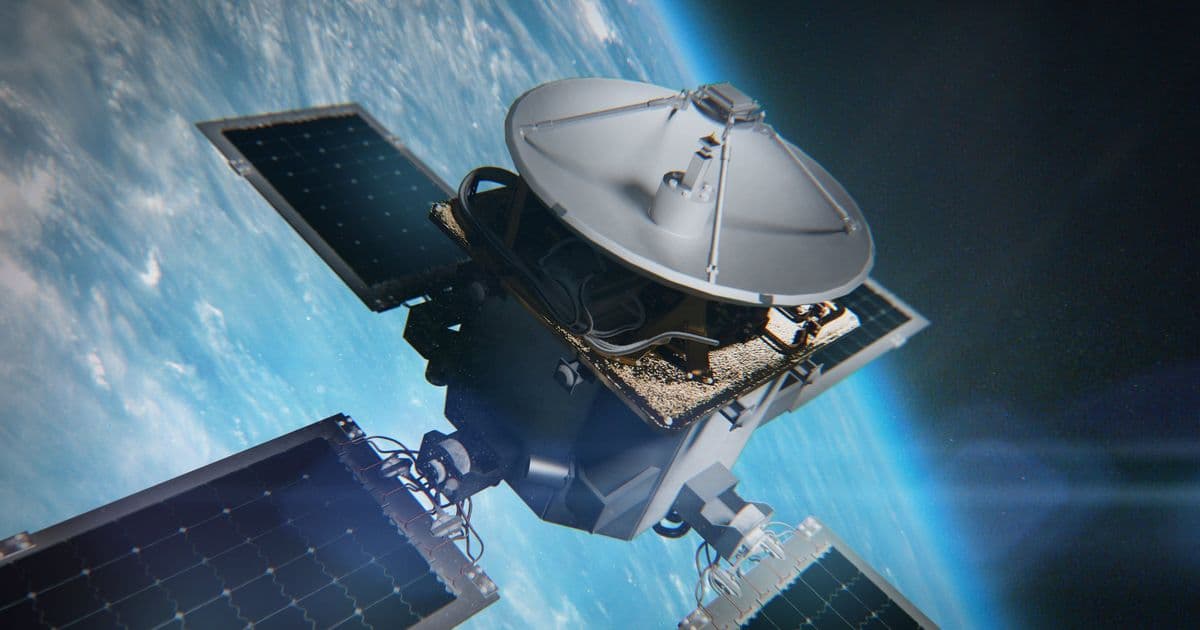
NASA and Johns Hopkins Applied Physics Laboratory are set to launch the Polylingual Experimental Terminal (PExT), a groundbreaking in-flight demonstration enabling spacecraft to 'roam' between government and commercial satellite networks for the first time. This innovation promises lower latency, reduced costs, and multi-access services for future missions, accelerating NASA's shift to commercial space infrastructure.
For decades, NASA has relied on its dedicated Tracking and Data Relay Satellite (TDRS) system for near-Earth communications—a robust but isolated infrastructure never designed for cross-network interoperability. As commercial satellite networks proliferate, this siloed approach has become a bottleneck, limiting flexibility and driving up costs. Enter the Polylingual Experimental Terminal (PExT), a collaborative effort between NASA and Johns Hopkins Applied Physics Laboratory. Slated for launch in late July 2025 alongside the TRACERS mission, PExT represents a quantum leap in space communications, poised to transform how spacecraft connect with Earth.
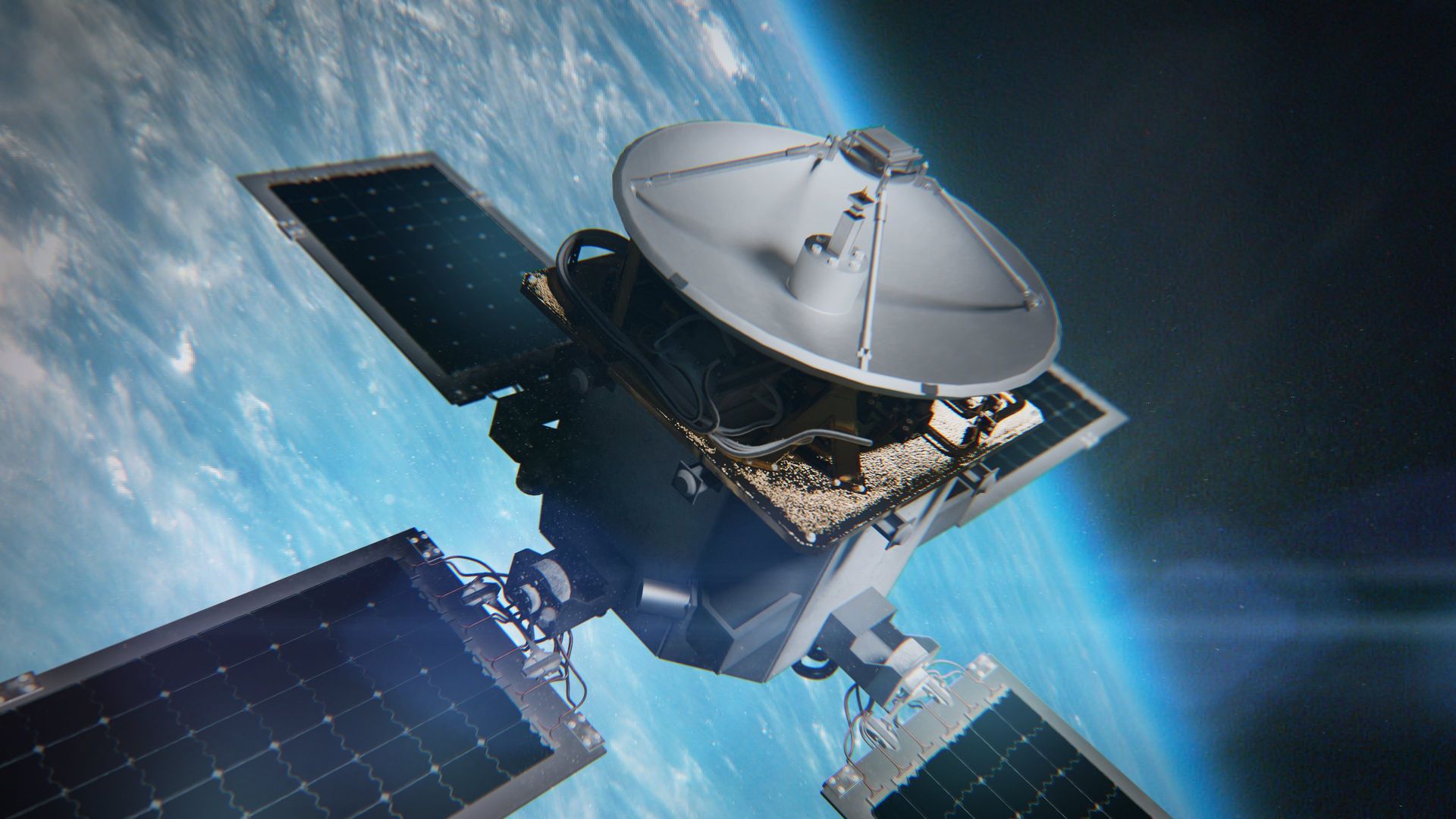 NASA's PExT payload features a compact two-foot antenna designed to enable seamless roaming across networks. Credit: NASA/Dave Ryan
At the heart of PExT is wideband polylingual terminal technology, which leverages software-defined radios to allow spacecraft to dynamically switch between government and commercial networks—much like a cell phone roams between carriers on Earth. This breakthrough addresses a critical gap: NASA's current systems can't natively integrate with emerging commercial providers such as SpaceX's Starlink or Amazon's Project Kuiper. During its demonstration, PExT will communicate across NASA's TDRS fleet and two commercial networks, validating capabilities that could slash latency by optimizing data paths and reduce costs by leveraging competitive commercial services.
'Just as cell phones evolved to jump from network to network without service interruption, future spacecraft could benefit from the same technology,' notes the NASA team. This isn't just incremental improvement—it's foundational for the agency's 'commercial-first' strategy. By 2028, NASA aims to transition most near-Earth missions to commercial communications, fostering a more resilient and scalable ecosystem.
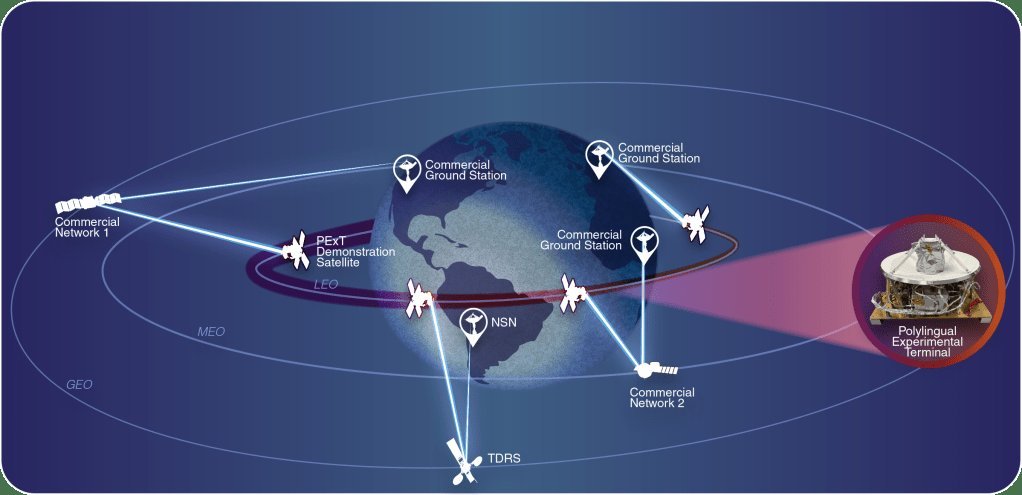 Conceptual graphic illustrating PExT's network roaming capabilities. Credit: NASA
The implications extend far beyond NASA. For developers and engineers, wideband terminals democratize space access by standardizing interoperability through software-defined interfaces. This could spur innovation in satellite design, enabling smaller missions to 'plug and play' with diverse networks without custom hardware. Cybersecurity pros should note the inherent risks—ensuring secure handovers between networks will be paramount—but the payoff includes enhanced bandwidth for real-time data from Mars rovers or climate satellites. As one industry expert puts it, 'This is the equivalent of upgrading from dial-up to broadband in space.'
Looking ahead, PExT's success could catalyze a new era where commercial and government networks coexist seamlessly, turning theoretical concepts like in-orbit servicing and lunar internet into tangible realities. For now, the mission underscores a broader trend: just as cloud computing revolutionized Earth-bound IT, the final frontier is embracing openness and agility.
Source: NASA's PExT Mission Overview
Comments
Please log in or register to join the discussion