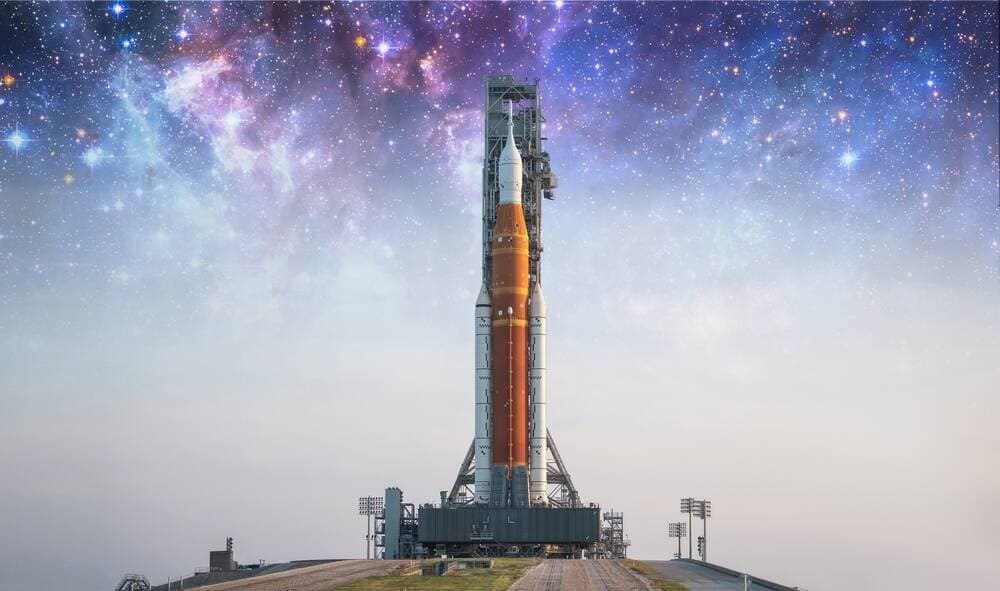
NASA's partial fill test of the Space Launch System revealed both progress and new challenges as engineers work to resolve persistent propellant leaks ahead of the Artemis II mission.
NASA engineers conducted a partial fill test of the Space Launch System (SLS) rocket over the weekend, achieving some objectives while encountering new technical challenges that could impact the timeline for the Artemis II mission to the Moon.
Partial success in leak investigation
The "confidence test" involved partially filling the SLS core stage with liquid oxygen to evaluate newly replaced seals at the propellant leak locations discovered during a previous Wet Dress Rehearsal (WDR). According to NASA, teams successfully gained confidence in several key test objectives, particularly at the core stage interfaces where leaks occurred during the earlier WDR.
The test was designed to validate repairs made to the rocket's propellant loading system, which uses liquid oxygen and hydrogen - propellants NASA has extensive experience handling from the Space Shuttle program. However, the final Space Shuttle launch occurred in 2011, creating a significant gap in operational experience with these systems.
New challenges emerge
Despite the partial success, engineers discovered a reduced flow of liquid hydrogen into the rocket. The issue was traced to a filter in the ground support equipment, which has since been replaced. NASA has not indicated whether another confidence test will be conducted before proceeding with the second WDR scheduled for February.
The reduced hydrogen flow represents a new complication in NASA's efforts to resolve the persistent leak issues that have plagued the SLS program. These problems are particularly concerning given the long intervals between SLS flights - measured in years rather than the months typical of the Space Shuttle program.
Artemis timeline implications
The Artemis II mission, which will use this SLS rocket, is currently targeted for launch in March at the earliest, with backup opportunities in April. However, the mixed results from the confidence test raise questions about whether this timeline remains achievable.
NASA Administrator Jared Isaacman acknowledged the challenges in a post on X (formerly Twitter), noting that problems were observed during the lead-up to Artemis I and that the extended duration between missions makes technical difficulties unsurprising.
Future design changes promised
Isaacman made a significant commitment regarding future missions, stating: "I will say near-conclusively for Artemis III, we will cryoproof the vehicle before it gets to the pad, and the propellant loading interfaces we are troubleshooting will be redesigned."
This promise addresses concerns about the current testing and troubleshooting approach, which requires the massive rocket to be transported to the launch pad for each test and correction cycle. Cryoproofing the vehicle before transport could significantly reduce the complexity and duration of pre-launch preparations.
Broader program challenges
The mixed results from the confidence test highlight the broader challenges facing NASA's Artemis program. The agency must balance the need for thorough testing and validation against the pressure to maintain momentum toward returning humans to the Moon.
The upcoming Artemis III mission faces additional complications, as it requires a lunar lander that NASA's Aerospace Safety Advisory Panel has expressed concerns about being ready in time. This uncertainty, combined with the technical challenges being experienced with the SLS, suggests that the ambitious Artemis timeline may face further delays.
Technical context
The SLS uses modified Space Shuttle main engines, which run on liquid oxygen and hydrogen propellants. While NASA has decades of experience with these propellants, the extended gap since the Shuttle program ended means that operational procedures and troubleshooting approaches must be relearned and refined.
The current approach of conducting tests at the launch pad, while thorough, is time-consuming and expensive. Isaacman's commitment to cryoproofing future vehicles before transport suggests a recognition that the current process may need fundamental changes to meet program timelines.
As NASA continues to work through these technical challenges, the success of the Artemis program - and America's return to the Moon - hangs in the balance. The mixed results from this confidence test serve as a reminder that space exploration remains a complex and challenging endeavor, even for an agency with NASA's experience and resources.
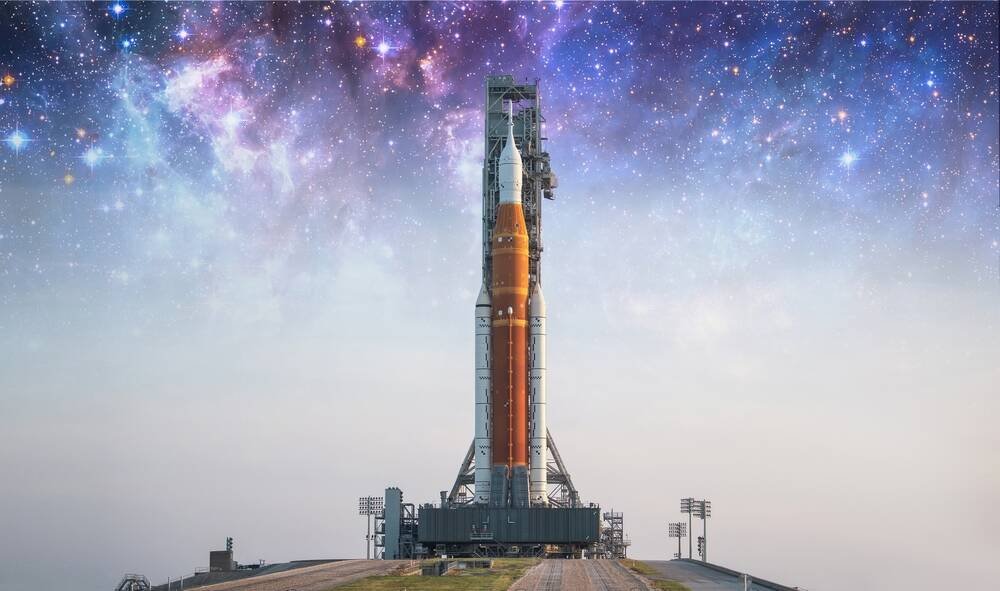
The Space Launch System stands ready for testing at Kennedy Space Center, representing both the promise and challenges of NASA's Artemis program.
Comments
Please log in or register to join the discussion