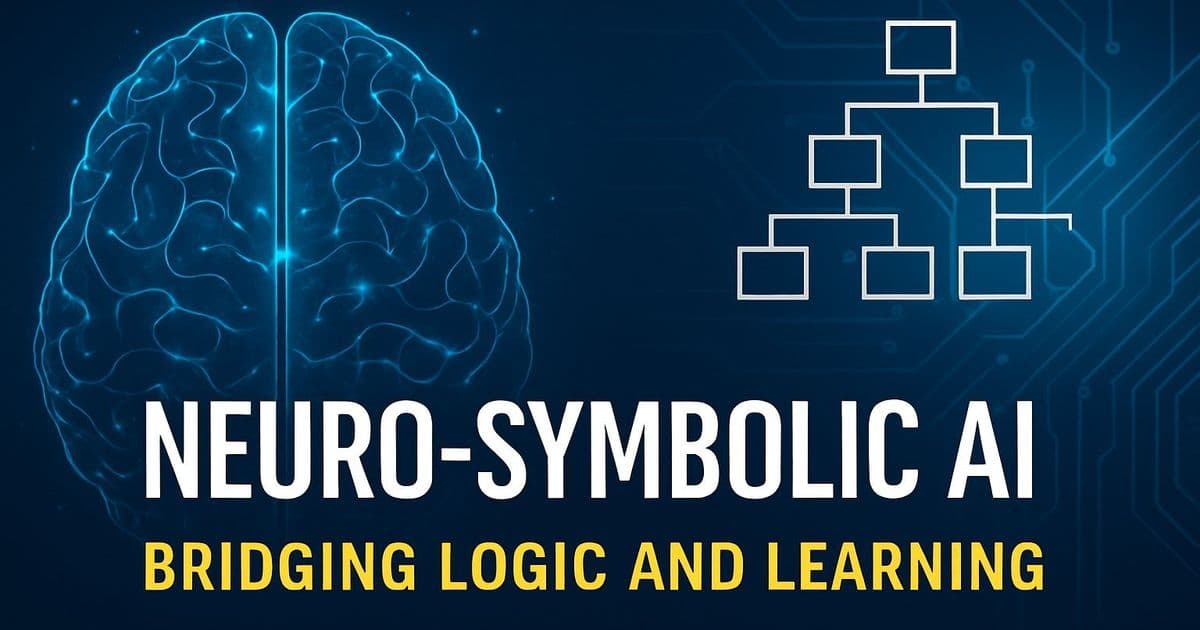
As deep learning grapples with 'black box' limitations, neuro-symbolic AI merges neural networks' pattern recognition with symbolic systems' logical reasoning to create auditable, transparent AI. This hybrid approach is gaining traction for high-stakes applications in healthcare, cybersecurity, and law, where explainability is non-negotiable. Pioneered by IBM, MIT, and DARPA, it represents a paradigm shift toward AI that doesn't just predict but justifies its decisions.
Neuro-Symbolic AI: Bridging the Gulf Between Data and Reason
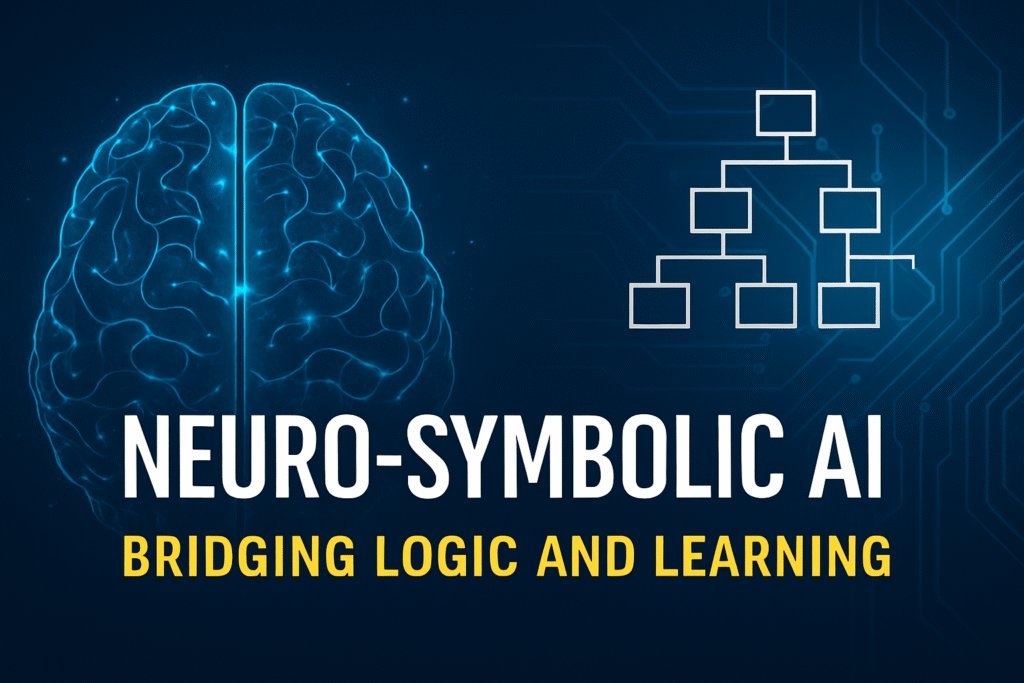 Illustration: A visual representation of neuro-symbolic AI, combining neural networks (left) and symbolic logic (right). (Source: BIHNG)
In an era dominated by large language models like ChatGPT, a quiet revolution is unfolding in AI research labs: neuro-symbolic artificial intelligence. This hybrid architecture fuses the statistical prowess of deep learning with the structured reasoning of classical symbolic AI, addressing one of modern AI's most critical flaws—its opacity. While neural networks excel at identifying patterns in data, they often operate as inscrutable 'black boxes,' making them unreliable for decisions where accountability matters. Neuro-symbolic AI changes that by enabling systems that learn and reason, providing a clear audit trail for every conclusion.
Why the Fusion Matters Now
Deep learning's limitations are stark:
- Uninterpretable decisions: Models can't explain why they generated an output.
- Poor reasoning: They struggle with logic, math, or scenarios requiring common sense.
- Data dependency: Performance plummets without vast, patterned datasets.
Neuro-symbolic systems counter this by integrating:
- Neural components: For perception tasks like image recognition or natural language processing.
- Symbolic engines: Rule-based frameworks that apply deductive logic and knowledge graphs.
The result? AI that not only detects a tumor in a medical scan but articulates the diagnostic criteria it applied, or a cybersecurity tool that flags a novel threat while referencing the attack vectors it inferred from symbolic rules.
Real-World Applications: Where Logic Meets Learning
1. Medical Diagnosis
Hospitals are piloting systems that pair neural networks (analyzing MRI scans or patient vitals) with symbolic AI (encoding clinical guidelines). This allows for real-time diagnostics with explanations like, "Tumor detected due to irregular margins (visual analysis) aligned with Rule 4.2 of oncology protocols."
2. Cybersecurity Evolution
 Emerging tools use neural nets to detect anomalous network behavior while symbolic layers map findings to known threat frameworks (e.g., MITRE ATT&CK). Analysts receive alerts like, "Behavior matches SQL injection pattern; risk elevated based on CVE-2025-1234 logic chain."
3. Education and Legal Tech
Adaptive learning platforms explain incorrect answers using curriculum rules, while legal AI cross-references case law databases (neural) with statutory logic (symbolic) to draft interpretable contracts.
4. Autonomous Systems
Robots leverage this for tasks like warehouse navigation: computer vision (neural) identifies obstacles, while symbolic planners reroute paths using safety constraints.
Leaders Driving the Shift
- IBM: Their Neuro-Symbolic Concept Learner classifies objects visually and symbolically explains its reasoning.
- MIT-IBM Watson Lab: Developing hybrid tutors that adapt lessons using student behavior data and pedagogical rules.
- DARPA: Funding the XAI program for military AI that operators can interrogate mid-mission.
"In the future, we won’t just ask AI for answers. We’ll ask it to show its work," notes a DARPA project lead, underscoring the demand for transparency.
The Road to Trustworthy AI
As regulations like the EU AI Act mandate explainability, neuro-symbolic architectures could retrofit existing LLMs. Imagine ChatGPT citing sources for its claims or Gemini avoiding hallucinations by grounding responses in verifiable knowledge graphs. For developers, this means new frameworks—such as logic-enhanced neural networks—will emerge, prioritizing auditability alongside accuracy. The true promise isn't just smarter AI, but AI we can trust with our health, security, and justice.
Source: BIHNG
Comments
Please log in or register to join the discussion