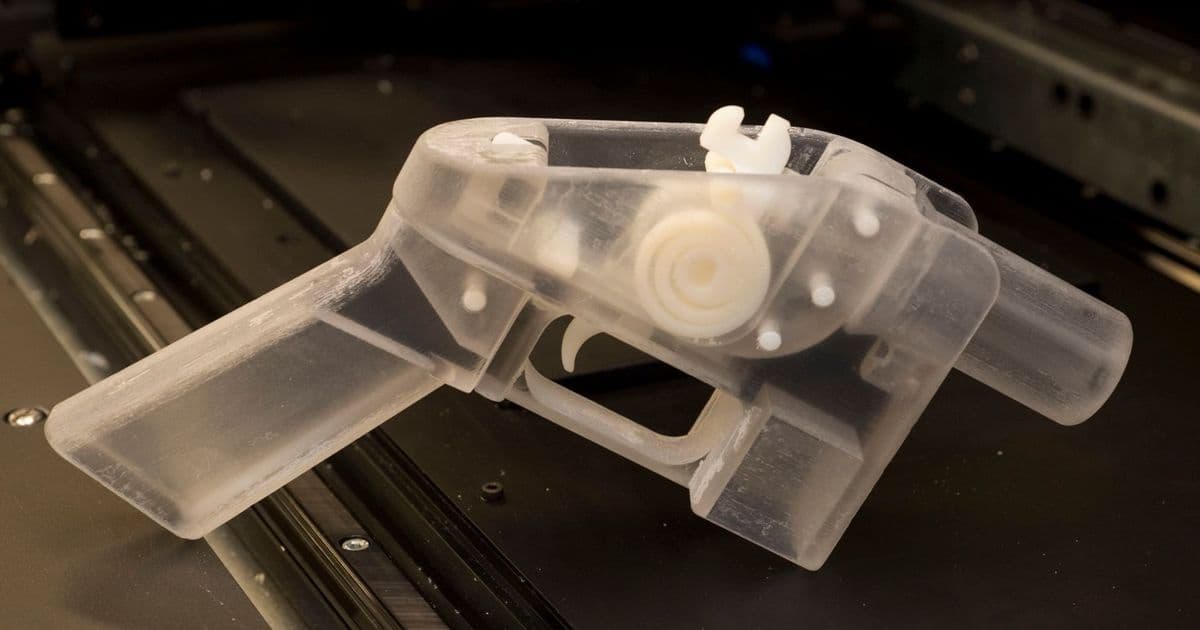
New York State's proposed law would require 3D printer manufacturers to implement software safeguards preventing firearm printing, while criminalizing the sharing of gun-related 3D files. The legislation represents a technical approach to curbing unserialized 'ghost guns' but faces challenges in enforcement and opposition from pro-gun advocates.
New York State Governor Kathy Hochul has introduced legislation that would fundamentally alter how 3D printers function at the software level, requiring manufacturers to implement technical safeguards that prevent the printing of firearms and their components. The proposal, announced in response to rising concerns about untraceable "ghost guns," represents one of the first attempts to regulate additive manufacturing hardware at the state level.
Technical Implementation Requirements
The proposed legislation mandates that 3D printer manufacturers incorporate detection and blocking capabilities into their machines' firmware. This would likely involve:
- File Analysis Algorithms: Software that scans 3D model files for firearm-like geometries before printing begins
- Component Recognition: Pattern matching systems that identify gun parts such as frames, receivers, and barrels
- Material Restrictions: Potential limits on printing certain high-strength polymers that could be used for functional firearm components
- Network Monitoring: For connected printers, systems that flag and report attempts to download or print weapon-related files
The technical challenge lies in creating algorithms that can accurately distinguish between firearm components and other objects with similar geometries. A simple AR-15 lower receiver, for example, shares dimensional characteristics with many mechanical parts and tools. False positives could block legitimate hobbyist printing, while false negatives would allow weapon production to continue.
The Ghost Gun Problem
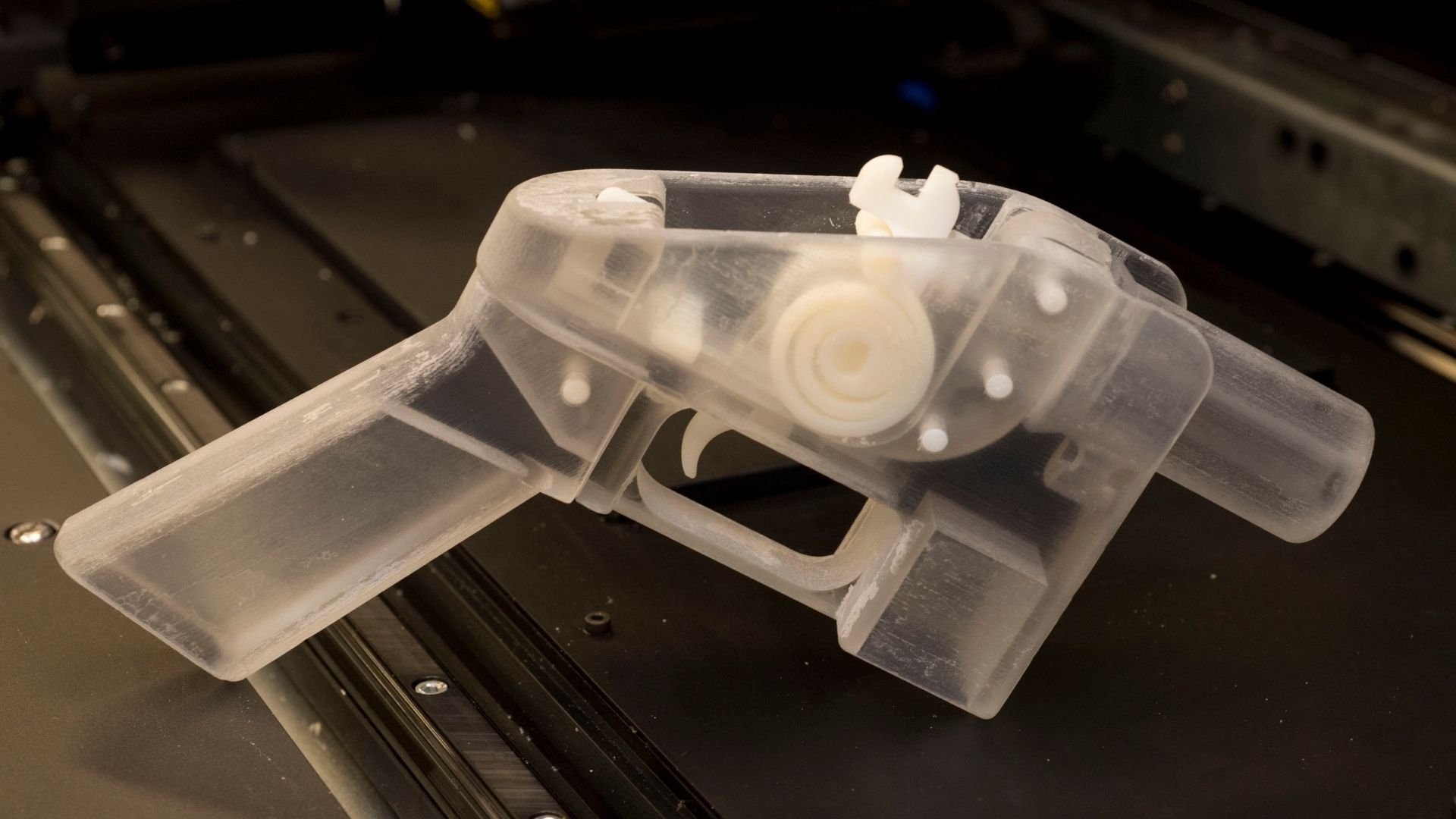
Ghost guns—firearms manufactured without serial numbers—have proliferated through the convergence of accessible 3D printing technology and readily available digital blueprints. Files for common firearms like the FGC-9 (a 9mm carbine) or various pistol frames can be downloaded from decentralized networks and printed using consumer-grade machines.
The economics are concerning: a functional 3D-printed pistol can be assembled for under $200 using off-the-shelf hardware components, bypassing background checks and registration requirements. The 2024 shooting of UnitedHealthcare CEO Brian Thompson, which involved a 3D-printed firearm, highlighted the potential for these weapons to appear in high-profile incidents.
Legislative Scope Beyond Printers
The New York proposal extends beyond hardware mandates:
- File Sharing Criminalization: Sharing 3D models containing firearm designs would become illegal unless the individual is authorized (likely meaning licensed manufacturers or law enforcement)
- Conversion Prevention: Gun manufacturers would be required to make it difficult to convert semi-automatic pistols to full automatic fire using 3D-printed components
- Supply Chain Accountability: The legislation creates liability for manufacturers whose machines are used to produce illegal firearms
Enforcement and Technical Realities
Manhattan District Attorney Alvin Bragg acknowledged that the measures won't completely solve the ghost gun problem but argued they would create friction in the production process. "These illegal firearms are being manufactured in homes and used in crimes right now," Bragg stated, emphasizing the need for multi-pronged approaches.
The technical enforcement faces significant hurdles:
- Open-Source Firmware: Many 3D printers run open-source firmware like Marlin or Klipper that users can modify to bypass restrictions
- Offline Printing: Printers not connected to the internet can download files via USB or SD card, making network-based monitoring ineffective
- International Manufacturing: 3D printers manufactured outside New York State would need to comply, requiring coordination with manufacturers globally
- Rapid File Modification: Slightly altering firearm component designs could potentially evade pattern recognition algorithms
Industry and Advocacy Response
Pro-gun advocates argue that targeting manufacturing technology addresses symptoms rather than root causes of violence. They contend that focusing on societal issues and existing gun control enforcement would be more effective than regulating 3D printers.
The 3D printing industry may face compliance costs if the legislation passes. Manufacturers like Prusa Research, Creality, and Bambu Lab would need to develop and implement new firmware for machines sold in New York, potentially creating different product lines for different markets.
Broader Implications for Additive Manufacturing
This legislation represents a precedent for regulating digital fabrication tools based on potential misuse rather than their intended function. Similar approaches could theoretically extend to other technologies:
- CNC machines that could produce firearm components
- Laser cutters capable of cutting weapon parts
- Advanced robotics that might assemble devices
The balance between technological innovation and public safety remains contentious. While the stated goal is reducing illegal firearms, the technical implementation raises questions about privacy, overreach, and the practical limits of software-based restrictions.
What Comes Next
If passed, the law would likely face legal challenges on multiple fronts, including First Amendment concerns about digital file sharing and potential conflicts with federal commerce regulations. The technical implementation timeline would also be significant—firmware development, testing, and deployment across millions of existing printers would take years.
For New York residents, the immediate impact would be increased scrutiny of 3D printer purchases and usage. The legislation signals a shift toward viewing additive manufacturing not just as a creative tool, but as a potential security concern requiring proactive regulation.
The debate continues as the proposal moves through legislative channels, with stakeholders from law enforcement, industry, and civil liberties groups all weighing in on how to address the ghost gun problem without stifling legitimate 3D printing innovation.
Comments
Please log in or register to join the discussion