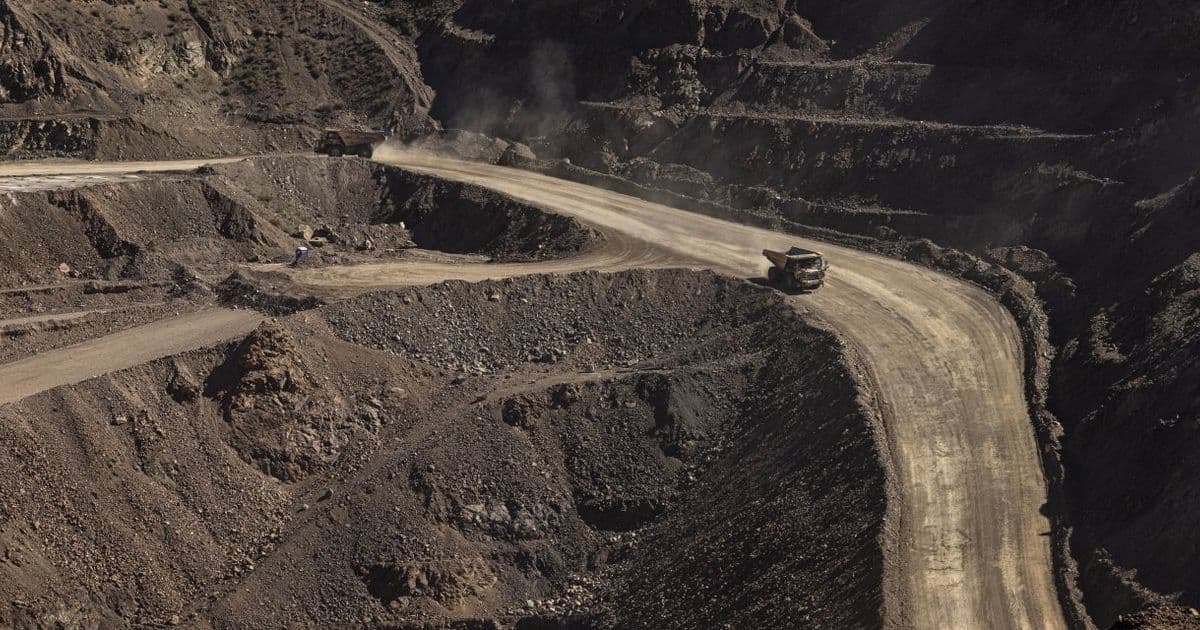
AWS's landmark deal with Rio Tinto for Arizona copper reveals a fundamental shift in tech infrastructure strategy. As AI data centers require unprecedented amounts of copper for power and cooling, cloud providers are moving upstream into raw material extraction, challenging traditional supply chains and raising questions about environmental impact and resource scarcity.
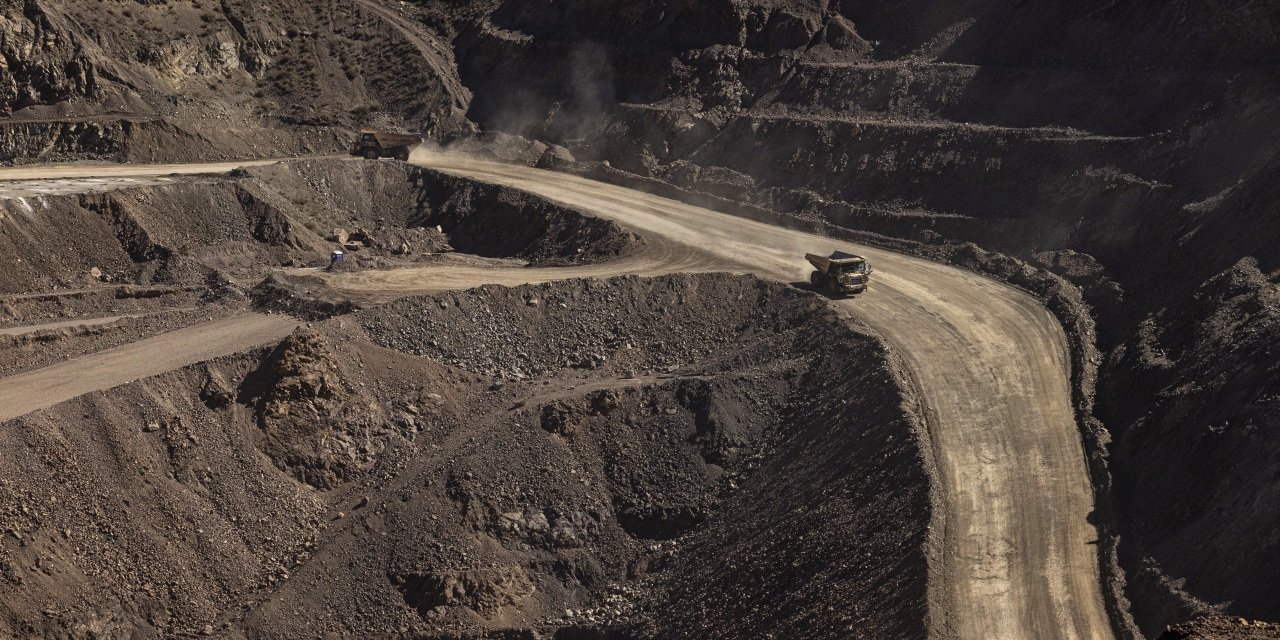
The announcement that AWS signed a two-year supply deal with Rio Tinto for copper from its Arizona mine might seem like a standard procurement story. But beneath the surface lies a fundamental shift in how tech giants approach infrastructure: they're no longer just buying copper—they're securing it at the source, in America's first new copper mine in over a decade.
This move by Amazon's cloud division represents more than a supply chain optimization. It's a recognition that the AI revolution has a physical component that can't be solved with software alone. Each new data center requires massive amounts of copper for power distribution, cooling systems, and networking infrastructure. Industry estimates suggest AI data centers can consume 10-20 times more copper than traditional facilities, with some projections indicating global copper demand for data centers could reach 1 million metric tons annually by 2030.
The Physical Reality of AI Infrastructure
While headlines focus on model parameters and compute power, the physical infrastructure supporting AI has become a critical bottleneck. Copper remains the backbone of electrical systems due to its superior conductivity and reliability. A typical hyperscale data center contains hundreds of miles of copper wiring, with power distribution alone requiring substantial amounts of the metal.
The Rio Tinto deal involves a novel extraction method using bacteria and acid to process copper from ore—a technique that's both more environmentally intensive and potentially more efficient than traditional smelting. This approach, known as bioleaching, has been used in mining for decades but represents a middle ground between conventional extraction and more experimental methods.
Why Tech Giants Are Going Direct
Traditional procurement models are breaking down under AI's demands. The copper market has seen significant volatility, with prices fluctuating based on global supply chain disruptions and increasing demand from multiple sectors including electric vehicles and renewable energy infrastructure.
By securing a direct supply agreement, AWS gains several advantages:
- Price stability: Long-term contracts hedge against market volatility
- Supply certainty: Direct relationships reduce dependency on intermediaries
- Geographic control: Domestic sourcing mitigates geopolitical risks
- Sustainability claims: Direct oversight allows for better environmental reporting
However, this approach also introduces new complexities. Mining operations carry significant environmental and social responsibilities that cloud providers must now manage directly, rather than deferring to suppliers.
The Broader Pattern: Vertical Integration 2.0
This deal fits into a larger pattern of tech companies vertically integrating critical components of their infrastructure. We've seen similar moves in:
- Semiconductors: Apple designing its own chips, Google developing TPUs
- Energy: Google and Microsoft investing in renewable energy projects
- Networking: AWS building its own fiber optic networks
The copper deal represents the next logical step: securing raw materials. It's a move that mirrors historical industrial consolidation but with a 21st-century twist—driven by AI's unique physical demands rather than traditional manufacturing needs.
Counter-Perspectives and Concerns
Not everyone views this vertical integration positively. Environmental groups have raised concerns about the bioleaching process used at the Arizona mine, which, while less carbon-intensive than smelting, still involves chemical processes that require careful management of waste products.
Some industry analysts question whether direct involvement in mining is sustainable for tech companies. "Cloud providers are fundamentally software and service companies," notes one infrastructure analyst. "Getting into mining introduces operational risks and expertise gaps that could distract from their core business."
There's also the question of whether this approach scales. A single mine can't meet the entire industry's needs, and if every major cloud provider follows suit, we could see a fragmented mining landscape with competing claims on the same resources.
The Supply Chain Ripple Effects
The AWS-Rio Tinto deal may trigger similar arrangements across the industry. Microsoft and Google have already been investing in sustainable supply chains, but direct mineral sourcing represents a more aggressive approach.
This could reshape the mining industry itself. Traditional miners might find themselves competing with tech companies for talent, technology, and investment. The bioleaching technology used in Arizona, for instance, could see accelerated development as tech companies seek more efficient extraction methods.
Environmental and Social Implications
The move toward direct sourcing raises important questions about corporate responsibility. Mining operations, even with advanced techniques, have environmental impacts. AWS will need to demonstrate that its supply chain meets sustainability standards, a challenge given the complexity of mining operations.
There's also the social dimension. The Arizona mine represents a new source of employment in a region that has seen mining decline over recent decades. However, the transition to automated and technology-driven mining means the jobs created may require different skills than traditional mining roles.
Looking Ahead: The Resource Race
The AWS deal may be just the beginning. As AI models grow larger and more complex, the physical infrastructure requirements will continue to increase. Some experts predict that data centers could become the largest single consumers of copper within the next decade, competing directly with transportation and construction sectors.
This resource competition could drive innovation in both extraction technology and alternative materials. Research into aluminum and fiber optic alternatives for certain applications is already underway, though copper's combination of conductivity, reliability, and cost-effectiveness makes it difficult to replace in critical applications.
The Bigger Picture
What's happening here represents a fundamental rethinking of how technology companies operate. The cloud was built on the premise of abstracting away physical infrastructure, but AI is forcing a return to physical reality. The algorithms may be virtual, but they require massive amounts of copper, steel, concrete, and energy to function.
The AWS-Rio Tinto deal is a signal that the industry recognizes this reality and is adapting accordingly. It's a pragmatic response to a supply chain challenge, but also a strategic move that could redefine the relationship between tech companies and the physical world.
As other companies watch this experiment unfold, we may see more tech giants moving upstream in their supply chains, not just for copper but for other critical materials. The question isn't whether this trend will continue—it's how quickly and how far it will go.
The copper flowing from Arizona to AWS data centers represents more than just a commodity transaction. It's a tangible connection between the digital future we're building and the physical resources required to make it possible. In the age of AI, even the most advanced algorithms are only as reliable as the copper wires that power them.
Related: AWS European Sovereign Cloud Launch, TSMC's Record Q4 Results, GlobalFoundries Acquires Synopsys ARC IP
Comments
Please log in or register to join the discussion