
The Nuclear Regulatory Commission has licensed X-energy's TRISO-X subsidiary to manufacture specialized nuclear fuel pellets, clearing a critical regulatory pathway for Amazon-backed small modular reactors.
The Nuclear Regulatory Commission (NRC) issued a license under 10 CFR Part 70 to X-energy's subsidiary TRISO-X on February 14, 2026, authorizing the manufacturing of high-assay low-enriched uranium (HALEU) TRISO fuel pellets. This regulatory approval represents a pivotal step toward commercial deployment of small modular reactors (SMRs) for datacenter operators like Amazon, which invested $500 million in X-energy's reactor technology in 2024.
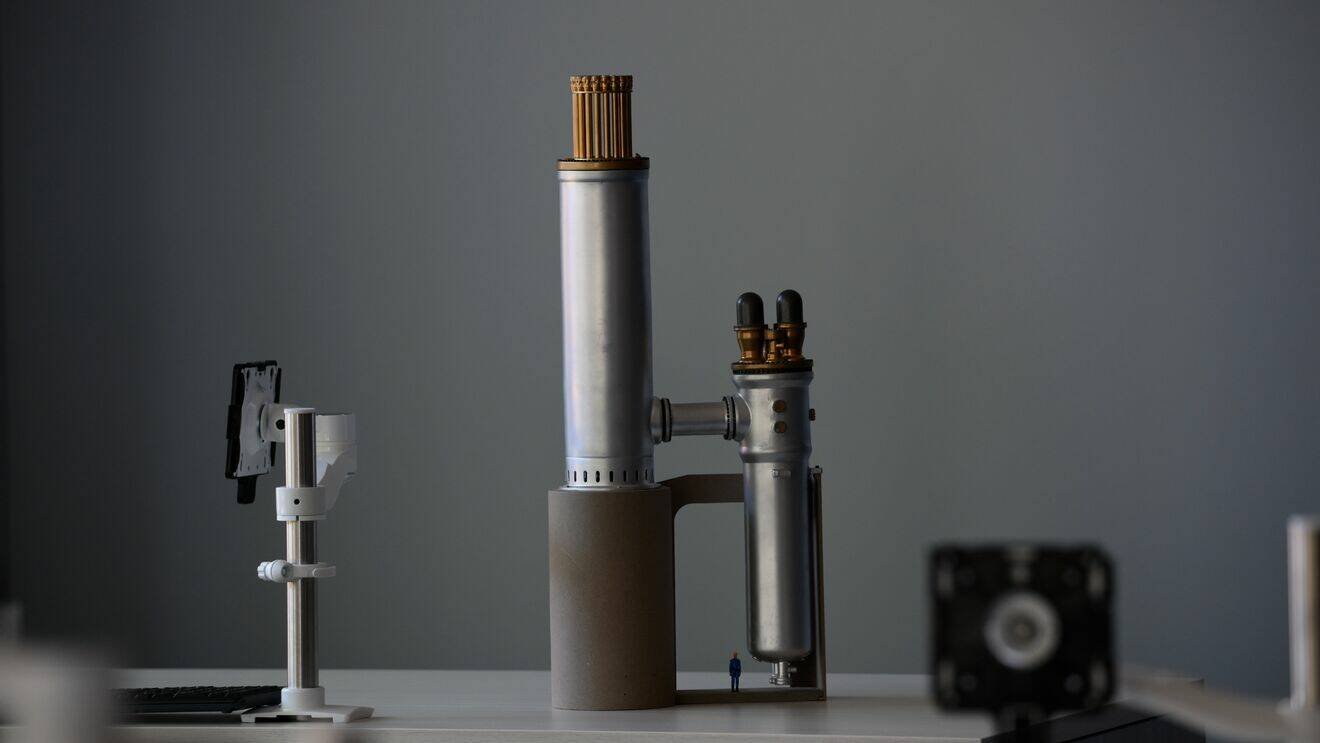
The license permits TRISO-X to establish manufacturing operations at its TX-1 facility in Oak Ridge, Tennessee—the first such approval for advanced reactor fuel production in five decades. Under 10 CFR Part 70, which governs special nuclear material licensing, the facility must implement rigorous material control and accounting systems, physical protection measures, and radiation safety protocols. The TRISO fuel design encapsulates uranium particles in triple-coated isotropic (TRISO) layers of carbon and ceramic materials, providing inherent safety by containing fission products even at extreme temperatures.
Compliance requirements mandate completion of facility construction before operational commencement. X-energy expects to finish building TX-1 in late 2026, after which the NRC will conduct an on-site inspection to verify safety systems and procedural adherence. Only upon passing this inspection may fuel production begin. The manufacturing process involves embedding TRISO particles into graphite pebbles roughly the size of billiard balls, with each Xe-100 reactor requiring continuous circulation of hundreds of thousands of pebbles to generate 80 megawatts of power.
Production timelines require TX-1 to manufacture approximately 700,000 fuel pebbles annually—sufficient for 11 reactors. A second facility (TX-2) currently in design phase will expand capacity substantially. Fuel delivery obligations under Amazon's contract for 5 gigawatts of power must be fulfilled by 2039, with initial reactor deployments scheduled for the early 2030s. Licensees must maintain continuous NRC compliance through record-keeping of material inventories, regular audits, and immediate reporting of safety incidents under 10 CFR Part 70.73.
This regulatory milestone establishes a framework for commercial-scale TRISO production essential for next-generation nuclear deployments. The inherent safety characteristics of TRISO fuel allow streamlined deployment near high-demand zones like datacenters, though operators must still comply with NRC oversight throughout the fuel lifecycle—from fabrication through transportation and reactor operation.
Comments
Please log in or register to join the discussion