
A landmark $1 billion partnership between Nvidia and Eli Lilly aims to accelerate drug discovery through AI, reflecting pharma's growing embrace of generative models despite persistent scientific and regulatory hurdles.
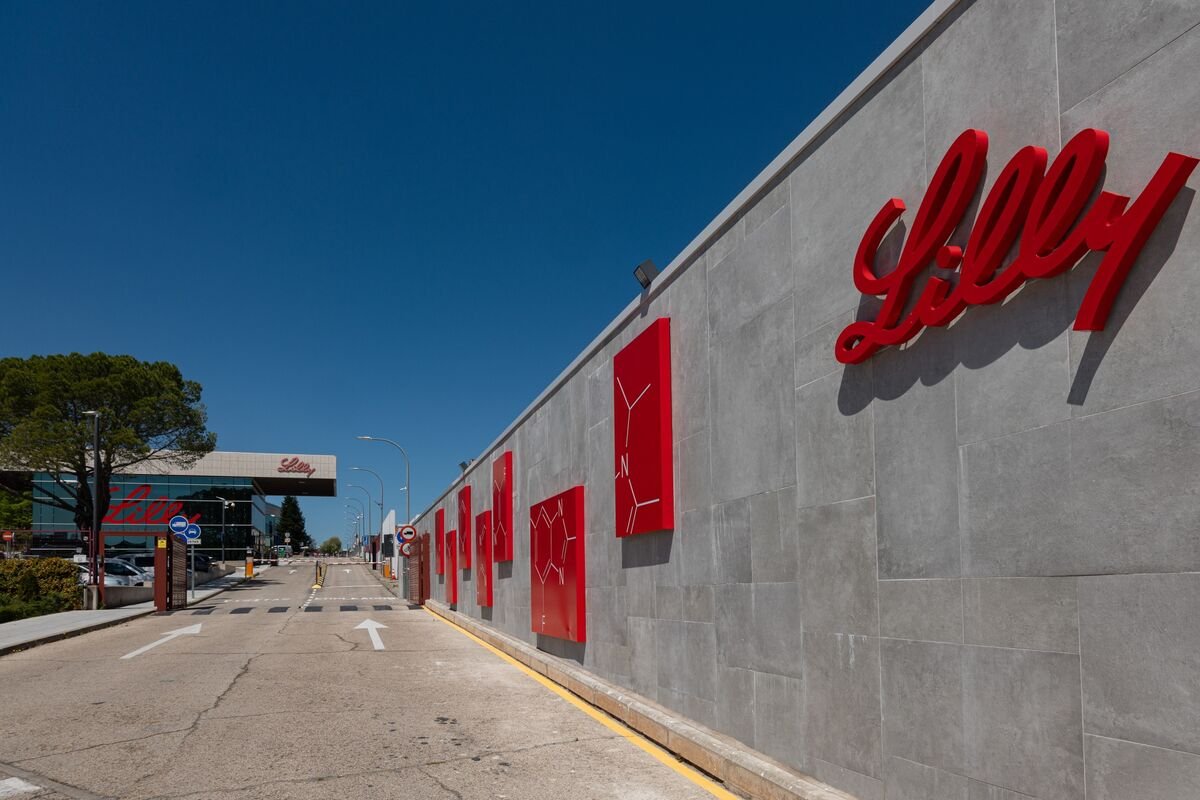
The announcement of Nvidia and Eli Lilly's five-year, $1 billion investment in a Silicon Valley AI laboratory marks a watershed moment for computational drug discovery. This collaboration positions generative AI as a core methodology in pharmaceutical R&D, leveraging Nvidia's hardware prowess and Eli Lilly's therapeutic pipelines. The joint lab will focus on simulating molecular interactions and optimizing clinical trial designs using large language models trained on biological datasets. While proponents hail this as a breakthrough for accelerating drug development timelines, the initiative also surfaces critical questions about data integrity, validation frameworks, and the practical limits of AI in complex biological systems.
Pharmaceutical companies increasingly view AI as a solution to the sector's dual crises of soaring R&D costs and declining drug approval rates. Generative models can propose novel drug candidates by analyzing protein structures and predicting binding affinities—tasks traditionally requiring years of laboratory work. Nvidia's involvement provides essential infrastructure: its DGX Cloud platforms and BioNeMo framework specialize in training biomedical LLMs, while Eli Lilly contributes proprietary datasets from its diabetes and Alzheimer's research. Early projects will target metabolic disorders, with both companies committing staff and intellectual property to the venture.
Adoption signals are unmistakable. Over 90% of large pharma firms now deploy AI in preclinical research, with investments surging 485% since 2020 according to Nature Reviews Drug Discovery. The Lilly-Nvidia partnership extends beyond typical vendor relationships into co-development territory, echoing Recursion Pharmaceuticals' $50M collaboration with Nvidia last year. Such alliances suggest a maturing ecosystem where tech providers share both risks and rewards—a shift from earlier fee-for-service AI contracts.
However, counter-perspectives highlight formidable obstacles. First, biological data remains fragmented and noisy. As Dr. Daphne Koller, CEO of Insitro, notes: "AI models hallucinate molecular structures just as they invent false historical facts." Without standardized, high-quality training data—a challenge Eli Lilly must address—predictive accuracy suffers. Second, regulatory pathways for AI-generated compounds remain undefined. The FDA's recent draft guidance on Computer Software Assurance offers little specificity for generative drug discovery, creating approval uncertainties. Third, computational costs remain prohibitive; training a single drug-targeting model on Nvidia's infrastructure can exceed $2 million, raising questions about scalability beyond deep-pocketed corporations.
Critically, past hype cycles loom large. BenevolentAI's 2022 psoriasis drug candidate failed Phase II trials despite promising AI predictions, while Exscientia's A2a receptor inhibitor recently disappointed in oncology trials. Such outcomes underscore that biological complexity often defies algorithmic reductionism. As one Johns Hopkins bioinformatician quipped: "We've replaced 'Eureka!' moments with '404 Error' messages."
Despite these headwinds, the collaboration's scale suggests enduring confidence. By combining Nvidia's iterative model-training capabilities with Lilly's clinical validation expertise, the partners aim to establish reproducible protocols for AI-generated therapeutics. Success could democratize tools for smaller biotechs through API access, while failure might cool investor enthusiasm for computational biology. As pharmaceutical AI transitions from pilot projects to billion-dollar bets, this lab becomes a crucial test case for whether silicon can truly accelerate biology's clock.
Comments
Please log in or register to join the discussion