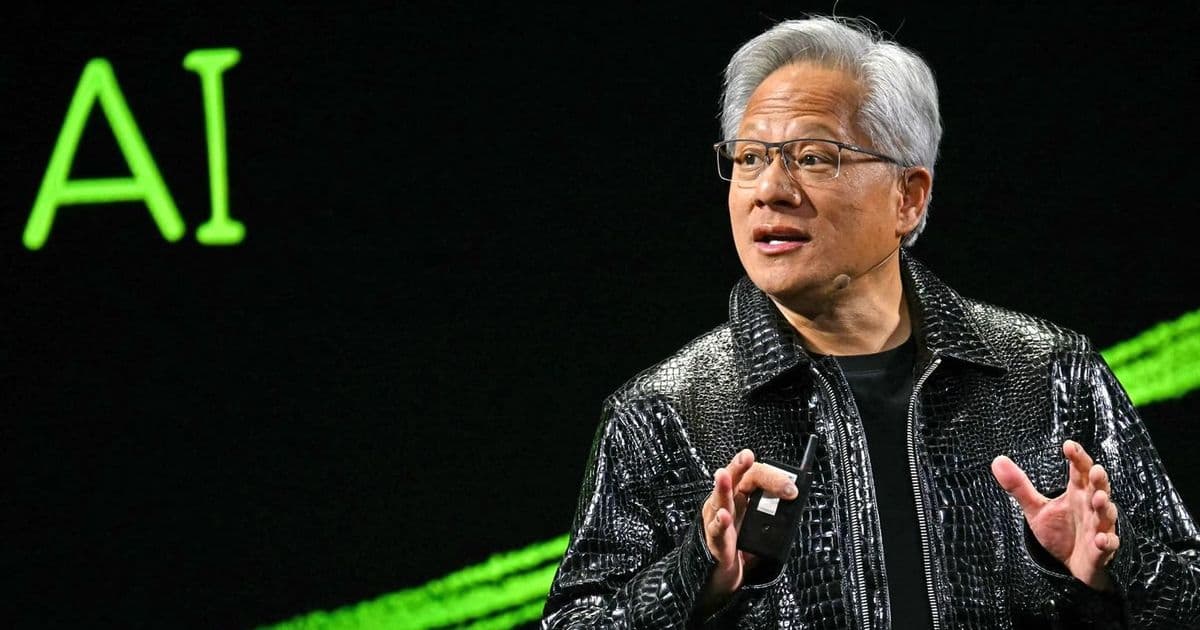
Jensen Huang's rare essay signals massive AI infrastructure expansion ahead, with implications for chip demand, data centers, and the broader tech ecosystem.
Nvidia CEO Jensen Huang has published a rare essay outlining his vision for artificial intelligence's future, warning that the industry is only at the beginning of what he calls "the biggest buildout" of AI infrastructure yet to come.
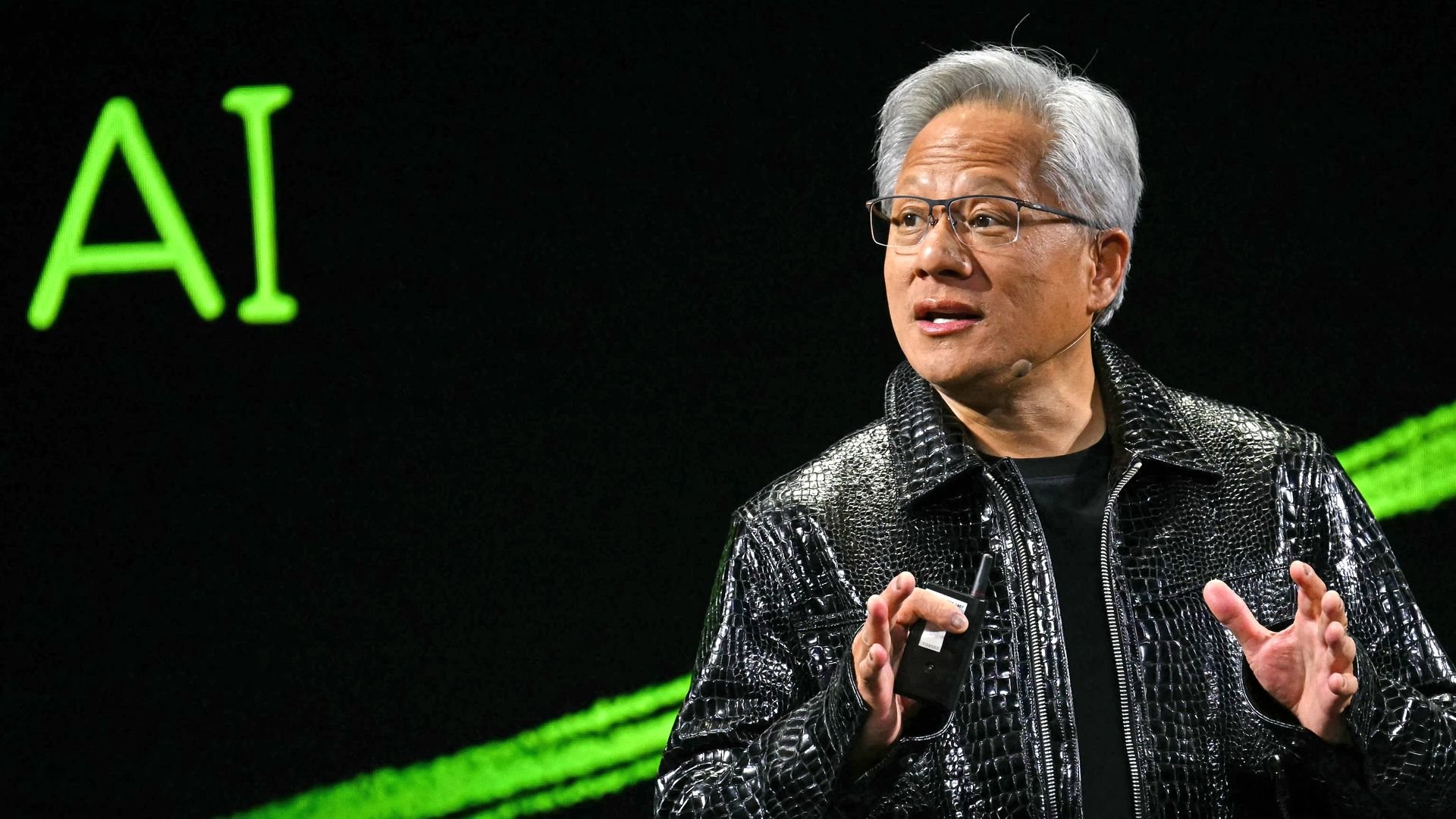
Huang's essay, released through Nvidia's channels, comes at a critical juncture for the AI industry. After years of explosive growth in AI adoption and infrastructure investment, the Nvidia founder and CEO suggests that current spending and development represent just the opening act of a much larger transformation.
The Scale of What's Coming
According to Huang, the current AI buildout—which has already seen hundreds of billions in data center investments and chip purchases—represents only a fraction of what's needed. He points to several factors driving this continued expansion:
Enterprise adoption acceleration: While consumer AI applications have captured headlines, Huang emphasizes that enterprise integration of AI systems is just beginning to scale. Companies across industries are moving from pilot programs to full deployment, requiring substantial additional infrastructure.
Model complexity growth: As AI models become more sophisticated, they demand exponentially more computing power. Huang notes that frontier models are already pushing the boundaries of current hardware capabilities, necessitating next-generation chips and systems.
Global competition: The AI race between nations and corporations is intensifying, with Huang suggesting that infrastructure investment will become a key competitive advantage in the coming decade.
Five Key Takeaways from Huang's Vision
1. Chip Demand Will Continue Its Explosive Growth
Huang's essay makes clear that demand for Nvidia's GPUs and other AI chips will remain robust for years to come. He projects that the current chip shortage, while easing in some areas, will be replaced by sustained high demand as AI applications proliferate across every sector of the economy.
2. Data Center Infrastructure Is Still in Early Stages
Despite the massive data center construction underway globally, Huang argues that current facilities represent only a small fraction of what will be needed. He envisions a future where AI-optimized data centers become as ubiquitous as traditional ones, with specialized designs for different AI workloads.
3. Software Ecosystem Development Is Critical
While hardware gets much of the attention, Huang emphasizes that the software layer enabling AI deployment is equally important. He highlights Nvidia's investments in software tools, frameworks, and platforms that make AI more accessible and efficient.
4. Energy Infrastructure Will Be a Bottleneck
One of the more sobering aspects of Huang's essay addresses the energy requirements of expanded AI infrastructure. He notes that power availability and sustainability will become critical constraints on AI growth, requiring innovations in both efficiency and energy generation.
5. The AI Divide Will Widen
Huang warns that organizations and nations that move quickly to build AI infrastructure will gain significant advantages, potentially creating a widening gap between AI leaders and laggards. This dynamic could reshape global economic and technological power structures.
Market Implications
The essay has immediate implications for investors and industry participants. Nvidia's stock price has already reflected optimism about AI growth, but Huang's vision suggests that current valuations may still underestimate the long-term opportunity.
For competitors, the message is clear: the AI chip market that Nvidia currently dominates is about to get much larger, but also much more competitive as others race to capture their share of the expanding pie.
The Road Ahead
Huang's essay serves as both a roadmap and a warning. The AI revolution he describes will require unprecedented levels of investment, innovation, and coordination across the technology industry and beyond.
As companies, governments, and investors digest his vision, the question becomes not whether to invest in AI infrastructure, but how quickly and at what scale. Huang's answer is unambiguous: the biggest buildout is still ahead, and the time to prepare is now.
Comments
Please log in or register to join the discussion