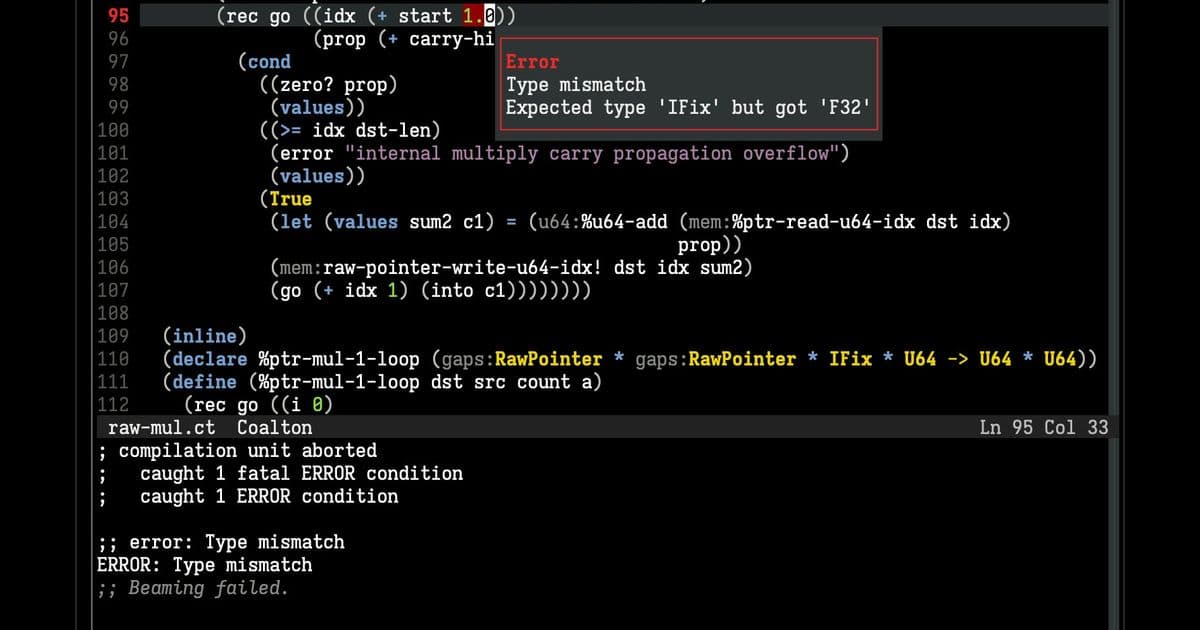
mine presents a thoughtful solution to a long-standing challenge in the Lisp ecosystem: the intimidating complexity of setting up a development environment. By creating a specialized, all-in-one IDE that eliminates the traditional Emacs+SLIME learning curve, the developers aim to make Coalton and Common Lisp accessible to newcomers while maintaining utility for experienced programmers.
The introduction of mine represents a significant philosophical shift in how we approach development environments for specialized programming languages. In a landscape dominated by extensible, all-purpose editors like Emacs and VSCode, mine stands apart as a purpose-built tool with a singular focus: making Coalton and Common Lisp development accessible to everyone, regardless of their prior experience with Lisp or complex editor configurations.
At its core, mine addresses what the article identifies as the most significant barrier to entry in the Lisp ecosystem: the multi-layered setup process. The traditional path to Coalton development involves navigating ASDF or Quicklisp, understanding Common Lisp fundamentals, mastering SLIME, and becoming comfortable with Emacs—a steep learning curve that can consume hours of configuration before writing a single line of code. mine eliminates this complexity by providing a complete, single-download application that includes everything needed for interactive and incremental development.
The pedagogical approach embedded in mine is particularly noteworthy. Unlike many development tools that assume prior knowledge, mine is designed with discoverability at its forefront. The inclusion of integrated lessons for structural editing—a unique aspect of Lisp programming enabled by its parenthetical syntax—demonstrates a deep understanding of the learning challenges newcomers face. This focus on education extends to the interface design, which aims to make the development workflow transparent and understandable at all times.
What makes mine particularly interesting is its deliberate conservatism in design. In an era of increasingly customizable and extensible editors, mine takes the opposite approach, limiting customization to genuine accessibility needs. This philosophy extends to its keybindings, which use familiar combinations like Ctrl+c and Ctrl+v rather than adopting editor-specific conventions. This choice reflects a recognition that differentiating features should come from the language and development experience itself, not from the complexity of the tool.
The article's comparison to other Lisp-focused editors like Lem and Alive is insightful. While these projects aim to create "next generation Emacs" alternatives, mine carves its own niche by being explicitly Coalton and Common Lisp-first. This specialization allows for a more streamlined experience that doesn't require users to unlearn previous editor workflows or adapt to Emacs-like conventions. The developers explicitly position mine as a tool that can serve both as an entry point for beginners and a lasting fixture in professional workflows—a difficult balance that few development tools successfully achieve.
The privacy stance taken by mine is particularly refreshing in today's landscape of data-hungry applications. With no telemetry, ads, or server connections, mine represents a return to a time when development tools were focused on their core function rather than data collection or monetization. This approach aligns with the values of many in the Lisp community, which has historically valued autonomy and control over one's development environment.
However, mine's current alpha status presents both opportunities and challenges. The acknowledgment that the tool still has "papercuts, missing features, pedagogical missteps, and bugs" is honest and appropriate. While the developers have done extensive testing with 15 incremental alpha versions, the path to v1.0.0 will likely involve addressing many of these issues. The question remains whether mine can evolve to meet the needs of professional developers while maintaining its beginner-friendly approach.
The broader implications of mine extend beyond the Coalton and Common Lisp communities. In a world where general-purpose editors increasingly dominate, mine represents a counter-trend toward specialized tools optimized for specific languages and workflows. This approach acknowledges that different programming paradigms and languages may benefit from different interaction models rather than forcing everything into a single, generalized interface.
For those interested in exploring mine, the official homepage offers downloads for Windows, macOS, and Linux platforms. The developers' invitation to "give mine a try" comes with the understanding that this is an alpha product, but one that already shows promise in addressing a real pain point in the Lisp ecosystem.
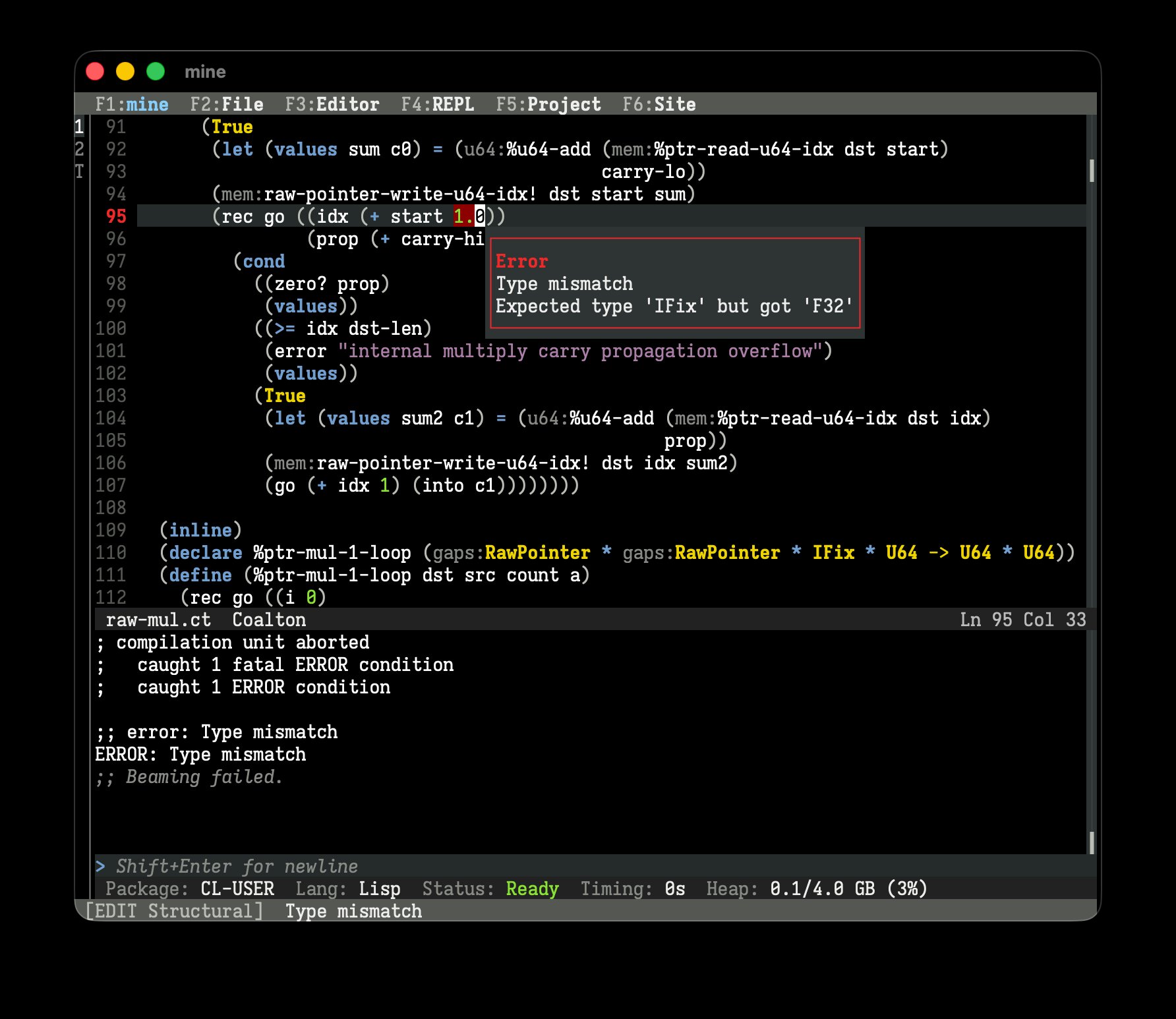
As the Lisp community continues to evolve, tools like mine may play an important role in attracting new developers to these powerful but often intimidating languages. By removing the friction of environment setup and providing a clear path from beginner to proficient user, mine could help ensure that the unique advantages of Lisp programming remain accessible to future generations of programmers.
Comments
Please log in or register to join the discussion