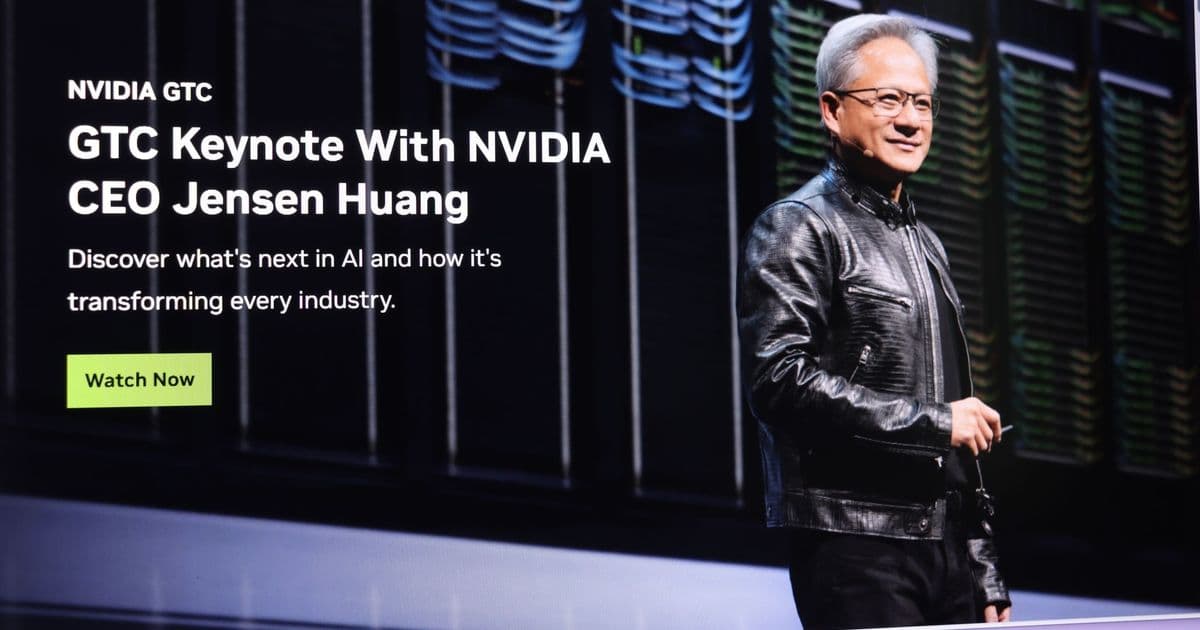
Nvidia's GTC 2026 keynote unveiled Rubin AI platform, DLSS 5, and open model initiatives, signaling major advances in AI infrastructure and gaming graphics.
Nvidia's GPU Technology Conference (GTC) 2026 kicked off in San Jose, California, with CEO Jensen Huang delivering a two-hour keynote that showcased the company's latest AI innovations and roadmap. The conference, running from March 16-19, brings together developers, researchers, and industry leaders to explore cutting-edge artificial intelligence technologies.
Rubin Platform and Next-Gen AI Infrastructure
The centerpiece of Huang's presentation was the unveiling of the Rubin platform, Nvidia's next-generation AI system designed to handle multi-agent workloads and complex AI reasoning tasks. The Rubin platform represents a significant leap forward in AI processing capabilities, with Huang emphasizing its role in enabling more sophisticated AI applications across industries.
"Open models are the lifeblood of innovation and the engine of global participation in the AI revolution," Huang stated during his keynote, highlighting Nvidia's commitment to open-source AI development. This philosophy underpins the Rubin platform's architecture, which is built to support diverse AI models and frameworks.
HBM4 Memory Breakthrough
One of the most technically impressive announcements was the HBM4 36GB 12H stack, which runs at over 11 Gb/s pin speeds, delivering bandwidth greater than 2.8 TB/s. This represents a substantial improvement in memory bandwidth for AI workloads, addressing one of the critical bottlenecks in high-performance computing.
The new HBM4 technology enables faster data transfer between memory and processing units, which is crucial for training large language models and running complex AI inference tasks. This advancement positions Nvidia to maintain its leadership in AI acceleration as model sizes and computational demands continue to grow exponentially.
Intel Collaboration on DGX Rubin
In a significant industry partnership announcement, Intel revealed that its Xeon 6 processor will serve as the host CPU in Nvidia's DGX Rubin NVL8 systems. This collaboration brings together Intel's CPU expertise with Nvidia's GPU leadership, creating a powerful combination for enterprise AI infrastructure.
The DGX Rubin systems are designed for data centers and research institutions that require massive computational power for AI training and inference. By integrating Intel's Xeon 6 processors, Nvidia can offer more complete solutions that optimize the entire computing stack from CPU to GPU.
DLSS 5: Next Generation Gaming Graphics
Gaming enthusiasts received exciting news with the announcement of DLSS 5 (Deep Learning Super Sampling), the next iteration of Nvidia's AI-powered graphics technology. DLSS 5 promises to make games look even more realistic by leveraging advanced AI algorithms to enhance image quality while maintaining high frame rates.
The new DLSS 5 technology builds on previous versions by incorporating more sophisticated neural networks and machine learning techniques. This allows for better upscaling, improved anti-aliasing, and more natural-looking graphics in supported games. As games become increasingly complex and demanding, DLSS 5 helps ensure that players can enjoy high-quality visuals without requiring the most expensive hardware.
NemoClaw: Advancing AI Autonomy
Nvidia also introduced NemoClaw, a new framework designed to give AI tools more independence and enable them to perform more tasks without direct human supervision in corporate settings. This technology represents a step toward more autonomous AI systems that can handle complex workflows and decision-making processes.
NemoClaw could be particularly valuable for enterprise applications where AI assistants need to navigate multiple systems, understand context, and execute tasks with minimal oversight. This aligns with the broader industry trend toward more capable and autonomous AI agents.
Market Impact and Industry Response
The announcements at GTC 2026 have already begun influencing the AI hardware market. Six commercial space companies are reported to have already deployed the platform, indicating strong initial adoption from specialized industries that require high-performance computing capabilities.
Looking Ahead: N1 Silicon and Future Developments
Huang also provided a glimpse into future developments, mentioning that N1 silicon is "finally right around the corner." While details remain limited, this suggests Nvidia is already planning beyond the Rubin platform, maintaining its aggressive development cadence in AI hardware.
The GTC 2026 conference demonstrates Nvidia's continued dominance in the AI hardware space while also showing the company's commitment to open ecosystems and collaborative development. As AI applications become more sophisticated and widespread, the technologies unveiled at this year's GTC will likely shape the industry for years to come.
For developers and enterprises, the key takeaways from GTC 2026 include the importance of memory bandwidth in AI performance, the value of open model ecosystems, and the continuing evolution of AI acceleration hardware. As these technologies mature and become more widely available, they promise to unlock new possibilities in artificial intelligence across virtually every industry.
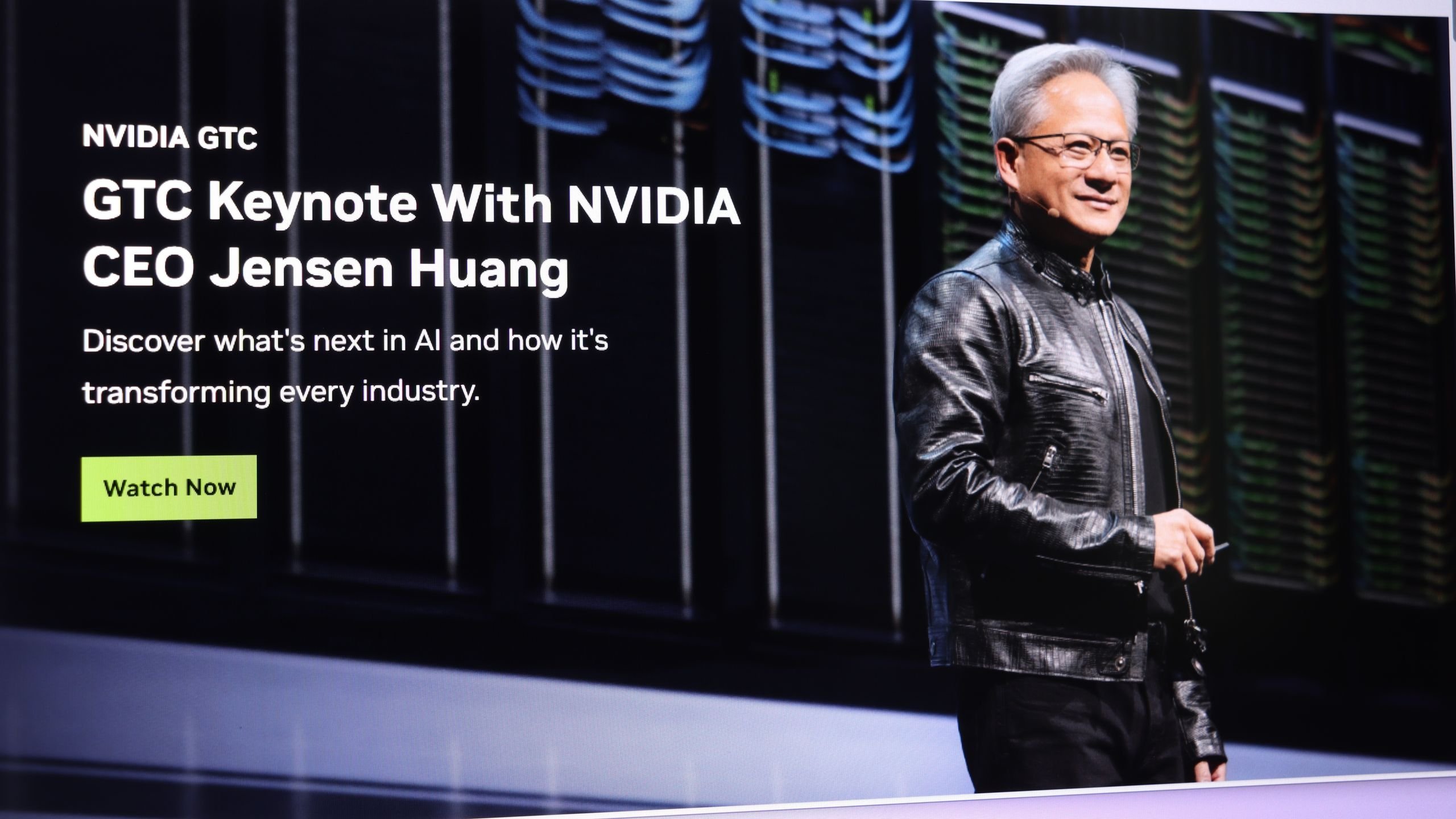
The featured image shows the Nvidia GTC 2026 conference venue, where thousands of developers and industry professionals gathered to witness the latest advancements in AI technology. The scale of the event reflects the growing importance of AI infrastructure in the global technology landscape.
Comments
Please log in or register to join the discussion