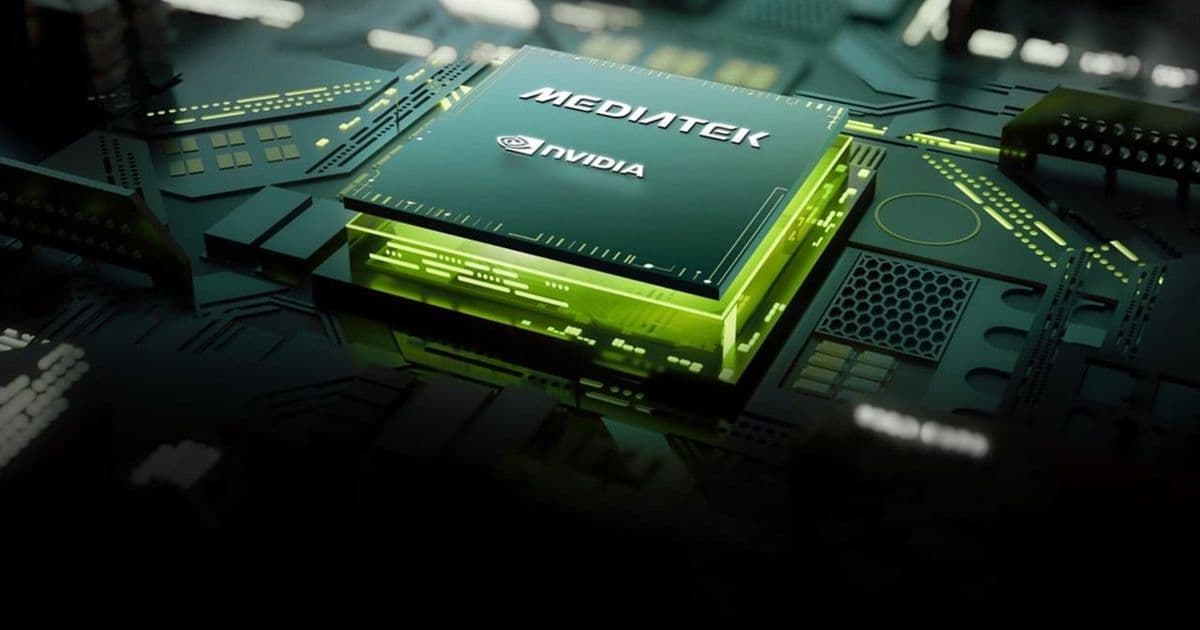
Nvidia's ambitious entry into the consumer CPU market faces significant delays as its ARM-based 'N1' and 'N1X' processors reportedly require a silicon respin due to critical hardware flaws. The setback threatens to postpone these Windows-compatible chips well into 2026, disrupting plans to challenge Qualcomm and AMD in the AI PC arena.
Nvidia's Consumer PC Chip Delayed by Critical Hardware Defects
Nvidia's bid to enter the Windows consumer CPU market with its ARM-based N1 and N1X processors has hit a major roadblock. According to industry watchdog SemiAccurate and corroborating sources, the chips require a full silicon respin due to critical hardware-level defects, pushing their release from an initial 2025 target to at least early 2026—with further delays possible.
Technical Hurdles and Respin Challenges
The defects reportedly surfaced during final validation phases, forcing Nvidia to abandon earlier plans for a firmware/microcode patch. A full silicon respin at the 4nm process node introduces complex engineering hurdles:
Respin Timeline Factors:
1. Mask redesign and fabrication (6-12 weeks)
2. Foundry queue times at advanced nodes (variable)
3. Test wafer production and validation (4-8 weeks)
4. Full functional/performance requalification (4+ weeks)
"Even minor logic-layer changes can trigger 3-6 month delays," notes a semiconductor engineer familiar with 4nm production. "Lower metal layer fixes are particularly brutal—they cascade through the entire validation cycle."
Architectural Context and Market Impact
The N1 series—co-designed with MediaTek—shares DNA with Nvidia's GB200 Superchip for AI workstations but targets mainstream Windows-on-ARM (WoA) laptops. Key technical distinctions:
- ARMv9 CPU cores (likely Cortex-X5 derivatives)
- Integrated Ada/Blackwell architecture GPU
- 128GB RAM support (matching GB200 capabilities)
- PCIe 5.0 and LPDDR5X memory controllers
This delay cedes ground to Qualcomm's Snapdragon X Elite and AMD's Ryzen AI 300 series, both already shipping in Copilot+ PCs. Industry analysts note Nvidia's absence at Computex 2024 signaled deeper issues:
- Competitive Gap: Qualcomm now has 18+ months to entrench WoA leadership
- AI Workstation Void: GB200 systems (priced at $3K-$4K) lack a consumer counterpart
- Windows 12 Alignment: Likely launch window for N1/N1X now conflicts with next-gen OS rollout
Engineering Tradeoffs and Strategic Implications
Sources suggest the defects specifically impact power management circuits and PCIe subsystem stability—critical for consumer thermal envelopes and dGPU compatibility. The respin prioritizes:
- Reduced TDP targets (sub-45W for laptops)
- Enhanced memory latency for gaming
- AI tensor core efficiency optimizations
Ironically, the workstation-focused GB200 avoids these issues by operating in thermally forgiving chassis with dedicated cooling. This bifurcation highlights Nvidia's challenge: scaling datacenter-proven architectures to consumer constraints requires fundamental silicon re-engineering.
— Source: Tom's Hardware (abridged technical analysis)
Comments
Please log in or register to join the discussion