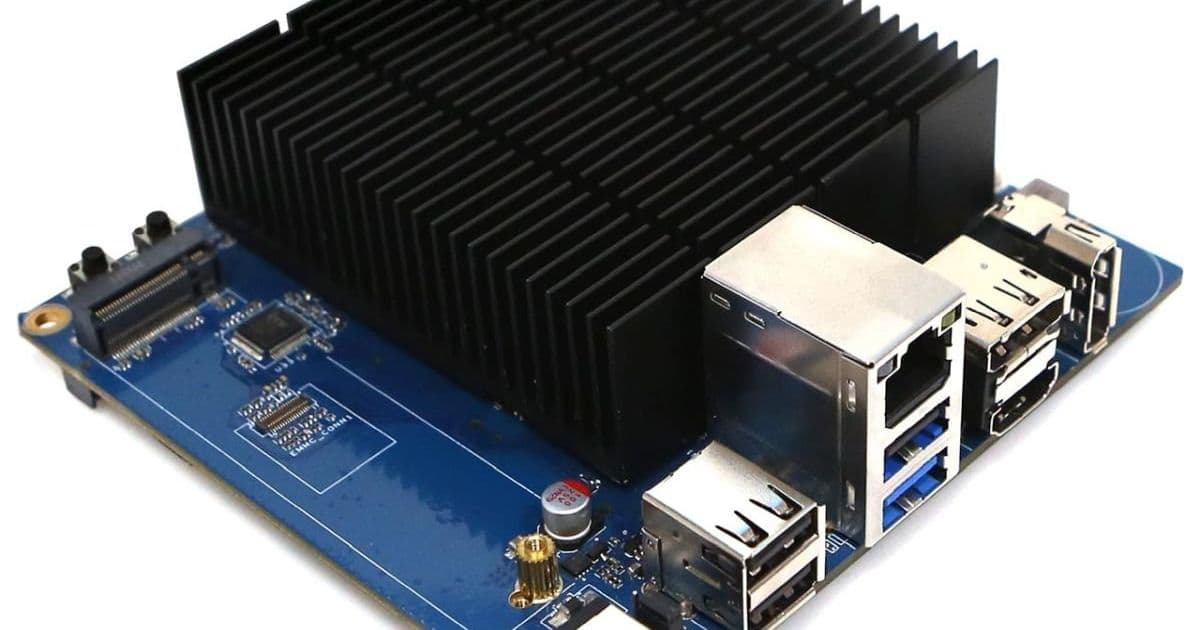
Hardkernel's ODROID-H5 brings a low-power Intel Core i3-N300 processor to the single-board PC market, featuring four M.2 slots and 10 GbE networking in a compact 120x120mm form factor.
Hardkernel has announced the ODROID-H5, a new single-board computer that combines a low-power 8-core Intel Core i3-N300 Alder Lake-N processor with extensive expansion capabilities. Priced at $260, the ODROID-H5 offers developers and hobbyists a versatile platform for various applications, though with some trade-offs compared to its predecessor.
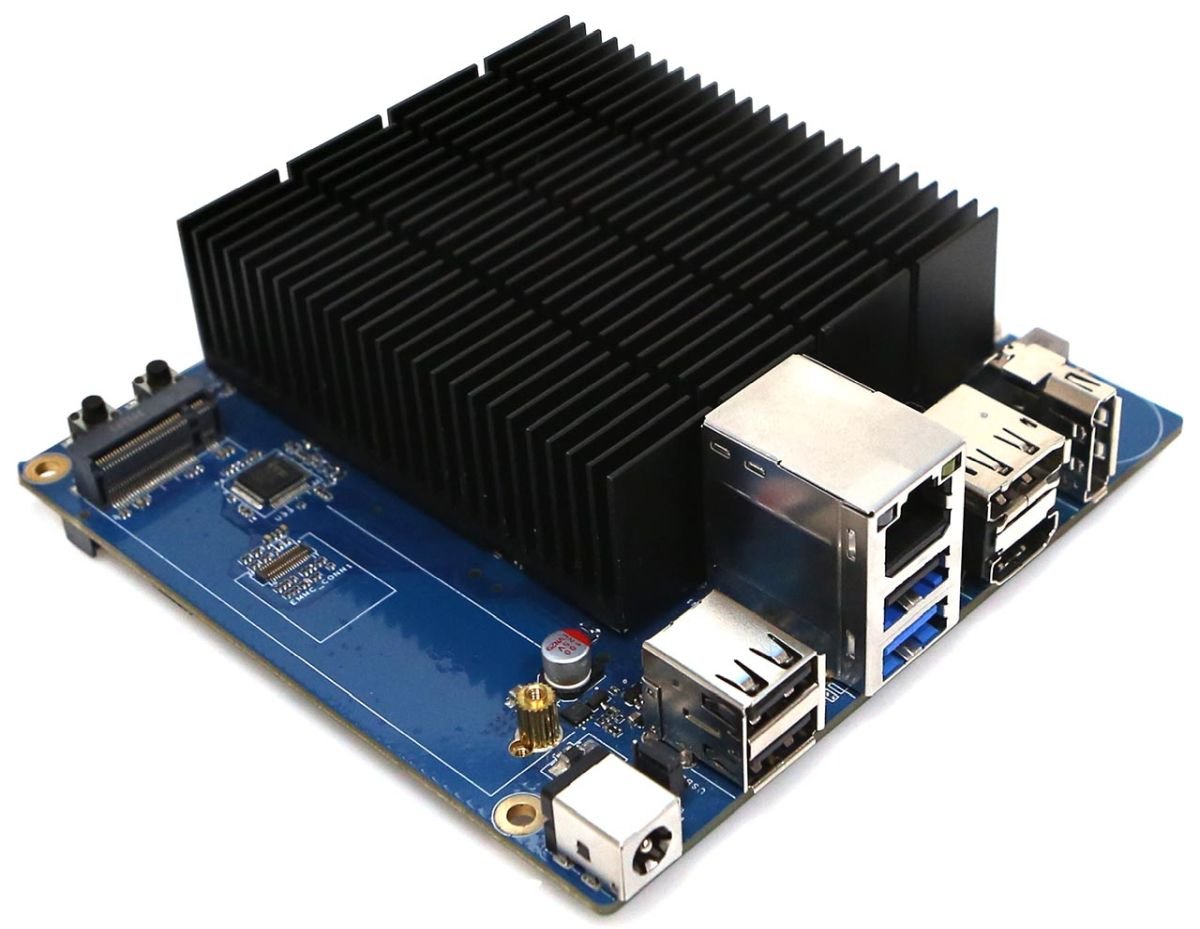
The ODROID-H5 is built around Intel's Alder Lake-N architecture, featuring an 8-core/8-thread processor with a clock speed ranging from 2.3 GHz to 3.8 GHz and a thermal design power (TDP) of just 7 watts. This low power consumption makes it particularly suitable for 24/7 operation scenarios where energy efficiency is critical. The processor includes Intel UHD graphics with 32 execution units that can reach up to 1.25 GHz, providing adequate graphics performance for most embedded and light workstation applications.
One of the standout features of the ODROID-H5 is its storage expansion capabilities. The board includes four M.2 slots: three PCIe 3.0 x2 connectors and one PCIe 3.0 x1 slot. While these are slower than the single PCIe 4.0 x4 slot found in the previous ODROID-H4 Ultra model, the additional slots offer greater flexibility for expansion. Users can install multiple SSDs or use adapter cards to add functionality such as additional SATA connectors, high-speed network adapters, or specialized accelerators for AI workloads.
For networking, the ODROID-H5 features a single 10 Gigabit LAN port using the Realtek RTL8127 controller. This represents a significant speed increase over the dual 2.5 GbE ports on the H4 Ultra, though it reduces redundancy options for applications requiring multiple network connections. The board also includes comprehensive I/O options: one HDMI 2.0 port, two DisplayPort 1.2 outputs, one USB 3.0 port, three USB 2.0 ports, and a 24-pin I/O expansion header with additional connectivity options including I2C, UART, and HDMI-CEC.
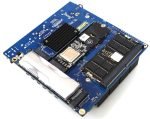
Memory configuration remains consistent with the previous model, featuring a single SODIMM slot that supports up to 64GB of DDR5-4800 memory in single-channel configuration. This provides adequate memory capacity for most embedded applications, though the single-channel configuration limits maximum bandwidth compared to dual-channel setups.
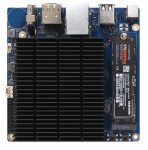
When comparing the ODROID-H5 with its predecessor, several trade-offs become apparent. The H5's Core i3-N300 processor offers approximately 10-15% lower CPU performance than the H4 Ultra's Core i3-N305, but it achieves this with half the power consumption (7W vs 15W). The H4 Ultra included four SATA connectors for traditional hard drives, which the H5 lacks, though the additional M.2 slots on the H5 can partially compensate for this limitation with appropriate adapters.
For developers, the ODROID-H5 presents an interesting proposition. The low power consumption makes it ideal for always-on applications like network-attached storage, home servers, or IoT gateways. The multiple M.2 slots allow for flexible storage configurations, while the 10 GbE networking enables high-speed data transfers. The absence of SATA connectors and analog audio ports may limit some use cases, but the compact form factor and extensive expansion options make it suitable for embedded systems, digital signage, and light industrial applications.
The ODROID-H5 demonstrates Hardkernel's continued commitment to providing versatile single-board computers that balance performance, power efficiency, and expansion capabilities. While it may not represent a straightforward upgrade over the H4 Ultra, it offers a different set of advantages that may better suit specific use cases, particularly those prioritizing energy efficiency and high-speed networking.
For more technical specifications and purchasing information, visit the Hardkernel ODROID Wiki or the official Hardkernel blog.
Comments
Please log in or register to join the discussion