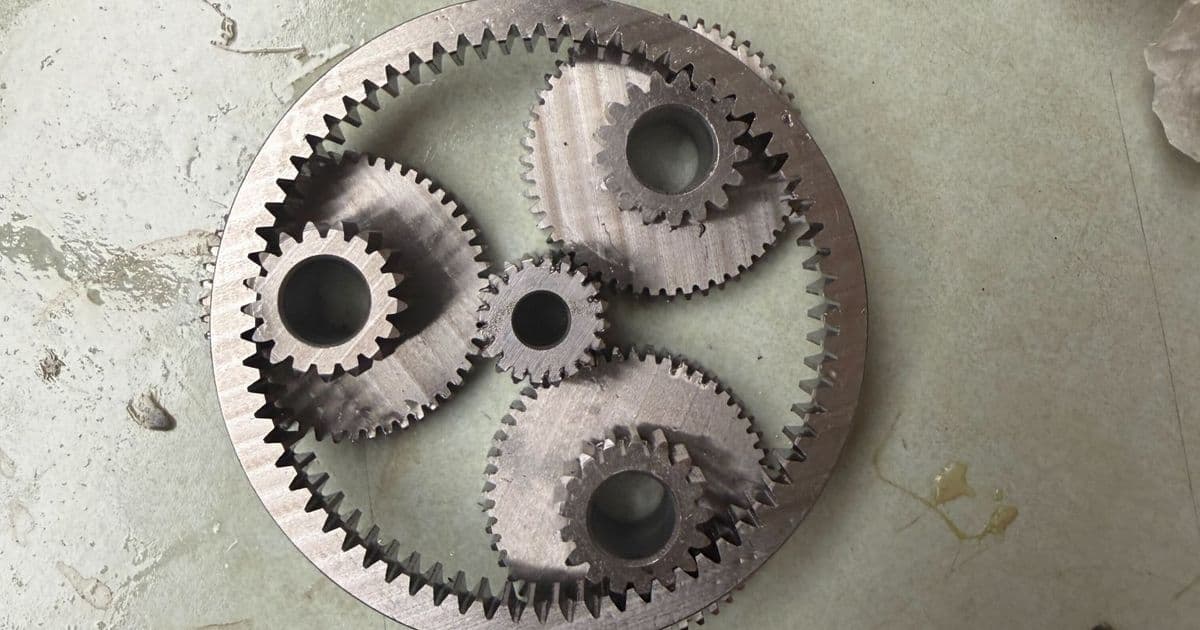
MIT-developed Ferrium C61 steel, created through pioneering computational materials design, has transformed racing performance from Baja 1000 to Formula One before returning to its academic roots in the MIT Motorsports' 2026 electric race car.
A high-performance steel with MIT origins has completed an extraordinary journey from computational design to racing dominance and back to academia. Ferrium C61, developed through the pioneering work of Professor Gregory B. Olson and the MIT Steel Research Group, has proven indispensable in extreme racing environments before being incorporated into the 2026 electric race car built by the student-run MIT Motorsports team.
The material's story begins in the mid-1980s when Olson founded the MIT Steel Research Group with a revolutionary vision: using computers to accelerate the discovery of new materials by analyzing databases of fundamental properties. This approach laid the groundwork for what would become the field of computational materials design, eventually leading to the Materials Genome Initiative—a national program announced by President Barack Obama in 2011.
"In 1985, nobody knew whether we could really do this," recalls Olson, who is affiliated with the MIT Materials Research Laboratory. Olson and his colleagues demonstrated that the computational approach was viable, attracting funding from the Army Research Office around 1990 to develop high-performance steels for helicopter gears. This work caught the attention of producers from the PBS science documentary "Infinite Voyage," which led to an unexpected connection with racing.
"When 'Infinite Voyage' came to see me about the helicopter gear steels, we got into a discussion about my interest in race cars and whether these steels might have applications there," Olson explains. This conversation initiated a collaboration with the Newman/Haas racing team, which was also featured in the documentary. "My first discussion with their chief engineer was on live television," Olson notes.
The team designed a novel gear steel over a single weekend that could withstand the extreme conditions of racing. "The surface hardness was the same as for a conventional gear steel, but we gave it the core properties of an armor steel," Olson describes. This innovation became Ferrium C61, commercialized through QuesTek Innovations, the materials-design company Olson co-founded, and the company's first commercial product.
The steel found its initial success in the demanding environment of the Baja 1000 off-road races. "We particularly focused on the 1600 class of those racing dune buggies. They would go flying over a sand dune with the wheels spinning in the air. And when they land, there would be a tremendous jolt to the drive gears," Olson explains. Conventional steel gears regularly failed under these conditions, lasting on average only 60 percent of a race. "With Ferrium C61, we changed it from point-six to six races," Olson states—a tenfold improvement in durability.
This impressive performance data attracted attention from Formula One teams, particularly Red Bull Racing. "The leading mechanical failure in Formula One racing is gearbox failures," Olson notes. "Once Red Bull adopted our steel for the gearset, they never had any gearbox failures, and they were world champions four times in the last decade."
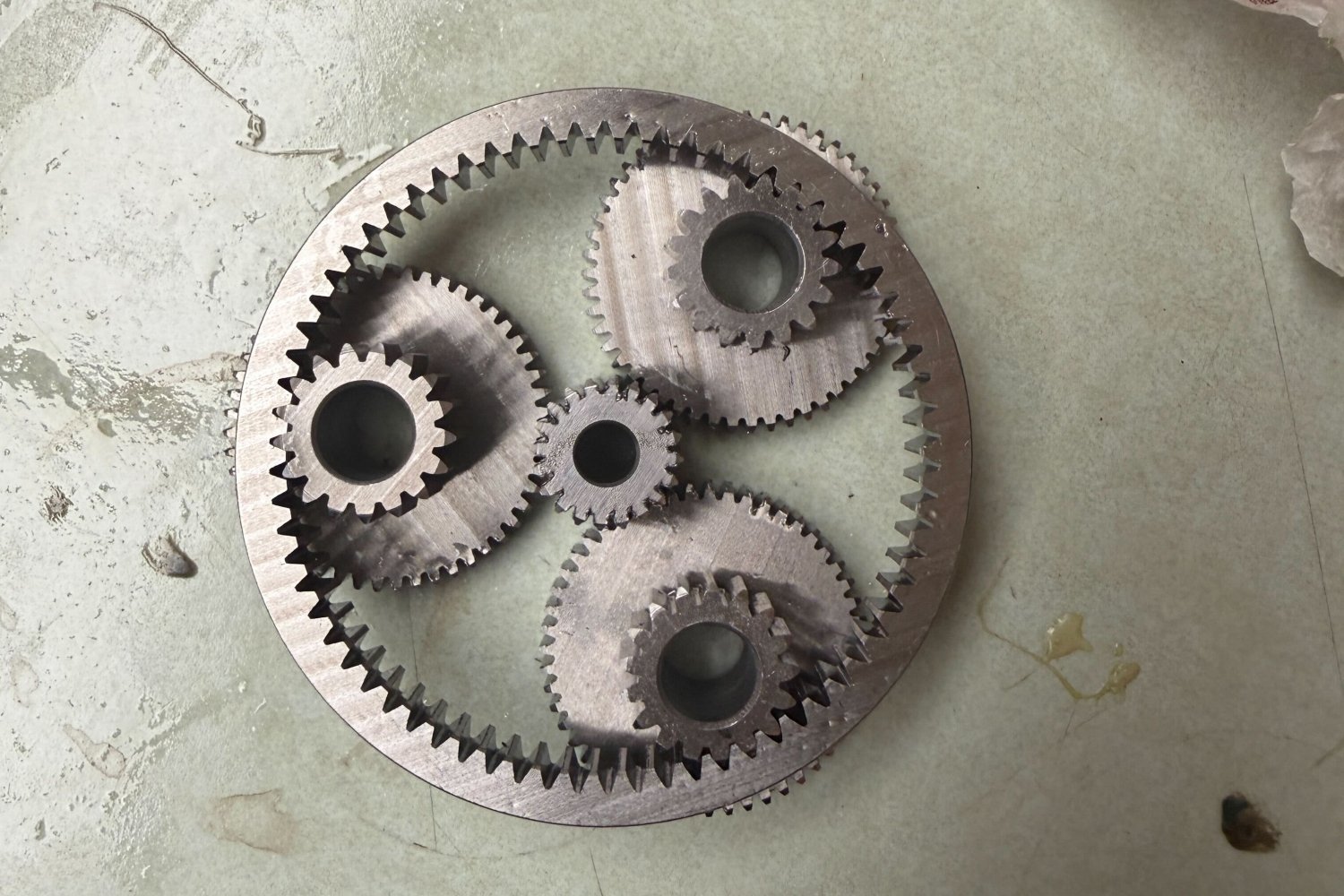
Now, Ferrium C61 has returned to its MIT origins. Within the past year, MIT Motorsports approached Olson about obtaining a sample of the steel for their 2026 electric race car. "QuesTek had some stock available, and sold it at a high discount to the MIT team with, of course, instructions on how to heat-treat it," Olson explains. The student team, composed primarily of undergraduates, manufactured the gears themselves for their competition in the Formula SAE Electric event in June.
The integration of Ferrium C61 into the MIT Motorsports car represents a full circle for the material, from academic research to professional racing and back to student engineering. This trajectory demonstrates how computational materials design can create solutions that push the boundaries of performance across multiple domains.
For more information on the MIT Steel Research Group and their work, visit the Materials Research Laboratory and QuesTek Innovations. The MIT Motorsports team will compete in the Formula SAE Electric competition in June, showcasing the practical application of this MIT-developed material.
The development of Ferrium C61 exemplifies the power of computational materials design, which has since expanded beyond steel to include other materials classes. The Materials Genome Initiative continues to advance this field, accelerating the discovery and deployment of new materials with tailored properties.
As racing technology evolves toward electric vehicles and autonomous systems, materials like Ferrium C61 that offer exceptional durability under extreme conditions will remain critical. The story of this steel demonstrates how fundamental research can yield practical solutions that transform industries while continuing to inspire the next generation of engineers and materials scientists.
Comments
Please log in or register to join the discussion