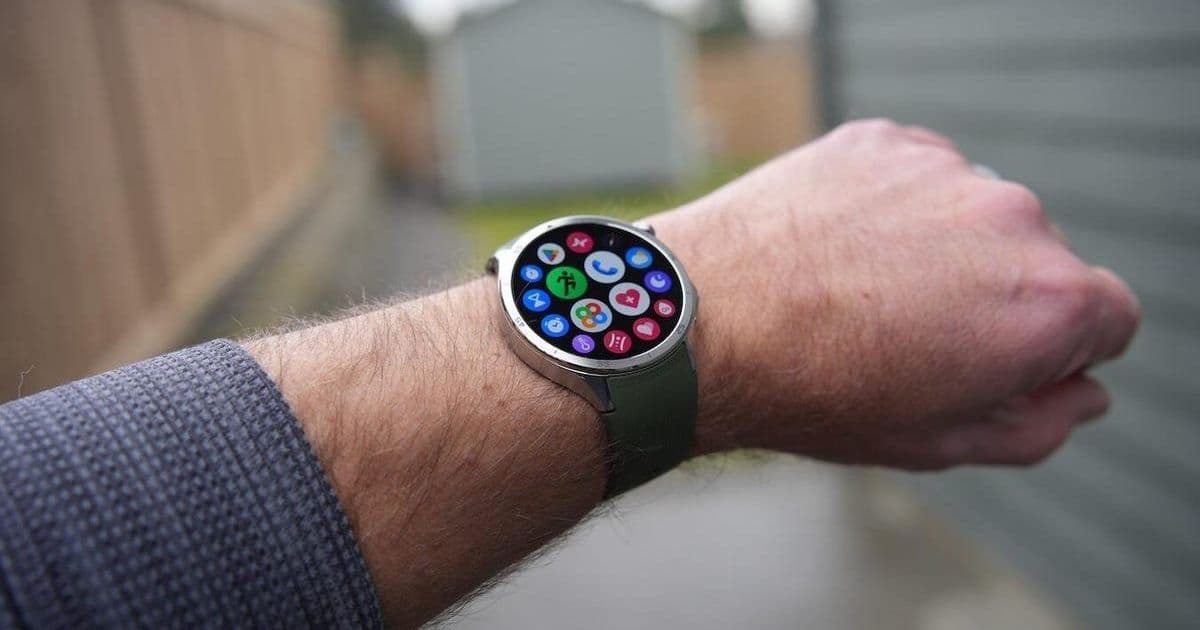
With up to five days of battery life, the OnePlus Watch 3 shatters expectations for Android smartwatches, outperforming rivals like Samsung's Galaxy Watch. Enhanced by user feedback, it combines elegant design with robust health tracking, though its app ecosystem requires refinement. This review unpacks why it's a game-changer for developers and tech enthusiasts alike.
In a market dominated by daily charging routines, the OnePlus Watch 3 emerges as a revelation, boasting battery life that leaves competitors like the Samsung Galaxy Watch Ultra in the dust. Priced at $350 and running Wear OS 5, this smartwatch delivers up to five days of endurance in standard mode—a feat achieved through innovative dual-engine architecture and a 631 mAh Silicon NanoStack battery. As reported by ZDNET, this leap forward isn't just about longevity; it's a response to user critiques that reshaped the device into one of the most compelling Android wearables yet.
Hardware and Design: Listening to the Community
OnePlus took direct feedback from Watch 2 users seriously, refining every element. The rotating digital crown now features textured edges for better grip and zooms through menus fluidly, enhancing navigation. Encased in stainless steel with a titanium bezel and sapphire crystal display, the Watch 3 is built to endure with IP68, 5ATM, and MIL-STD-810H ratings. Its 1.5-inch AMOLED screen peaks at 2,200 nits of brightness, ensuring visibility even in harsh sunlight. At 81 grams, it's substantial but exudes premium craftsmanship.
Software and Features: Power Meets Personalization
Running Wear OS 5, the watch supports over 100 sports modes and leverages a dual-frequency GNSS chip for precise outdoor tracking. While workout screens lack customization, post-activity data in the OHealth app is exhaustive, offering insights like running dynamics and heart rate variability. The new Moments in Motion watch face allows custom video loops—though it drains battery faster—and options like Metric Matrix provide versatile complications. However, the OHealth app falters with rigid home-screen tiles and missing stress data, highlighting a gap in user customization.
Health monitoring includes a 60-second check for blood oxygen, wrist temperature, and vascular age, but lacks FDA-approved ECG in North America. As ZDNET's testing noted, this omission is a setback for users seeking comprehensive cardiac insights. Still, the watch excels in durability and daily utility, making it ideal for developers exploring long-term wearable integrations.
Why This Matters for Tech Innovation
The Watch 3's battery breakthrough stems from OnePlus's Silicon NanoStack technology, also seen in their flagship smartphones, signaling a trend toward energy-efficient components in wearables. For the industry, this pressures giants like Google and Samsung to innovate beyond incremental updates. Developers gain a robust platform for Wear OS apps, but the limited in-workout data screens and app shortcomings underscore the need for better software ecosystems in Android wearables.
In an era where user feedback drives evolution, the OnePlus Watch 3 proves that attentive engineering can transform critiques into strengths, setting a new benchmark for what Android watches can achieve—without constant tethering to a charger.
Comments
Please log in or register to join the discussion