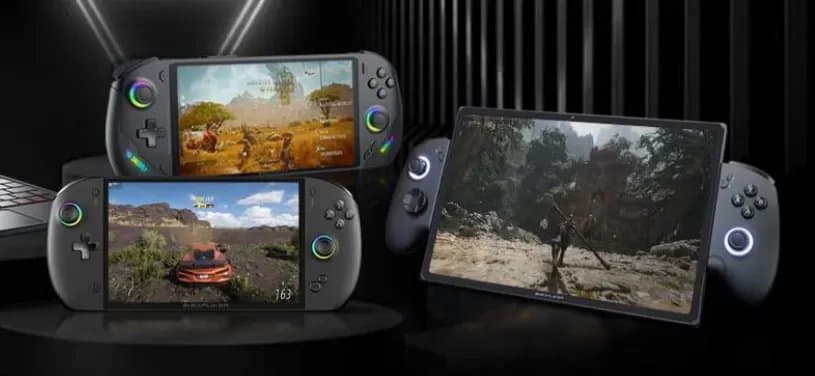
Valve's Derek Clark has developed a new 'hid-oxp' driver for OneXPlayer gaming handhelds that will be included in Linux 7.2, providing RGB lighting controls, vibration intensity settings, and hardware-level button mapping capabilities.
OneXPlayer Configuration Driver Destined For Linux 7.2
The Linux kernel is set to receive a significant enhancement for gaming handheld enthusiasts with the upcoming inclusion of the OneXPlayer Configuration Driver in the Linux 7.2 release cycle. Developed by Derek Clark, who is part of Valve's Linux engineering team, this new driver represents another step forward in improving the Linux gaming experience on portable hardware.
Technical Overview
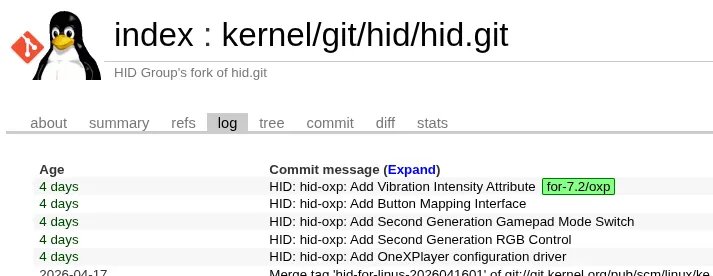
The "hid-oxp" driver, which stands for Human Interface Device - OneXPlayer, has been in development since at least March 2026 and has now progressed to a stage where it's ready for inclusion in the Linux 7.2 kernel. The driver is currently hosted in the hid.git repository's for-7.2/oxp branch and has also been queued in the HID subsystem's "for-next" branch, indicating it's on track for the upcoming merge window in June 2026.
This driver is licensed under GPLv2+ and bears the copyright of Valve Corporation, reflecting the company's continued investment in Linux gaming infrastructure. Valve's involvement is particularly significant given their history with Linux gaming through the Steam Deck and their ongoing contributions to the Proton compatibility layer.
Feature Breakdown
The OneXPlayer Configuration Driver introduces several key features that enhance the user experience on Linux:
RGB Lighting Controls
One of the most visible features enabled by this driver is comprehensive RGB lighting control. The driver exposes various attributes for managing the handheld's lighting system:
- Brightness adjustment for overall illumination levels
- Multi-intensity settings for different color zones
- Various lighting effects (static, breathing, rainbow, etc.)
- On/off toggle functionality
- Effect speed control for dynamic lighting patterns
This level of control brings Linux parity with the native Windows experience for OneXPlayer devices, allowing users to customize their device's appearance to match their preferences or setup.
Vibration Intensity Control
The driver also provides hardware-level control over vibration intensity. This feature is particularly important for gaming, as haptic feedback can enhance immersion and provide tactile cues for in-game events. By exposing this functionality through the Linux kernel, game developers can implement consistent haptic feedback across different OneXPlayer models.
Hardware-Level Button Mapping
Perhaps the most critical feature for gaming is the hardware-level button mapping interface. This allows users to:
- Remap physical buttons to different functions
- Create custom button profiles for different games
- Implement complex macros and sequences
- Access hardware-level input processing
This capability is essential for optimizing the gaming experience, as different games may benefit from different control schemes. By providing this functionality at the driver level, the OneXPlayer Configuration Driver ensures low latency and responsive input handling.
Development Context and Significance
The development of this driver fits into a broader pattern of Linux gaming handheld support. Valve's involvement is particularly noteworthy, as the company has been instrumental in improving Linux gaming through:
- The Steam Deck, which popularized Linux gaming handhelds
- Proton, the compatibility layer that enables Windows games to run on Linux
- Contributions to the Steam Play project
- Ongoing kernel development for gaming hardware
The OneXPlayer Configuration Driver represents another piece in the puzzle of making Linux a first-class gaming platform. By supporting features that are often taken for granted in Windows-based gaming systems, Linux is becoming more competitive as a gaming operating system.
Impact on Linux Gaming Community
For the Linux gaming community, this driver's inclusion means:
- Better out-of-the-box experience for OneXPlayer users
- Reduced need for third-party workarounds or userspace drivers
- Improved stability and performance for gaming input
- Foundation for more advanced gaming features in future kernel releases
The driver's progression through the kernel development process also demonstrates the maturation of Linux as a gaming platform. Features that were once only available through proprietary drivers or complex configuration are now becoming part of the mainline kernel.
Future Implications
The inclusion of the OneXPlayer Configuration Driver in Linux 7.2 sets a precedent for other gaming handheld manufacturers. As Linux continues to gain traction in the gaming space, we can expect:
- More manufacturers providing official Linux support
- Additional kernel drivers for other gaming handheld features
- Improved integration with gaming frameworks like Steam
- Enhanced power management for extended gaming sessions
Valve's continued investment in Linux kernel development suggests that the company sees Linux as a key platform for future gaming devices, potentially including successors to the Steam Deck or entirely new form factors.
Conclusion
The OneXPlayer Configuration Driver represents a significant step forward for Linux gaming handheld support. By providing comprehensive control over RGB lighting, vibration intensity, and button mapping, the driver enhances the Linux gaming experience and brings it closer to parity with other platforms. As Linux 7.2 approaches, OneXPlayer users can look forward to a more polished and feature-complete experience, thanks to the work of Valve's Linux team and the kernel community.
This driver is not just about OneXPlayer devices; it's part of a larger trend of Linux becoming a serious gaming platform. With continued contributions from companies like Valve and the broader open-source community, Linux gaming is poised for further growth and improvement in the coming years.
Comments
Please log in or register to join the discussion