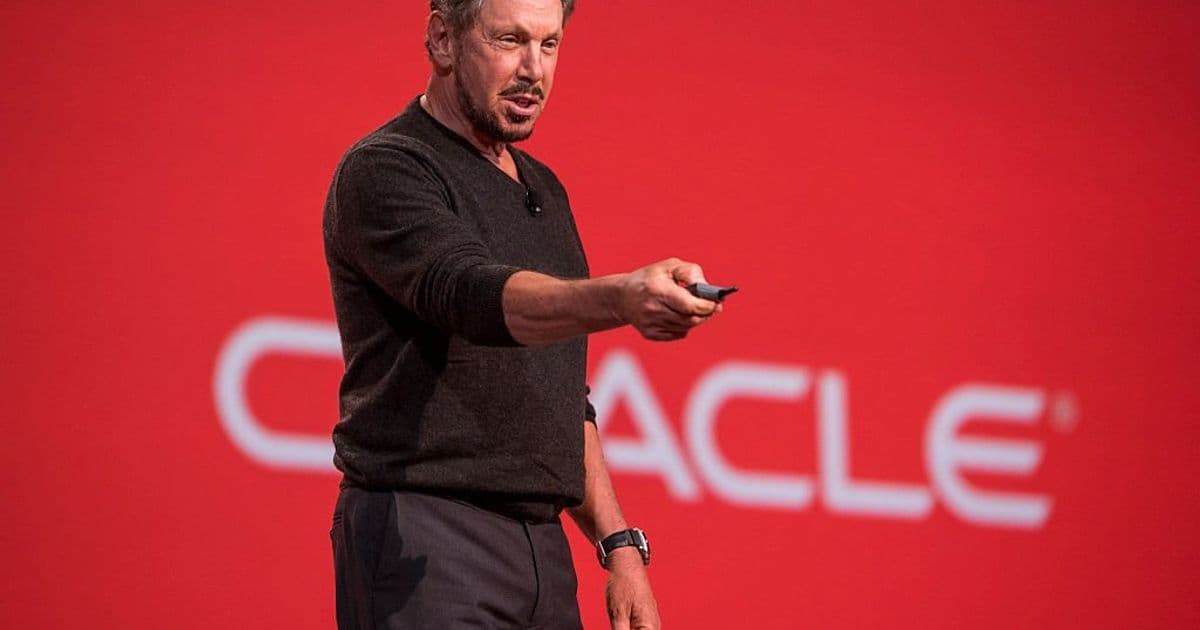
OpenAI has confirmed its unprecedented $30 billion annual agreement with Oracle for data center capacity under Project Stargate—a commitment that triples its current revenue. The deal locks in 4.5 gigawatts of power, equivalent to two Hoover Dams, signaling an infrastructure arms race for AI supremacy at staggering financial and energy costs.
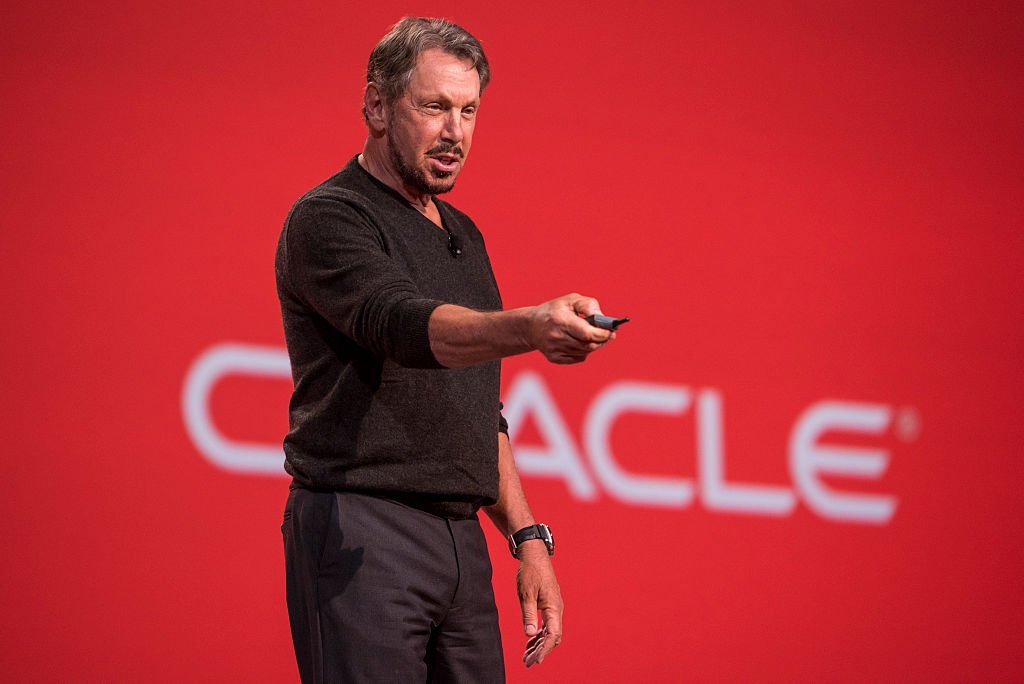
In a move that reshapes the AI infrastructure landscape, OpenAI CEO Sam Altman has confirmed the company's monumental agreement with Oracle for data center services. The deal, initially shrouded in mystery when Oracle disclosed a $30 billion-per-year cloud contract in an SEC filing last month, represents one of the largest infrastructure commitments in tech history.
The Stargate Power Play
Oracle's June filing sent shockwaves through the industry when it revealed a single contract worth more than its entire cloud revenue ($24.5B) for fiscal 2025. Speculation ended this week as Altman acknowledged this is part of Project Stargate—the $500 billion AI infrastructure initiative announced in January with Oracle and SoftBank.
The scale is staggering: 4.5 gigawatts of capacity dedicated to OpenAI’s operations. To contextualize that demand:
- Equivalent to the output of two Hoover Dams
- Enough to power approximately 4 million homes
- Represents over 18% of Oracle’s total reported cloud capacity
Oracle’s High-Stakes Investment
While a landmark deal, this isn’t pure profit for Oracle. Building Stargate Phase I in Abilene, Texas, requires massive capital expenditure:
- $21.2B spent on infrastructure in FY2024
- $25B projected for FY2025 (excluding land costs)
"This is infrastructure chess at the highest level," notes a cloud architect familiar with hyperscale deployments. "Oracle is betting its entire cloud future on being the engine for generative AI, while OpenAI is mortgaging its growth on capacity that doesn’t yet exist."
The Revenue Reality Check
Altman’s confirmation comes with sobering context: OpenAI recently hit $10B in annual recurring revenue, up from $5.5B last year. This means:
- The Oracle commitment alone triples current revenue
- Doesn’t account for existing Azure commitments or operational costs
- Highlights the unsustainable capital intensity of frontier AI models
The Unanswered Questions
As construction begins in Texas, critical challenges loom:
- Energy Sourcing: Where will 4.5GW of sustainable power originate?
- Financial Model: Can OpenAI monetize AI fast enough to cover $30B/year before 2027?
- Architecture: Will custom AI chips (like Oracle’s MAIA) deliver needed efficiency?
The Stargate deal isn’t just a contract—it’s a high-risk manifesto declaring that the future of AI will be won or lost in the trenches of gigawatts and silicon. Whether this becomes a masterpiece of foresight or a cautionary tale depends on whether AI adoption can accelerate faster than infrastructure bills come due.
Source: TechCrunch
Comments
Please log in or register to join the discussion