
OpenRouter introduces Response Healing, a new feature that automatically repairs malformed JSON outputs from LLMs before they reach applications. Early data shows defect rates plummeting by up to 99.8% across major models like Gemini and Qwen3, fundamentally improving reliability for developers building with structured AI outputs.
Developers relying on LLMs for structured JSON output know the frustration: a missing bracket or unescaped character can derail entire workflows. While cloud infrastructure boasts five-nines reliability, language models historically fail JSON syntax at alarming rates—sometimes exceeding 10% for complex outputs. This brittleness forces engineers to write verbose validation logic and brace for midnight paging alerts.

OpenRouter's newly launched Response Healing tackles this pain point head-on. Acting as middleware between LLMs and applications, it automatically repairs malformed JSON syntax in real-time. Results from millions of production requests reveal staggering improvements:
| Model | Defect Reduction | Success Rate Before | Success Rate After |
|---|---|---|---|
| Gemini 2.0 Flash | 80% | 99.61% | 99.92% |
| Qwen3 235B | 99.8% | 88.02% | 99.98% |
| Devstral 2512 | 99.7% | 96.59% | 99.99% |
"If an LLM has a 2% JSON defect rate and healing drops that to 1%, you haven't made a 1% improvement—you've halved your defects," notes OpenRouter's announcement. This compounding effect becomes critical at scale: fewer parsing failures mean fewer support tickets and debugging sessions for production systems.
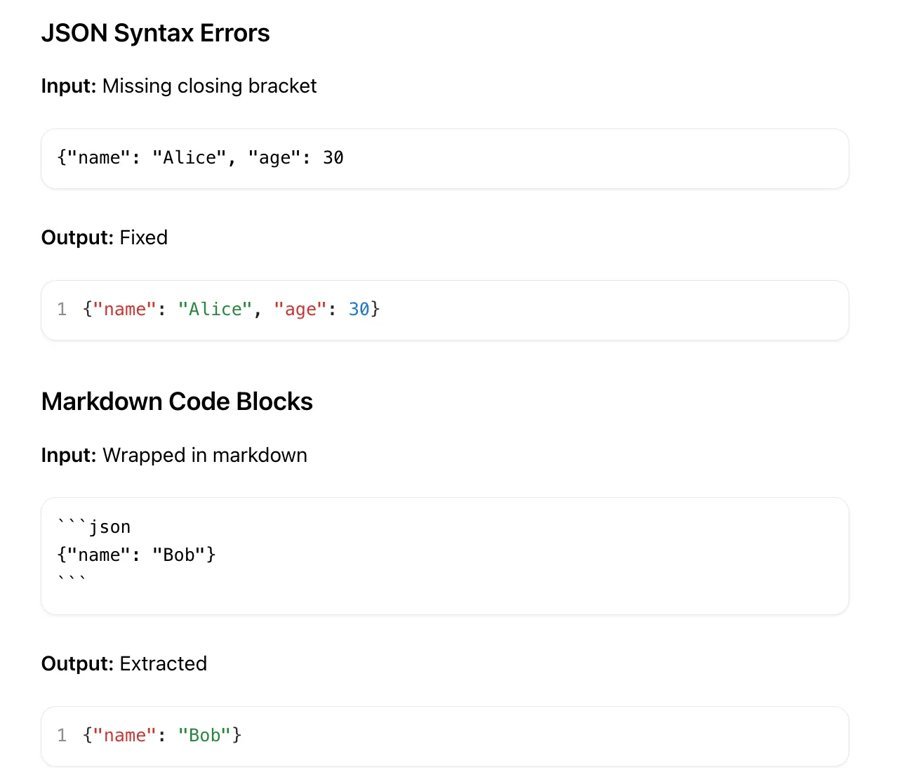
The service specifically targets common syntax failures:
- Trailing commas after final elements
- Unescaped control characters in strings
- Missing closing brackets or braces
- Improperly formatted numerical values
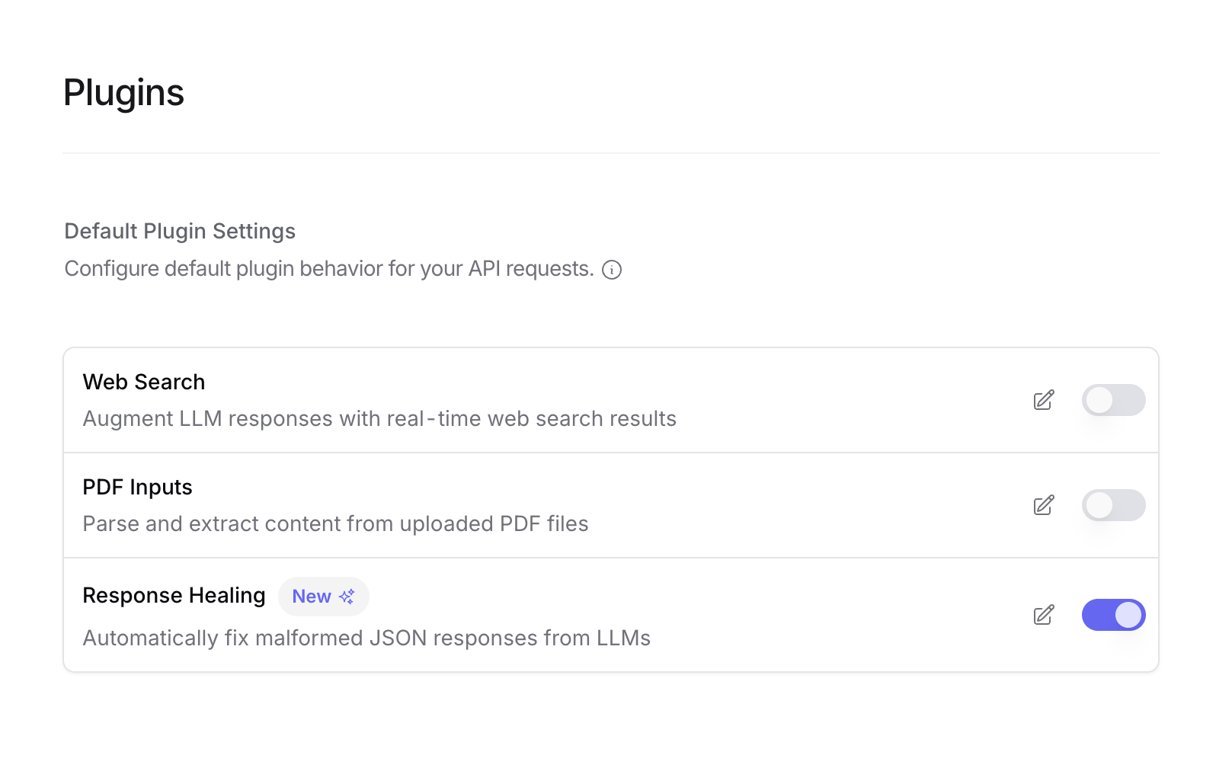
Crucially, Response Healing operates with minimal overhead—adding under 1ms latency for typical payloads. It's free to enable via OpenRouter's plugin system and processes repairs at remarkable speed (over 54,000 ops/second for schema-less fixes).
Limitations and Scope
The tool focuses exclusively on syntax correction, not schema adherence. Models returning valid JSON with incorrect field names or data types still require custom validation. Support is currently limited to non-streaming requests, though OpenRouter indicates XML healing and streaming compatibility may follow.
For developers building AI agents, data pipelines, or API integrations, Response Healing represents infrastructure-level hardening. As one benchmark showed, even high-performing models like Gemini 2.0 Flash Lite jumped from 99.94% to 100% validity. In the relentless pursuit of production-grade AI, eliminating trivial failures liberates engineering teams to tackle substantive logic challenges—transforming brittle prototypes into trustworthy systems.
Source: OpenRouter Announcement
Comments
Please log in or register to join the discussion