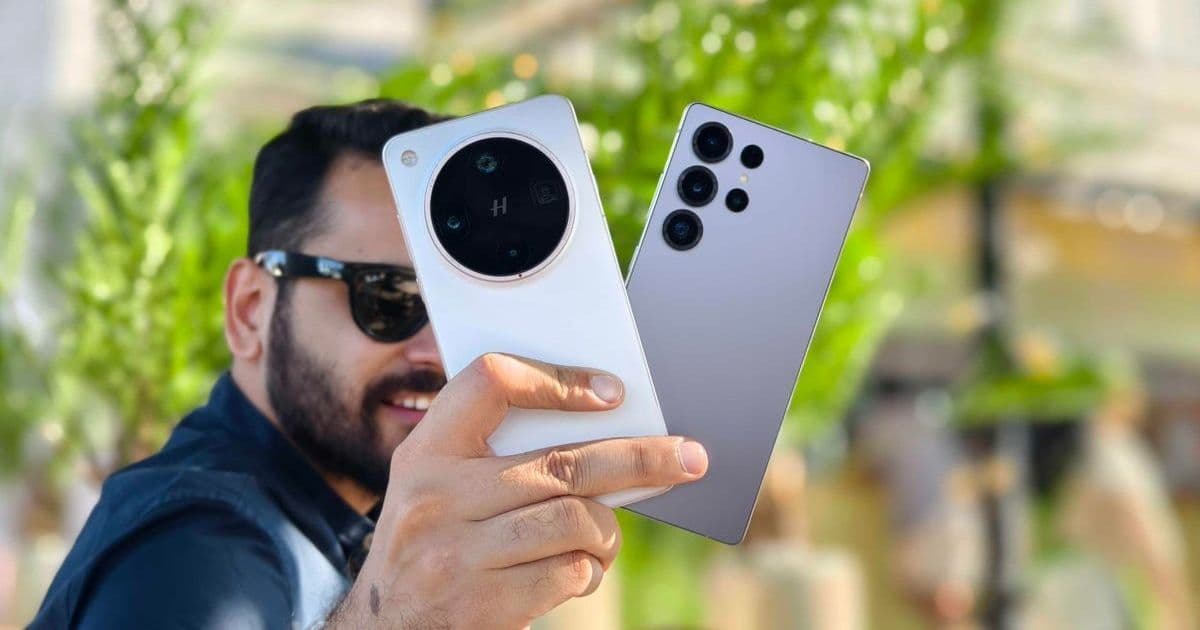
After capturing over 500 photos across diverse scenarios in Sweden, the Oppo Find X8 Ultra decisively outperformed the Samsung Galaxy S25 Ultra, leveraging Hasselblad's color science and larger sensors for superior image quality. While Samsung's ultrawide capabilities hold merit, Oppo's consistency in portraits, low-light, and unique features like XPAN mode cements its lead. This real-world test underscores how sensor innovation and computational photography partnerships are reshaping mobile ima
The Great Smartphone Camera Duel: Oppo vs. Samsung on the Ground in Sweden
As a tech journalist embedded in the trenches of real-world testing, I embarked on a journey to Sweden armed with two flagship giants: the Samsung Galaxy S25 Ultra and the Oppo Find X8 Ultra. My mission? To determine which device delivers superior photography for travel—a critical benchmark for developers and engineers pushing the boundaries of mobile imaging. Over 500 photos later, the results reveal not just a winner, but a masterclass in how hardware-software synergy defines modern photography.
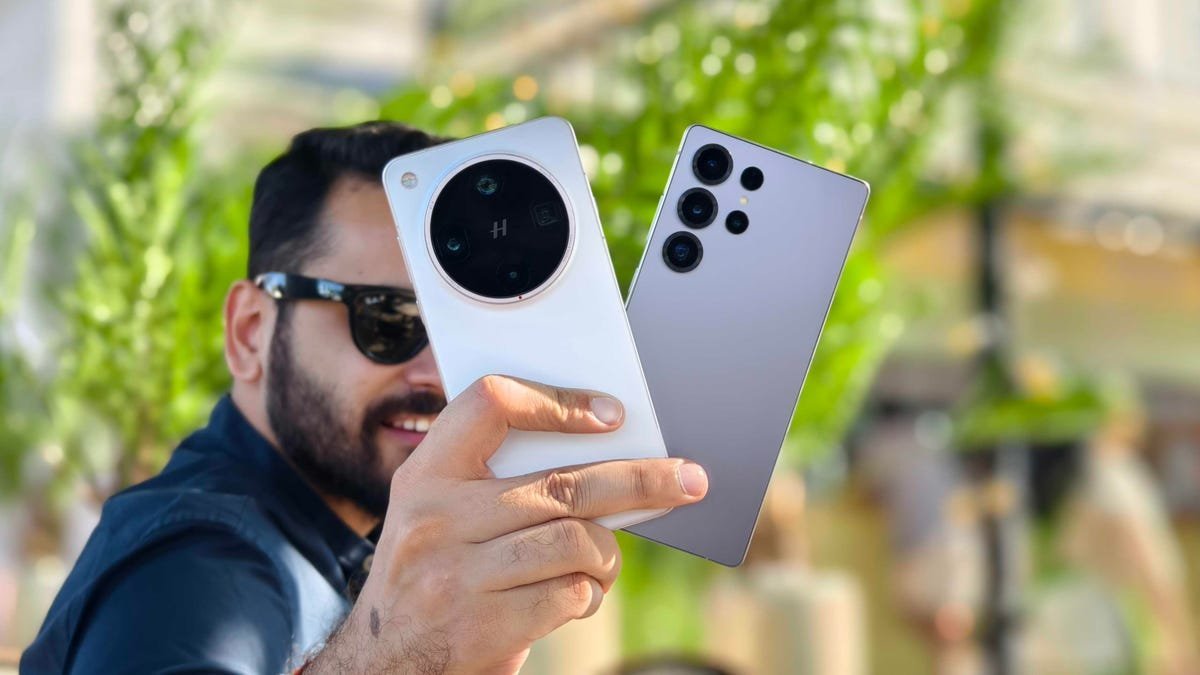
Why Sensor Size and Color Science Matter More Than Megapixels
At first glance, Samsung’s 200MP main sensor seems dominant, but Oppo’s 1.0-inch-type 50MP sensor (larger than Samsung’s 1/1.3-inch) captures more light, reducing noise and enhancing detail. Paired with Hasselblad’s Natural Color Solution, Oppo’s processing consistently produced more vibrant yet natural tones. Samsung’s warmer undertones often led to underexposure in challenging lighting, as seen in portrait tests:
"Oppo exposes subjects better in harsh light, though occasionally it over-processes highlights. Samsung’s approach is more conservative but risks losing vitality," notes Prakhar Khanna, whose field testing for ZDNET forms the basis of this analysis.
A technical comparison of the camera systems highlights Oppo’s hardware edge:
| Component | Oppo Find X8 Ultra | Samsung Galaxy S25 Ultra |
|---|---|---|
| Main Camera | 50MP, 1.0"-type sensor, f/1.8, OIS | 200MP, 1/1.3" sensor, f/1.7, OIS |
| Telephoto (3x) | 50MP periscope, 1/1.56" sensor, OIS | 10MP, 1/3.52" sensor, OIS |
| Telephoto (5x/6x) | 50MP periscope, 6x optical zoom, 1/1.95" sensor | 50MP periscope, 5x optical zoom, 1/2.52" sensor |
| Ultrawide | 50MP, 120° FoV, 1/2.75" sensor | 50MP, 120° FoV, 1/2.5" sensor |
Real-World Shootout: Where Oppo Pulls Ahead
Portraits and Zoom: Hasselblad’s Dominance
In 3x portraits, Oppo’s superior exposure preserved skin tones and background details, while Samsung struggled with artificial blur. At 6x optical zoom, Oppo’s larger sensor captured sharper, noise-free images in low light—critical for travel photography where lighting is unpredictable. As Khanna observed, "Oppo’s 6x portraits adapt to environmental tones, delivering a ‘vibe’ Samsung can’t match."
Low-Light and Ultrawide: A Closer Contest
Samsung’s ultrawide sensor nearly ties Oppo in dynamic range, but Oppo’s color vibrancy gives it an edge for scenic shots. In pure low-light scenarios, however, Oppo’s noise reduction and detail retention outclassed Samsung, as seen in comparative shots of dimly lit interiors.
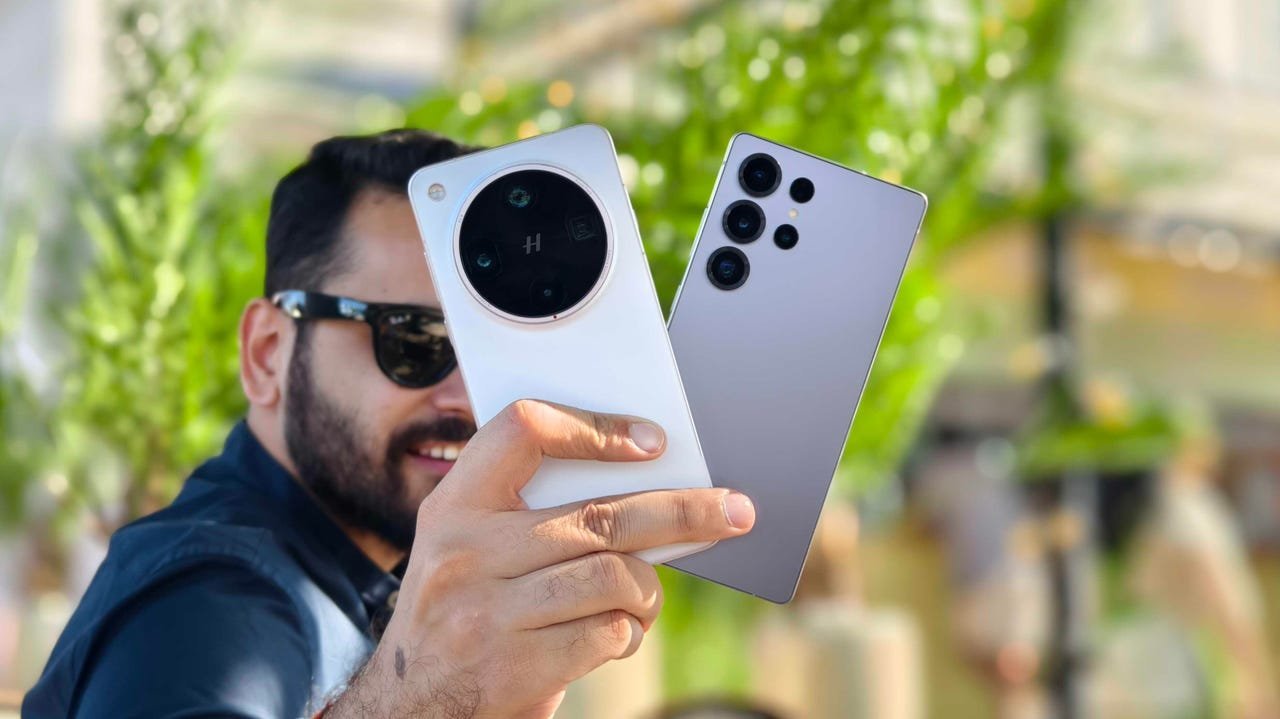
Unique Features: XPAN and Beyond
Oppo’s exclusive XPAN mode—inspired by Hasselblad’s panoramic legacy—allowed for artistic 65:24 aspect ratio shots, transforming mundane scenes into cinematic frames. Samsung lacks an equivalent, highlighting how software innovations can elevate hardware. Oppo’s Master Mode also offers manual controls appealing to prosumers, though Samsung’s interface avoids intrusive elements like Oppo’s Camera Control button.
The Bigger Picture: What This Means for Mobile Tech
This face-off isn’t just about specs; it’s a testament to how partnerships (like Oppo-Hasselblad) and sensor optimization are becoming as crucial as raw megapixels. For developers, it underscores the importance of tuning computational photography algorithms for real-world variability. Samsung must refine its color science to compete, while Oppo’s inconsistency in harsh light reveals room for AI-driven exposure improvements. As smartphone cameras evolve into primary tools for content creation, the victor here isn’t just a device—it’s a blueprint for balancing innovation with reliability.
Comments
Please log in or register to join the discussion