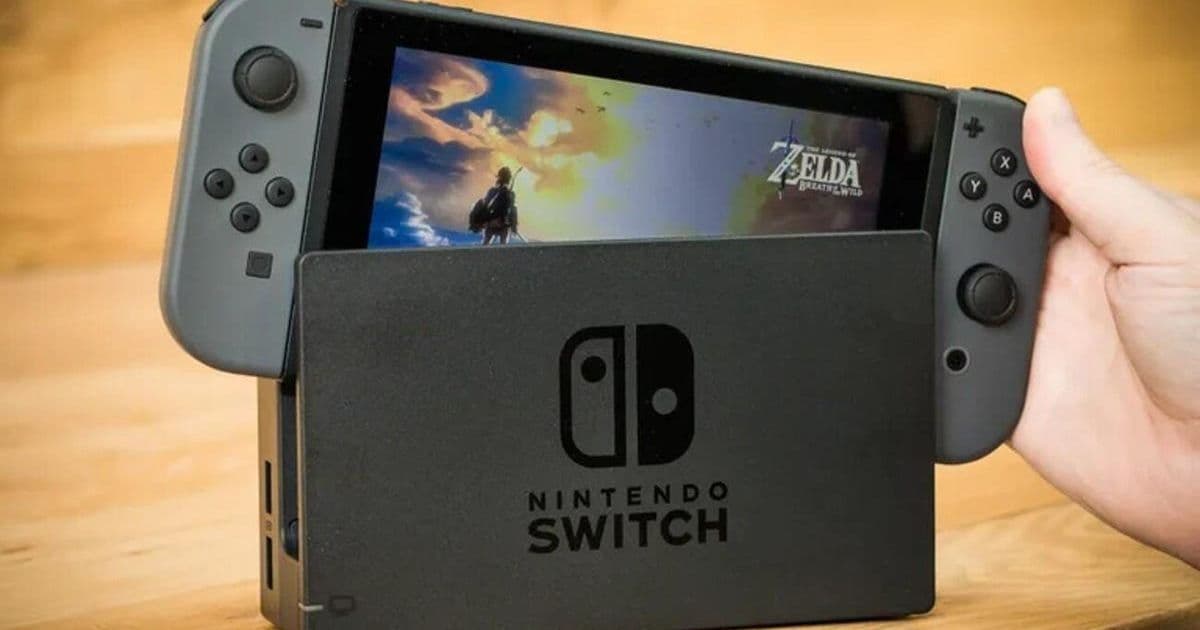
Walmart slashes the original Nintendo Switch to $295, a $66 discount, positioning it as a compelling budget alternative to the newer $450+ Switch 2. Despite being an older model, its Tegra X1 processor, versatile docked/handheld modes, and enduring design offer significant value for developers exploring console ecosystems and families seeking accessible gaming.
The original Nintendo Switch, a cornerstone of modern hybrid gaming, has hit a notable price milestone. Walmart is currently selling the console with gray Joy-Con controllers for $295—a $66 discount off its typical price point. This deal emerges against the backdrop of Nintendo's recent Switch 2 launch, which commands a significantly higher premium at $450-$500.
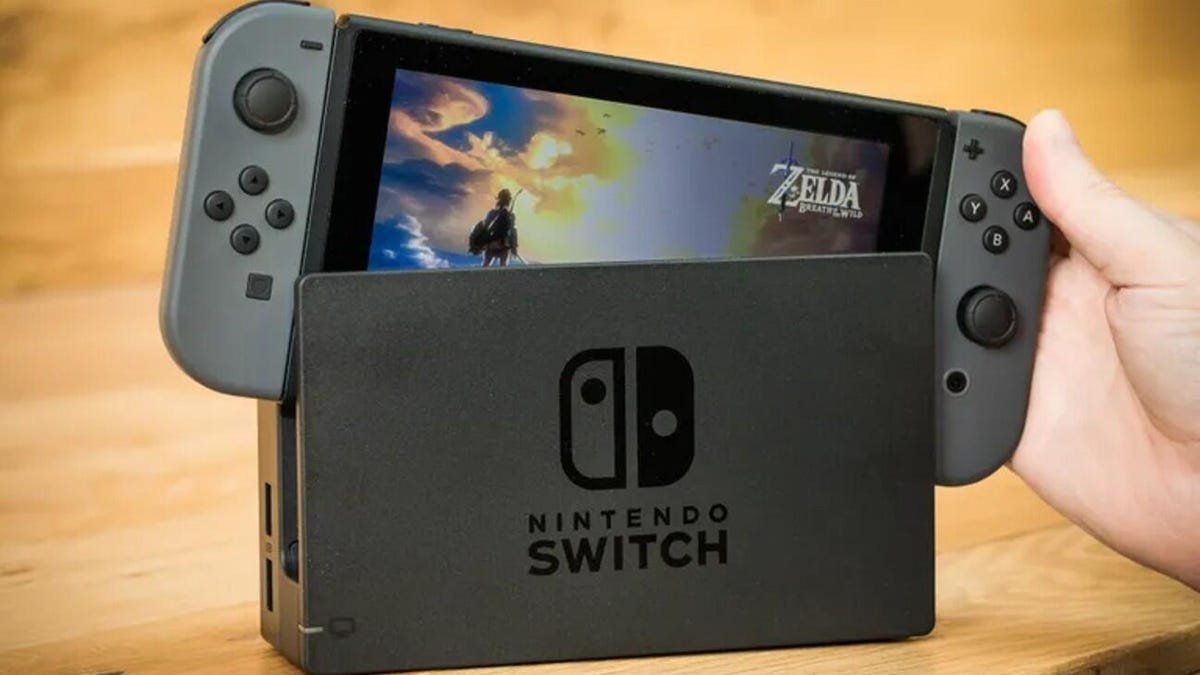
This price cut makes the foundational Switch hardware an increasingly attractive entry point. While the Switch 2 boasts next-gen capabilities, the original model retains substantial relevance:
- Hybrid Flexibility: Seamlessly transitions between 720p handheld mode and 1080p TV docked play.
- Proven Hardware: Powered by the Nvidia Tegra X1 processor with 4GB RAM.
- Battery Life: Offers 4.5 to 9 hours depending on game intensity.
- Storage: Includes 32GB internal storage, expandable via microSD.
ZDNET's Maria Diaz, in her hands-on comparison, noted the original Switch holds its ground against the OLED model: "The Nintendo Switch OLED is an iteration that didn't live up to the hype," she observed, highlighting the core similarities in processing power and resolution despite the OLED's larger screen and doubled storage.
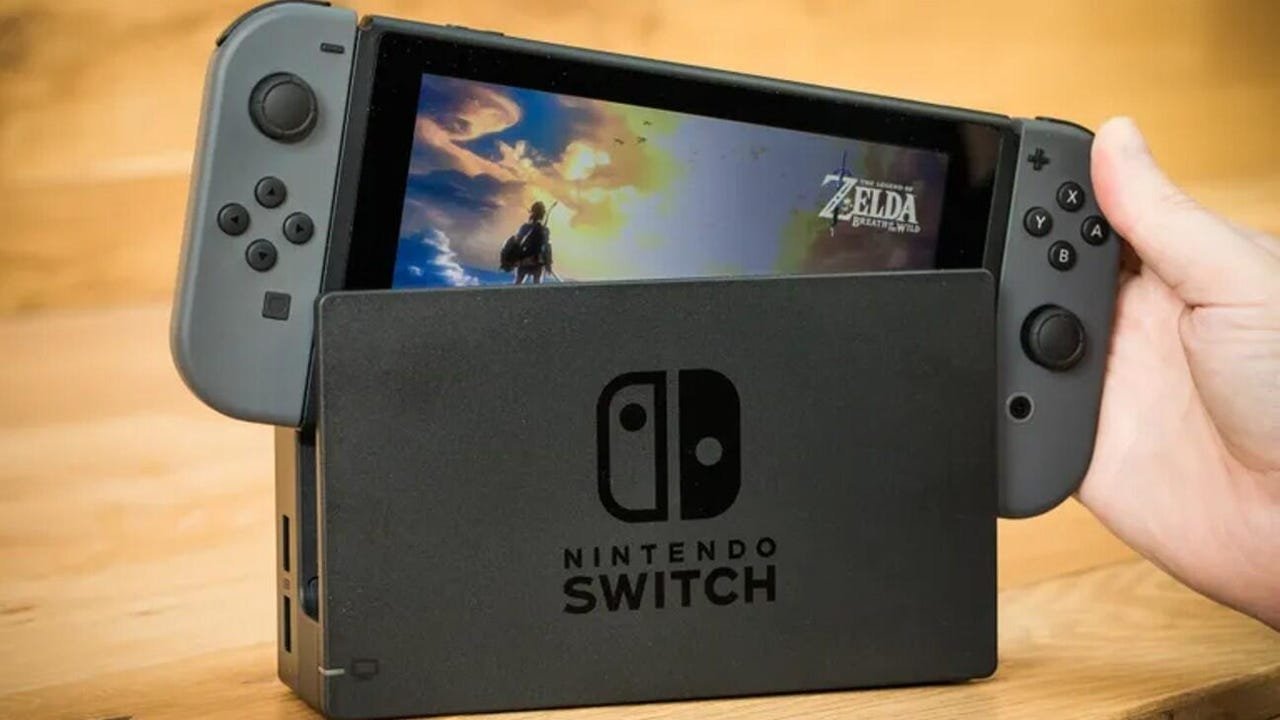
For developers, the original Switch's massive installed base remains a critical market. Its accessibility at this price point could sustain engagement with the platform, especially for indie titles or family-focused games leveraging its unique local multiplayer capabilities via detachable Joy-Cons. The deal also underscores the longevity of well-designed console architectures; the Tegra X1, while not cutting-edge, continues to deliver a smooth experience for a vast library of titles.
Walmart indicates stock is limited, suggesting this promotion may be short-lived. For gamers prioritizing value or developers needing affordable test hardware, the sub-$300 Switch represents a rare opportunity to access Nintendo's ecosystem without the Switch 2's entry cost—proving that smart engineering often outlives the hype cycle. Source: ZDNET
Comments
Please log in or register to join the discussion