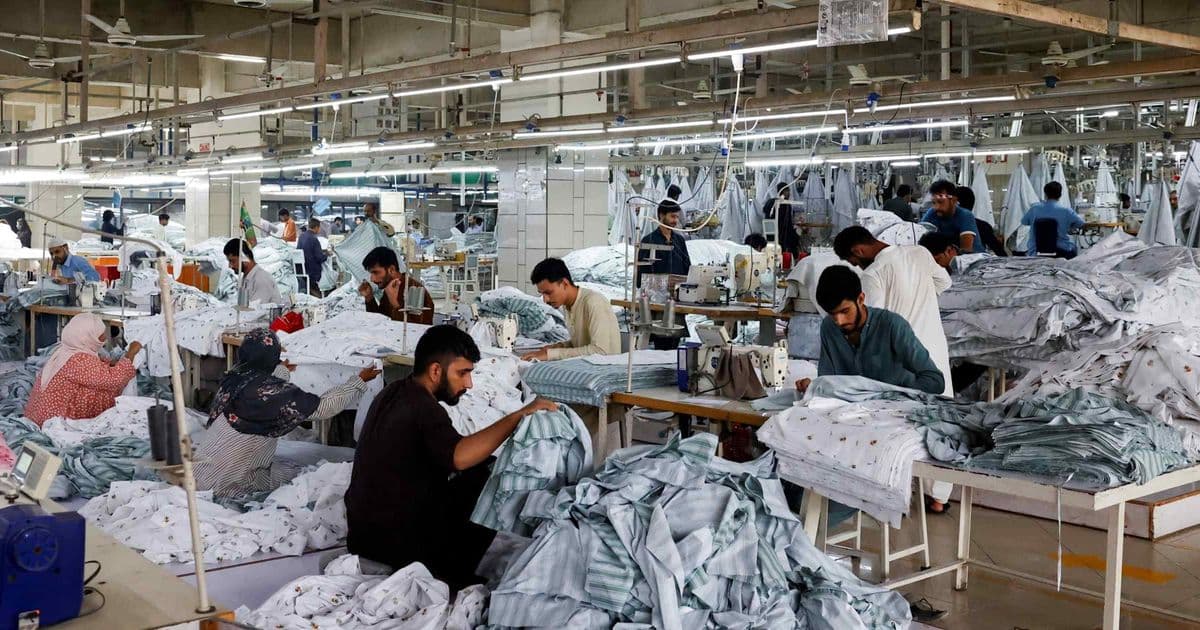
Operating a business in Pakistan costs 34% more than neighboring economies according to recent research, driving workers toward salaried jobs and away from entrepreneurship amid rising operational burdens.
Recent private research reveals that operating businesses in Pakistan incurs costs approximately 34% higher than in comparable regional economies. This significant cost differential creates substantial barriers to entrepreneurship, with evidence suggesting a growing preference for salaried employment over business creation among skilled workers.
The analysis compares Pakistan's operational expenses against regional peers including India, Bangladesh, and Vietnam across multiple metrics. Key cost drivers include:
- Energy expenses: Industrial electricity rates averaging $0.14/kWh versus $0.09-$0.11 in neighboring countries
- Regulatory compliance: Requiring 16 procedures and 227 days to start a business versus regional average of 8 procedures and 142 days
- Logistics: Transportation costs consuming 18% of product value compared to 12% regionally
- Financing: Average business loan interest rates at 16.7% versus 8-12% in comparable markets
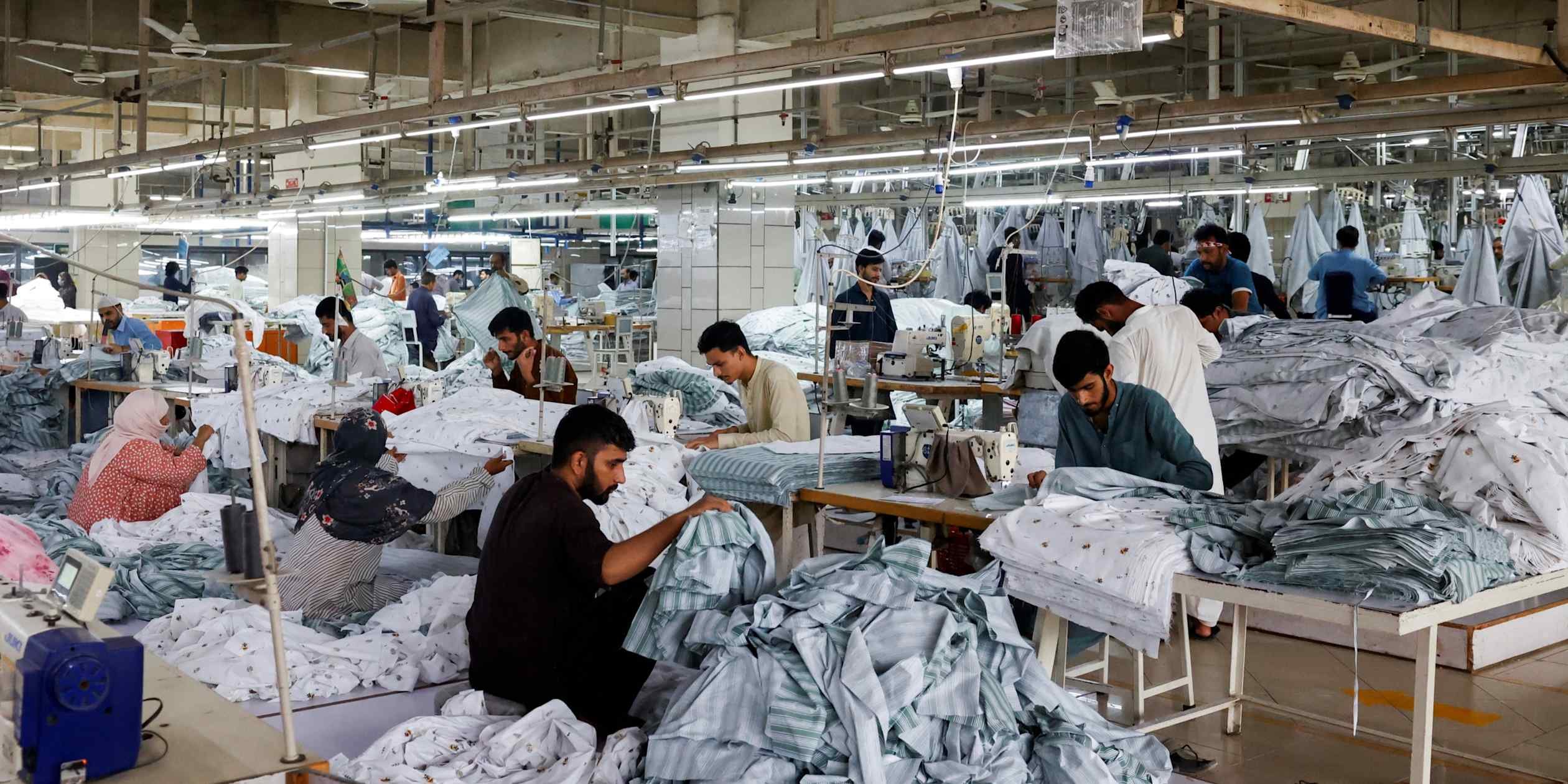
Textile manufacturing, Pakistan's largest export sector accounting for 60% of overseas shipments, exemplifies these pressures. Factory owners report compliance costs have increased 22% year-over-year since 2023, while unpredictable energy supply forces reliance on diesel generators that add 15-18% to production costs.
"The math no longer favors risk-taking," states Karachi-based economist Farooq Siddiqui. "When operational overhead consumes 35-40% of revenue before materials and labor, versus 25-30% in Bangladesh, entrepreneurs become employees. We're witnessing quiet migration of talent toward corporate roles."
Government data shows new business registrations declined 18% year-over-year in 2025, while salaried employment grew 7.2%. This trend risks long-term economic impacts including:
- Reduced innovation capacity as startups decline
- Increased brain drain as skilled workers seek opportunities abroad
- Export competitiveness erosion, particularly in manufacturing
- Tax base contraction from shrinking formal business sector
The research emerges amid Pakistan's negotiations with the IMF for extended financial support, with business climate reforms emerging as a potential condition. Recent tariff adjustments under the new U.S.-India trade agreement have further pressured Pakistan's export positioning, particularly in textiles competing directly with Indian manufacturers.
Without structural reforms addressing energy infrastructure, bureaucratic efficiency, and financing access, analysts warn Pakistan risks falling behind regional competitors in attracting investment and retaining entrepreneurial talent.
Comments
Please log in or register to join the discussion