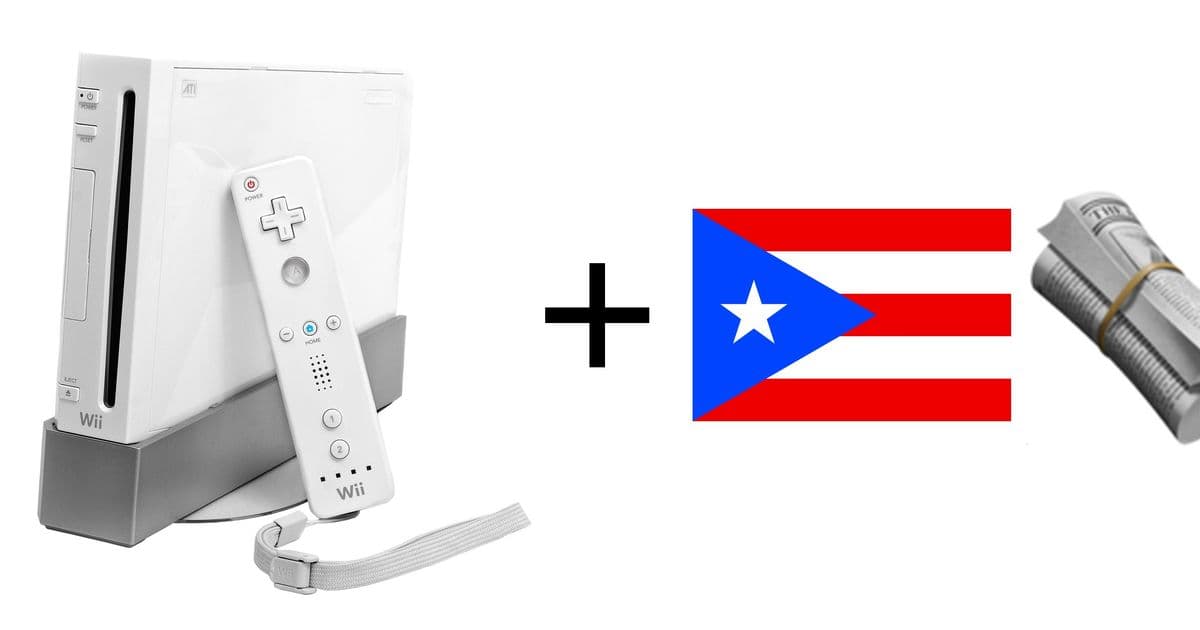
A technical deep-dive into reverse-engineering the Nintendo Wii's discontinued News Channel to display contemporary local news from Puerto Rico, involving binary patching, custom server generation, and cloud automation.
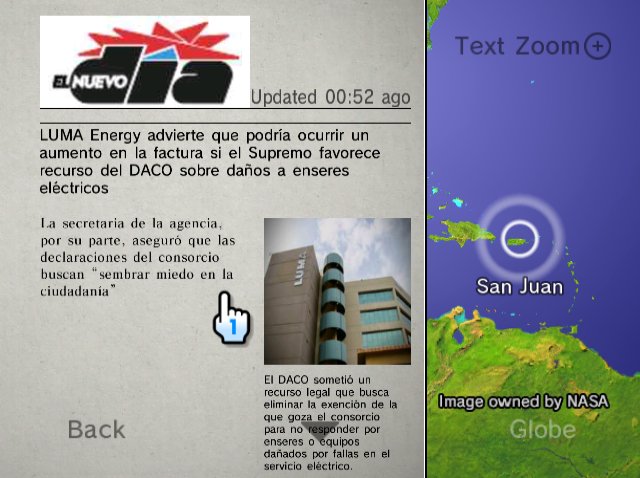
The Nintendo Wii's News Channel, a relic from 2007, was designed to fetch headlines from a global network of servers long since decommissioned. Its original purpose was to position the console as more than a gaming device, a utility for the living room. Today, that utility is dormant, but the underlying mechanism for fetching and displaying news remains intact, waiting for a new source. This project explores the process of resurrecting this feature not for nostalgic global headlines, but for a specific, personal purpose: displaying current local news from Puerto Rico on a 2025 Nintendo Wii console. The journey involves understanding the channel's original behavior, patching its binary to redirect requests, and building a modern pipeline to generate compatible news files. 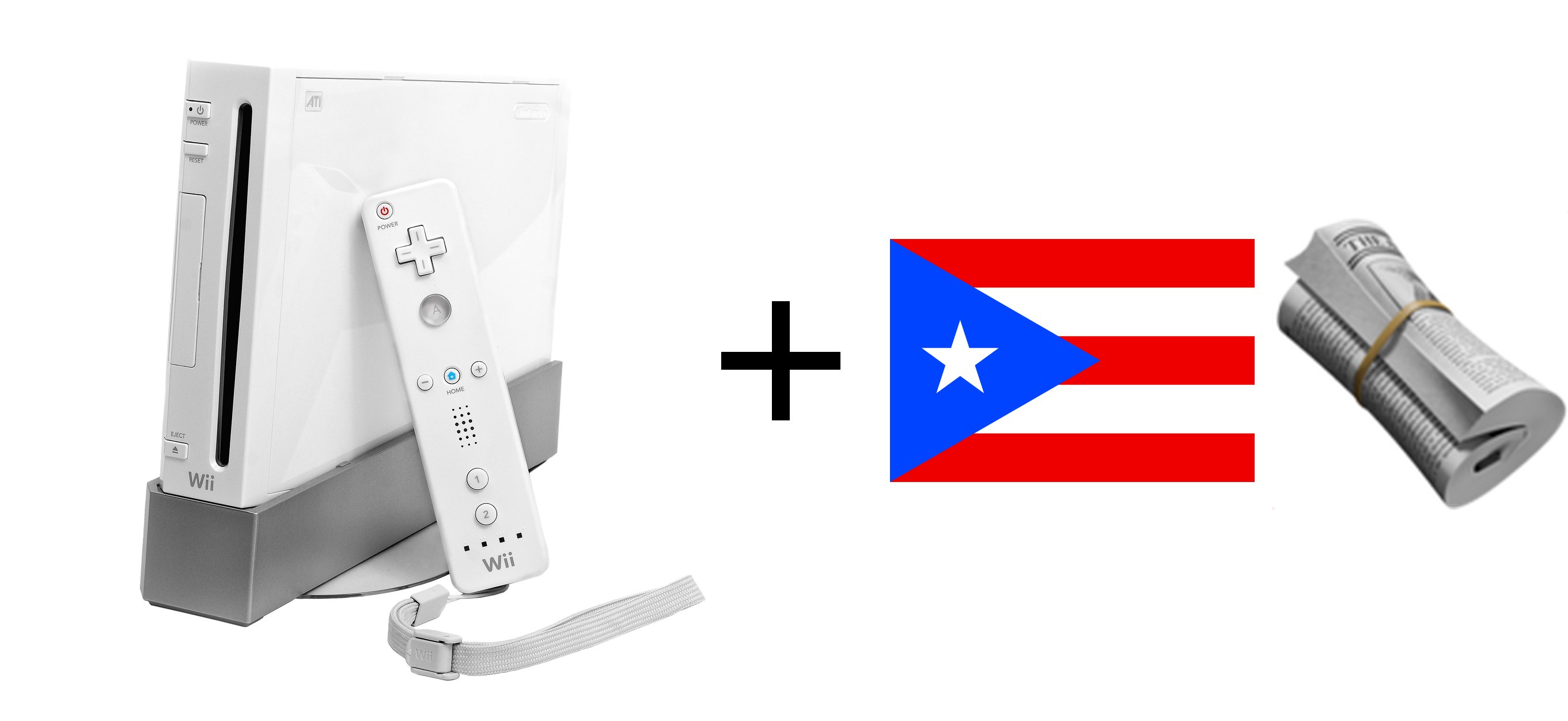
The Wii's News Channel Architecture
The News Channel debuted in North America on January 26, 2007, arriving as a pre-installed channel that promised a novel way to read news from around the world. It was part of a suite of "utility" channels, like the Forecast Channel, that aimed to make the Wii a central hub for information. The service was officially discontinued on June 27, 2013, leaving the channel with a persistent "Downloading..." splash screen and an error message. To understand how to repurpose it, we first need to understand its original operation.
The Wii natively supports HTTP proxy configuration within its internet connection settings. This is a critical feature for any reverse-engineering effort. By setting up a local proxy like mitmproxy and observing the traffic from an unmodified Wii console, we can see exactly what the News Channel attempts to do. Upon launch, it makes a plain HTTP request to http://news.wapp.wii.com/v2/1/049/news.bin.00. The URL structure reveals its logic: the 1 corresponds to the console's configured language (English), and 049 is the Wii's country code for the United States. The channel expects a sequence of binary files, news.bin.00 through news.bin.23, representing 24 hours of news. When this request fails, the channel displays an error. This discovery is the foundation of the entire project: if the Wii is simply fetching a binary file over HTTP, we can serve our own.
Community Preservation and the WiiLink Solution
Nintendo's discontinuation of online services did not spell the end for the Wii's connected features. The homebrew community, dedicated to preserving and extending the life of classic hardware, has stepped in. Teams like WiiLink maintain custom servers and develop software patches that allow users to experience these online features today. After installing the WiiLink patch for the News Channel, traffic analysis shows a significant change: the Wii now requests files from news.wiilink.ca instead of the defunct Nintendo domain, successfully fetching the 24-hour news cycle. This proves the concept is viable and provides a blueprint for our own modifications.
The WiiLink team's work is open-source, available on GitHub. Their patcher modifies the official News Channel WAD (Wii Application Disk) file. A WAD file is a container format for Wii software, containing encrypted content files (.app files) and metadata. The patching process involves applying a VCDIFF delta patch to a specific content file within the WAD. By examining the patch file, we can see it targets 0000000b.app and transforms it into news.dol. The core of this patch is a URL replacement, changing the original news.wapp.wii.com to news.wiilink.ca. This insight allows us to bypass the existing patcher and perform a more targeted modification ourselves.
Step 1: Patching the Binary to Redirect Requests
Using the wadlib Go library, we can programmatically manipulate WAD files. The process begins by extracting the contents of the official News Channel WAD. Each content file is identified by a Content ID, which is converted to an 8-digit hexadecimal string. The file we need, 0000000b.app, corresponds to a specific Content ID. Once extracted, we can apply the delta patch manually using xdelta to see the exact changes, confirming the URL replacement.
However, for maximum control, we can create a custom patcher. The goal is to replace the original URL string within the binary with our own. The original URL, http://news.wapp.wii.com/v2/%d/%03d/news.bin, is 44 bytes long. Our custom URL, http://wii.rauln.com/news/%d/%03d/news.bin, must be padded to the same length to avoid corrupting the binary structure. A Go utility can perform this replacement by finding the offset of the original string and overwriting it with the new, padded string. The resulting patched WAD file can then be installed on a Wii console using a tool like YAWM ModMii Edition. 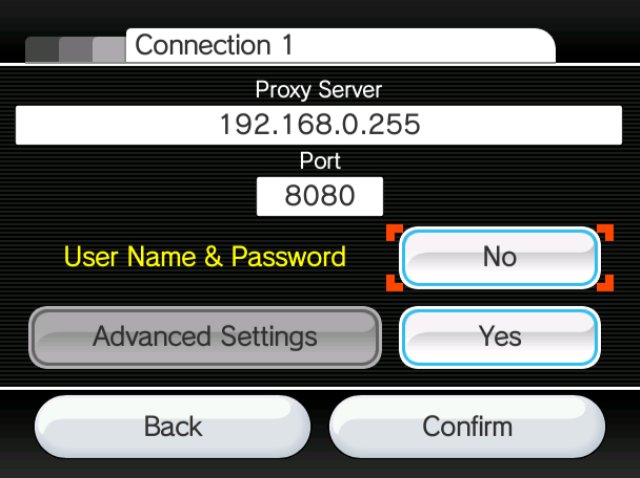
After installation, launching the patched News Channel and observing the traffic with mitmproxy confirms success. The Wii now sends HTTP requests to our custom domain, expecting the news binary files. 
Step 2: Generating Compatible News Binaries
With the client-side patching complete, the next challenge is server-side: generating the binary files the News Channel expects. The WiiLink team's NewsChannel project, written in Go, provides the exact blueprint. The generator performs several critical steps:
- Configuration: It loads country-specific settings, which determine the language and region codes used in the file paths.
- Data Acquisition: It fetches articles and metadata from configured news sources. For our project, we forked this repository into WiiNewsPR, removed the existing international sources, and added a new one: Puerto Rico's primary newspaper, El Nuevo Día (ENDI), via its RSS feed.
- Processing and Compression: The data is processed in a specific order, serialized into a byte buffer, and then compressed using LZ10, a Nintendo-specific variant of the LZ77 algorithm. This compression is a significant CPU bottleneck, which becomes relevant later.
- Signing: The compressed data is signed with an RSA key. For our custom setup, we generate a new key pair using OpenSSL (
openssl genrsa -traditional -out Private.pem 2048). The public key is embedded in the Wii's software, but for our custom server, we only need to sign the files with our private key. - Packaging: The final binary is written to disk with a filename following the pattern
news.bin.NN, whereNNis the hour of the day.
A notable limitation is the lack of a Puerto Rico country code in the Wii's system. We therefore use the US code (049) and hardcode the geographic coordinates for San Juan into the binary file to avoid location-processing logic.
Automation and Cloud Deployment
Generating a single news file is straightforward, but the News Channel requires 24 consecutive files to function. Manually copying the current hour's file into all 24 slots is a temporary fix. For a sustainable, hands-off solution, we turn to cloud automation.
We package the WiiNewsPR Go executable into an AWS Lambda function. The function is triggered hourly via Amazon EventBridge. The Lambda handler executes the generator with flags to control output paths, as Lambda's /tmp directory is the only writable filesystem. It then uploads the generated news.bin.NN file to an Amazon S3 bucket, which serves as our custom news server. The Serverless Framework simplifies the infrastructure-as-code setup, defining the Lambda, its trigger, and the necessary environment variables, including the America/Puerto_Rico timezone to ensure correct hourly file generation.
A key optimization is increasing the Lambda's memory allocation. The LZ10 compression algorithm is computationally intensive, and the default Lambda CPU allocation can cause the function to time out. Scaling the memory (and thus the CPU) ensures the generation process completes reliably within the execution window.
Conclusion and Reflection
This project demonstrates how legacy hardware can be repurposed with modern software and cloud services. By understanding the Wii's original network behavior, leveraging the homebrew community's foundational work, and building a custom data pipeline, we transformed a discontinued feature into a personalized news portal. The result is a functional, automated system that fetches local news from a contemporary source and presents it on a console from 2006. It's a testament to the enduring flexibility of open systems and the creativity of the preservation community. The Wii, once a symbol of family gaming, can now also be a window to the present day.
Credits: This experiment was made possible by the incredible work of the Wii homebrew community, including the RiiConnect24 Team, the WiiLink Team, and the contributors to wiibrew.org.
Comments
Please log in or register to join the discussion