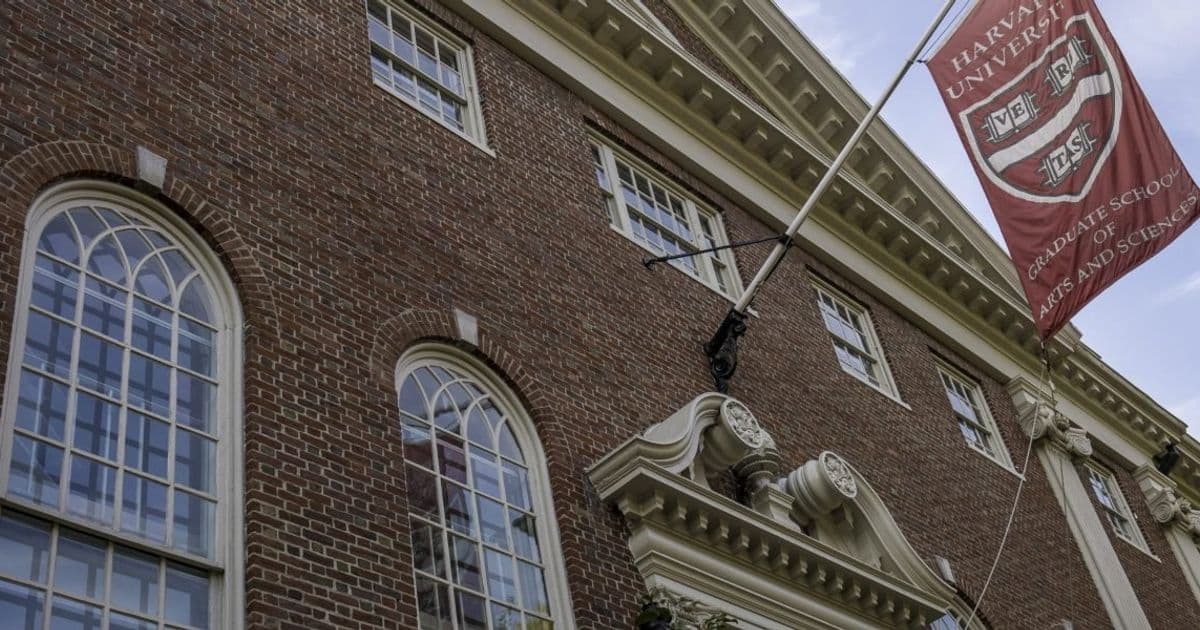
The U.S. Department of Defense has implemented new restrictions preventing military officers from attending certain prestigious universities, including those with strong AI and space research programs, raising questions about military-academic collaboration and technological competitiveness.
The U.S. Department of Defense has implemented new restrictions preventing military officers from attending certain prestigious universities, including those with strong AI and space research programs, raising questions about military-academic collaboration and technological competitiveness.
According to recent reports, the Pentagon has blocked officers from attending Ivy League institutions and other top-tier universities, even when these schools serve as partners on critical defense research initiatives. This policy shift affects institutions that have traditionally been at the forefront of artificial intelligence development, space technology, and other strategic research areas.
The Scope of the Restrictions
The restrictions appear to target a broad range of elite academic institutions. While specific universities have not been publicly named in official communications, sources indicate that the policy encompasses schools with significant defense research partnerships, particularly in emerging technologies like AI, quantum computing, and advanced space systems.
This move represents a significant departure from previous practices where military officers frequently attended top universities for advanced degrees, often while maintaining research collaborations with their home institutions.
Impact on Defense Research
One of the most concerning aspects of this policy is its potential impact on ongoing defense research projects. Many of the affected universities serve as key partners for Pentagon research initiatives, particularly in:
- Artificial intelligence and machine learning applications for defense
- Space technology and satellite systems
- Cybersecurity and information warfare
- Advanced materials and propulsion systems
These collaborations have historically provided the military with access to cutting-edge research while offering academic institutions substantial funding and real-world application opportunities for their work.
Strategic Implications
The timing of these restrictions raises questions about the Pentagon's strategic priorities. As global competition in AI and space technology intensifies, particularly with China and Russia, limiting access to top research institutions could potentially hamper the U.S. military's technological edge.
Some defense analysts suggest the policy may be related to concerns about intellectual property protection or academic freedom issues, while others view it as a broader shift in how the military approaches academic partnerships.
Reactions from the Academic Community
University administrators and faculty members have expressed concern about the policy's implications. Many argue that military-academic collaboration has historically benefited both parties and that restricting these relationships could have long-term negative consequences for national security.
Some institutions are reportedly exploring alternative partnership models that might comply with the new restrictions while maintaining research continuity.
Historical Context
Military officers attending elite universities is a tradition dating back to World War II, when the government actively encouraged advanced education for military personnel. The practice expanded significantly during the Cold War as technological superiority became increasingly important for national security.
This new policy marks a notable shift in that historical relationship, potentially signaling a more insular approach to military education and research partnerships.
Looking Forward
As the Pentagon implements these restrictions, questions remain about:
- How the policy will affect ongoing research projects
- Whether exceptions will be made for certain critical technologies
- The long-term impact on military innovation and competitiveness
- Potential alternatives for maintaining defense research capabilities
The full implications of this policy shift may not be apparent for years, but it represents a significant change in how the U.S. military approaches academic partnerships and technological development.
For now, both military officials and academic institutions are working to understand the scope and rationale behind these restrictions, while exploring how to maintain productive relationships within the new framework.
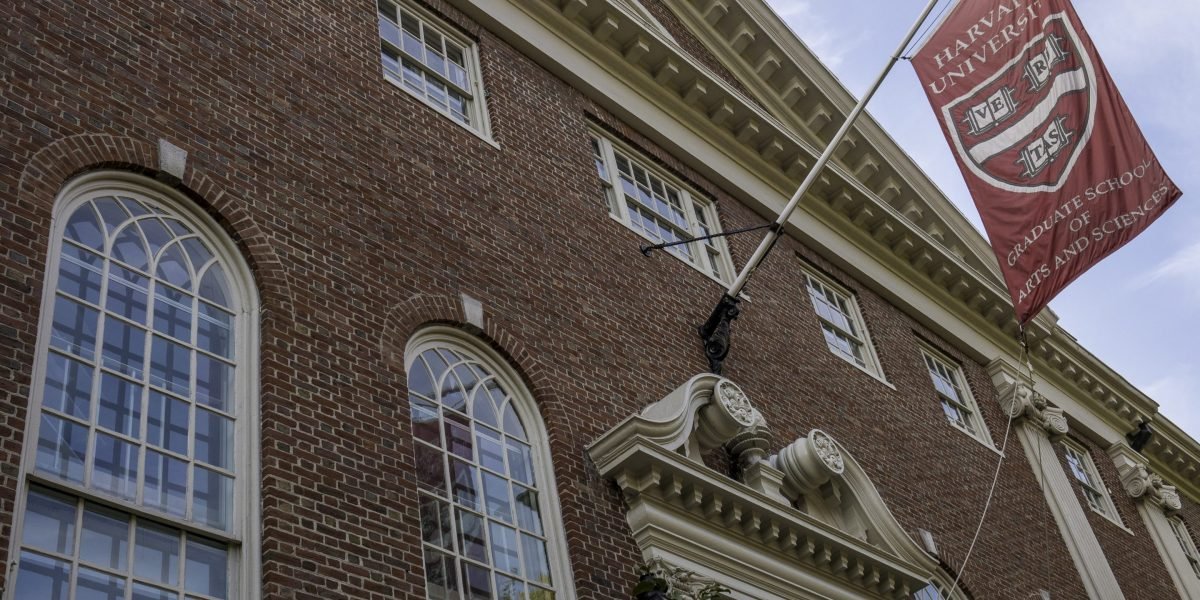
Featured image: Getty Images
Comments
Please log in or register to join the discussion