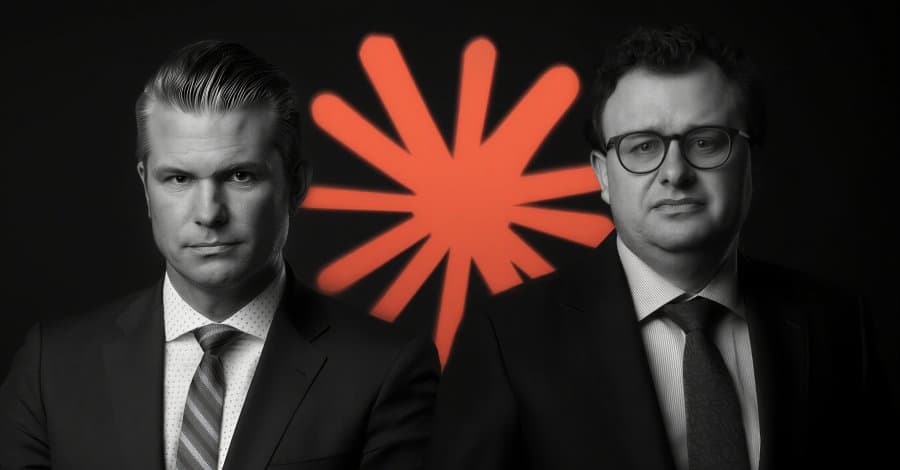
Anthropic faces Pentagon sanctions after refusing to allow its AI model Claude for mass domestic surveillance and autonomous weapons, sparking a broader debate about AI ethics in military applications.
The Pentagon has designated AI company Anthropic as a supply chain risk to national security following a dispute over military use of its AI model Claude, marking a significant escalation in tensions between the U.S. government and AI companies over ethical boundaries in defense applications.
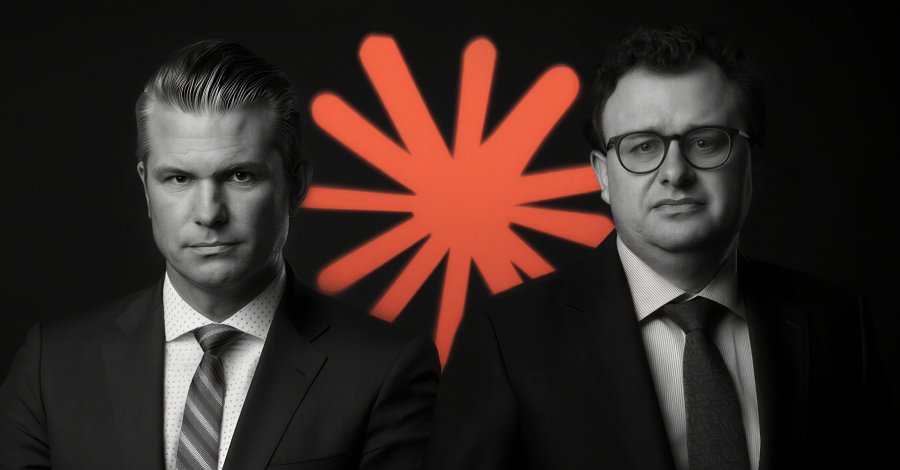
The Core Dispute
The conflict centers on Anthropic's refusal to allow its AI technology to be used for two specific applications: mass domestic surveillance of Americans and fully autonomous weapons systems. The company maintains that these restrictions are non-negotiable, even in the face of government pressure.
"No amount of intimidation or punishment from the Department of War will change our position on mass domestic surveillance or fully autonomous weapons," Anthropic stated in its response to the Pentagon's designation.
Government Response and Escalation
Secretary of Defense Pete Hegseth directed the Pentagon to designate Anthropic as a supply chain risk, a move that carries significant implications for the company's government contracts and partnerships. President Donald Trump subsequently ordered all federal agencies to phase out Anthropic technology within six months.
Hegseth's mandate went further, requiring all contractors, suppliers, and partners doing business with the U.S. military to cease any commercial activity with Anthropic "effective immediately."
Anthropic's Position
Anthropic argues that its contracts should not facilitate mass domestic surveillance or the development of autonomous weapons, citing both ethical concerns and technical limitations. The company contends that AI-driven mass surveillance presents "serious, novel risks to our fundamental liberties" and is incompatible with democratic values.
The AI startup supports the use of AI for lawful foreign intelligence and counterintelligence missions but draws a firm line at domestic surveillance applications.
Government's Counterarguments
Pentagon spokesperson Sean Parnell stated that the department has no interest in conducting mass domestic surveillance or deploying autonomous weapons without human involvement, describing the narrative as "fake."
"Here's what we're asking: Allow the Pentagon to use Anthropic's model for all lawful purposes," Parnell said. "This is a simple, common-sense request that will prevent Anthropic from jeopardizing critical military operations and potentially putting our warfighters at risk."
Industry Polarization
The dispute has created significant divisions within the tech industry. Hundreds of employees at Google and OpenAI have signed an open letter urging their companies to stand with Anthropic in its clash with the Pentagon over military applications for AI tools.
However, not all industry leaders support Anthropic's position. xAI CEO Elon Musk sided with the Trump administration, stating that "Anthropic hates Western Civilization."
Legal and Precedent Concerns
Anthropic has described the Pentagon's designation as "legally unsound" and warned that it would set a dangerous precedent for any American company that negotiates with the government. The company notes that a supply chain risk designation under 10 USC 3252 can only extend to the use of Claude as part of Department of War contracts and cannot affect the use of Claude to serve other customers.
Broader Context: AI Ethics in Defense
The standoff highlights the growing tension between AI companies' ethical principles and government demands for unrestricted access to advanced AI capabilities. This conflict comes as OpenAI CEO Sam Altman announced that OpenAI reached an agreement with the U.S. Department of Defense to deploy its models in their classified network.
Altman emphasized that "AI safety and wide distribution of benefits are the core of our mission," and that OpenAI's agreement with the DoD reflects principles against domestic mass surveillance and human responsibility for the use of force.
Implications for the AI Industry
The dispute raises fundamental questions about the relationship between AI companies and government agencies, particularly regarding the extent to which companies can maintain ethical boundaries in their technology deployments.
The outcome could influence how other AI companies approach government contracts and the development of ethical guidelines for military applications of their technology.
Technical and Operational Considerations
Anthropic's position that its technology isn't capable enough to support mass surveillance or autonomous weapons safely and reliably adds a technical dimension to the ethical debate. This suggests that the company views the restrictions not just as moral imperatives but also as practical safeguards.
The Pentagon's push for "AI-first" warfighting capabilities and its desire to remove usage policy constraints that may limit lawful military applications reflects a broader strategic shift toward integrating AI more deeply into defense operations.
Future Outlook
The resolution of this dispute could have lasting implications for the AI industry's relationship with government agencies and the development of ethical frameworks for AI in military contexts. As AI capabilities continue to advance, similar conflicts between ethical principles and operational demands are likely to emerge.
The standoff also highlights the need for clearer policies and guidelines governing the use of AI in government applications, particularly in areas that touch on civil liberties and human rights.
The coming months will likely see continued debate about the appropriate balance between national security interests and ethical constraints on AI development and deployment.
Comments
Please log in or register to join the discussion