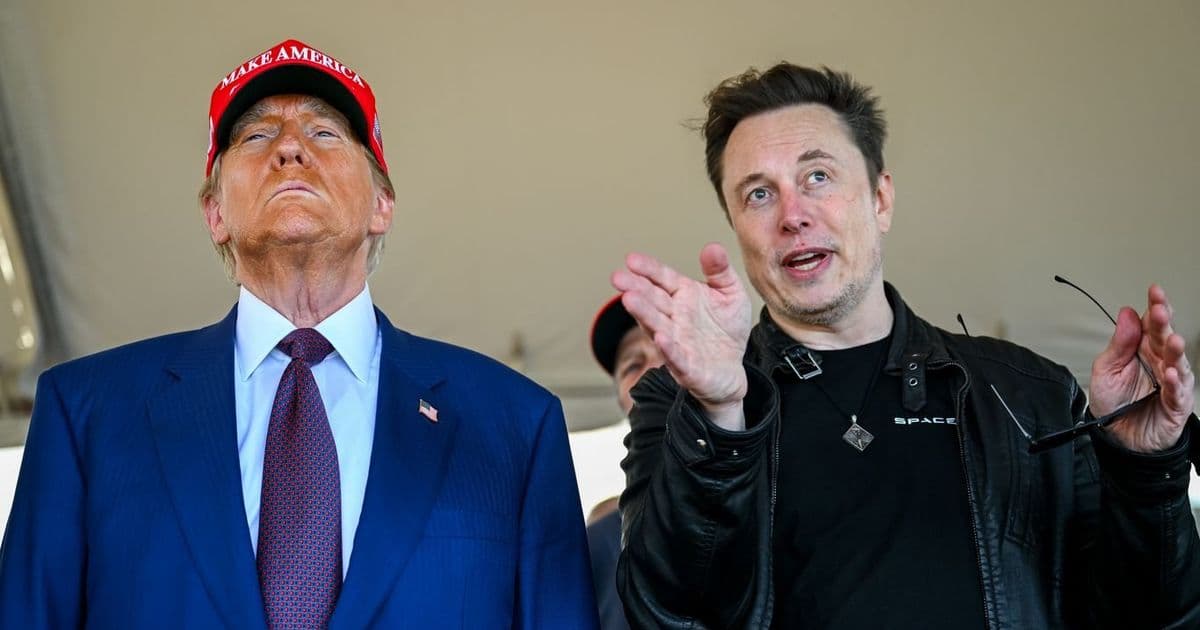
The Department of Defense is threatening Anthropic in a dispute over AI safeguards, while xAI has agreed to let the military use Grok in classified systems with an "all lawful use" standard that Anthropic has refused.
The Pentagon is escalating tensions with Anthropic over AI safety standards, as Defense Secretary Pete Hegseth has summoned CEO Dario Amodei for a tense meeting Tuesday morning. The dispute centers on Anthropic's refusal to adopt an "all lawful use" standard for its Claude AI system in military applications, a position that has drawn the Pentagon's ire and may force it to seek alternative AI providers.
Meanwhile, xAI has secured a significant advantage in the defense contracting space by agreeing to let the military use its Grok AI system in classified environments. A Department of Defense official confirmed that xAI has accepted the "all lawful use" standard, which Anthropic has explicitly declined, citing safety concerns about potential misuse.
The contrasting approaches highlight a growing divide in the AI industry over how to balance innovation with safety, particularly in sensitive military applications. Anthropic has built its brand around AI safety and responsible development, while xAI under Elon Musk has taken a more permissive stance on deployment.
This development comes as the broader AI industry faces increasing scrutiny over safety standards and military applications. The Pentagon's willingness to publicly pressure Anthropic suggests the government is prepared to leverage its massive purchasing power to shape industry practices around AI safety.
The Safety Standard Debate
The "all lawful use" standard represents a significant philosophical difference between the companies. Anthropic's position reflects concerns about AI systems being used for surveillance, autonomous weapons, or other applications that could raise ethical issues even if technically legal. xAI's agreement suggests a more flexible approach that prioritizes military utility over potential safety concerns.
This disagreement has practical implications for defense contractors and military agencies that have been evaluating AI systems for various applications, from intelligence analysis to logistics optimization. The Pentagon's public stance may influence other defense contractors to favor xAI's more permissive approach.
Industry Impact
The dispute occurs against the backdrop of rapid AI adoption across both civilian and military sectors. Other major AI companies are likely watching closely to see how this plays out, as it could set precedents for how safety standards are negotiated with government clients.
Anthropic's position may appeal to other customers concerned about responsible AI use, while xAI's approach could attract those prioritizing capability and flexibility. The outcome could influence how other AI companies position themselves in the defense market and beyond.
Broader Context
This development is part of a larger trend of AI companies navigating the complex intersection of innovation, safety, and government contracts. As AI capabilities advance, companies face increasing pressure to define their ethical boundaries while competing for lucrative government contracts.
The Pentagon's public pressure on Anthropic also reflects the strategic importance of AI in modern defense planning. The ability to deploy advanced AI systems in classified environments is becoming a key differentiator for defense contractors and technology companies seeking government business.
Market Implications
The dispute may have ripple effects across the tech industry, particularly for companies developing AI systems for government use. It could influence how other AI companies structure their terms of service and safety protocols when dealing with sensitive applications.
For Anthropic, the pressure from the Pentagon represents a significant challenge to its business model, which has been built partly on its reputation for responsible AI development. The company may need to find ways to maintain its safety standards while addressing legitimate government needs.
Looking Forward
The outcome of this dispute could have lasting implications for how AI safety standards are developed and enforced, particularly in government contexts. It may also influence how other countries approach AI safety regulations and military applications of AI technology.
As the AI industry continues to evolve, companies will need to navigate increasingly complex ethical and practical considerations, particularly when dealing with government clients and sensitive applications. The Anthropic-xAI contrast provides a clear example of how different approaches to these challenges can lead to very different outcomes in the marketplace.
Comments
Please log in or register to join the discussion