Newly released Pentagon budget documents reveal the use of GBU-39/B Small Diameter Bombs and APKWS II rockets in Operation Midnight Hammer, the U.S.-led strike on Iran's nuclear facilities. The $123 million request to replace bunker-busting MOPs and smaller precision weapons highlights the operation's massive resource footprint and raises concerns about depleted U.S. missile stockpiles.
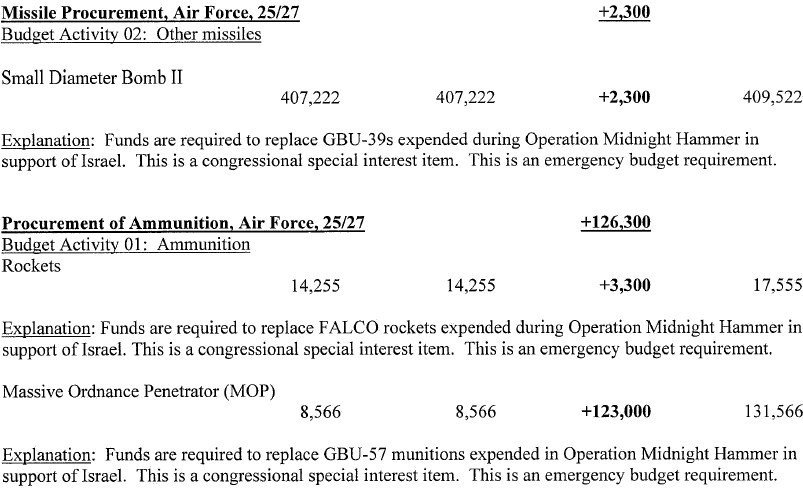
In a striking disclosure, Pentagon budget reprogramming documents dated August 1 and recently made public confirm that U.S. forces employed GBU-39/B Small Diameter Bombs (SDBs) and laser-guided Advanced Precision Kill Weapon System II (APKWS II) rockets during Operation Midnight Hammer—the covert June mission that targeted Iran’s nuclear facilities at Fordow and Natanz. While the use of B-2 stealth bombers dropping 14 GBU-57/B Massive Ordnance Penetrator (MOP) bunker-busters was previously known, this revelation exposes a broader arsenal and deeper complexities in modern aerial warfare. The documents, obtained by TWZ, seek $128.6 million to replace expended munitions, underscoring the staggering costs and technological orchestration behind high-stakes military operations.
The Shadow War Unveiled
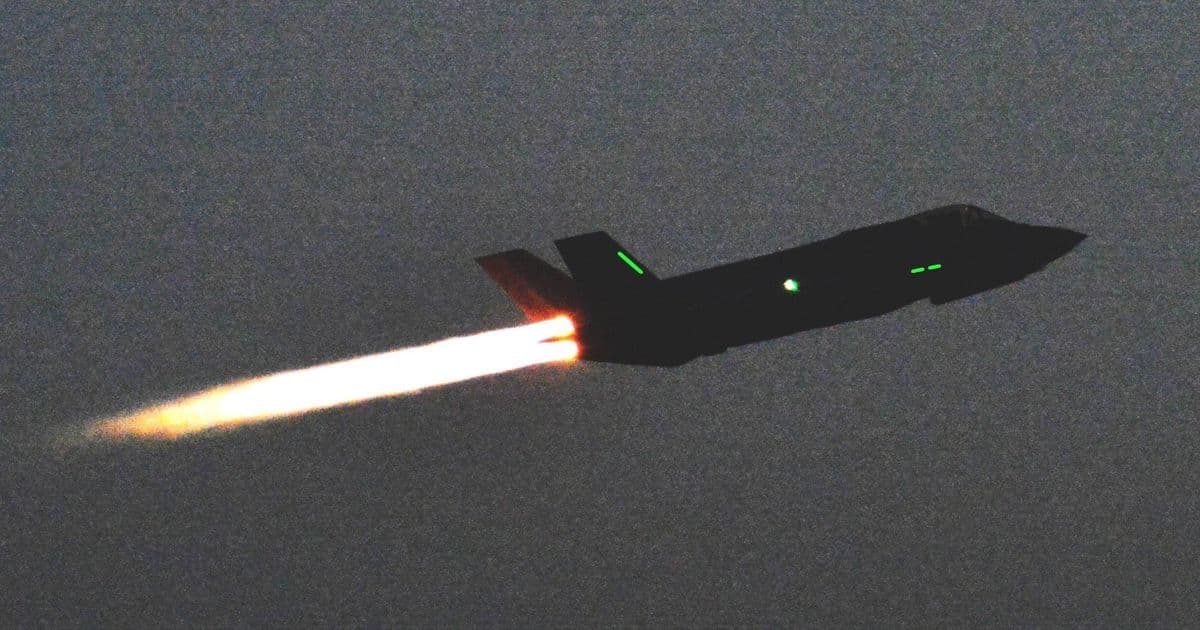
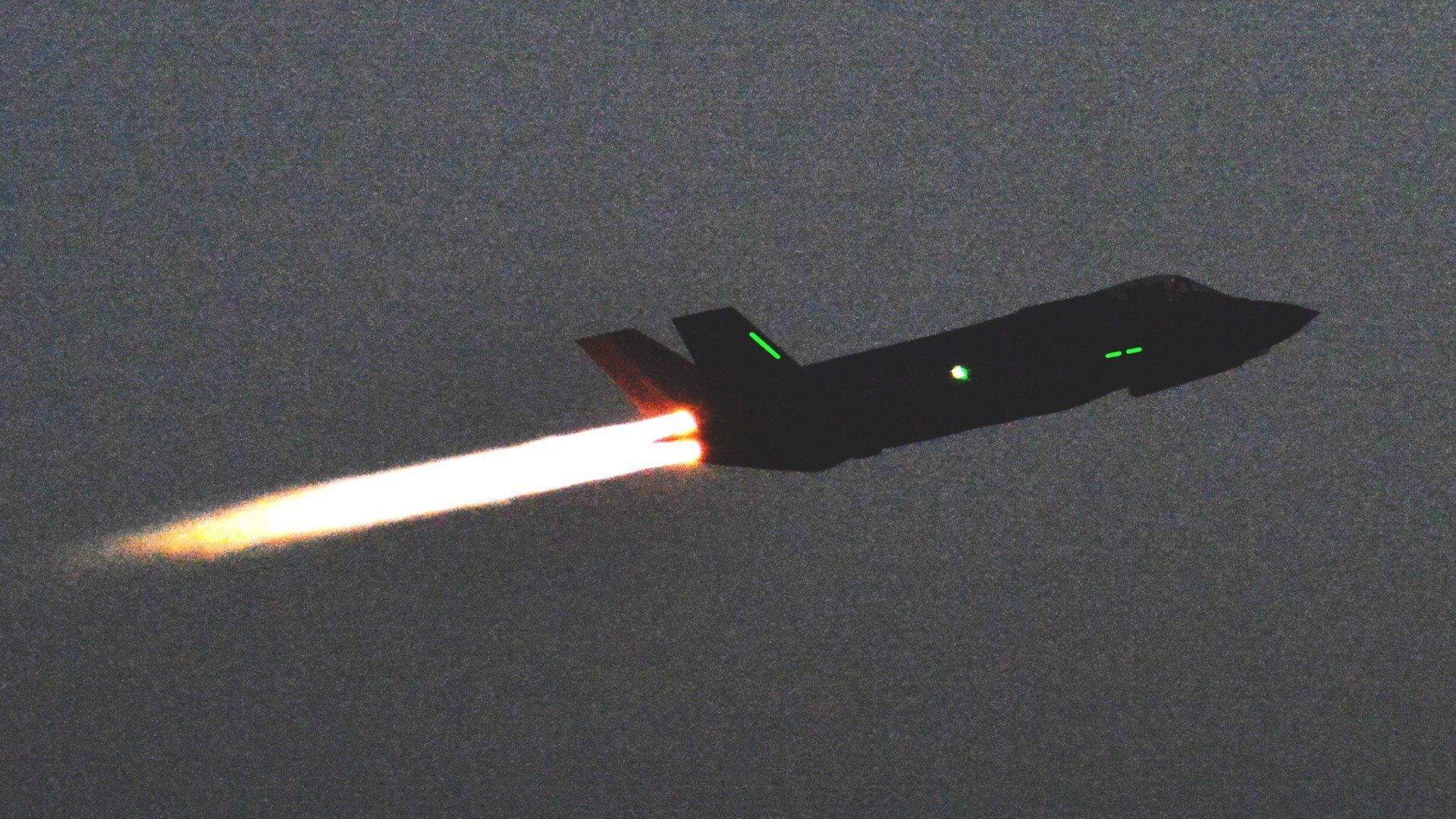
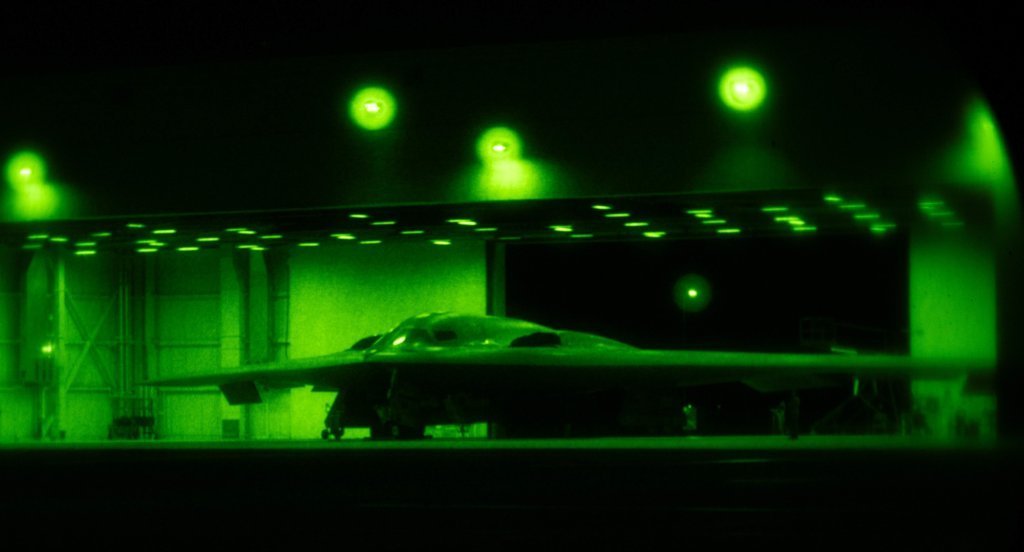
Operation Midnight Hammer, executed with Israeli coordination, involved 125 aircraft, including F-22 Raptors, F-35 Lightning IIs, and B-2 Spirits, supported by aerial refueling tankers and a submarine-launched Tomahawk missile barrage. Air Force Gen. Dan Caine, Chairman of the Joint Chiefs of Staff, described the mission’s sophistication:
"As the strike package entered Iranian airspace, the U.S. employed several deception tactics, including decoys as fourth and fifth-generation aircraft pushed out in front... sweeping for enemy fighters and surface-to-air missiles. Protection packages employed high-speed suppression weapons to ensure safe passage." The newly detailed munitions—SDBs and APKWS II rockets—suggest a multi-layered approach. SDBs, costing $40,000–$80,000 per unit, are 250-pound glide bombs with GPS/INS guidance, capable of penetrating semi-hardened structures. Their deployment aligns with SEAD/DEAD (Suppression/Destruction of Enemy Air Defense) missions, likely executed by stealth fighters like the F-35A or F-22 to neutralize Iranian air defenses ahead of the B-2s’ MOP strikes.
APKWS II: The Puzzling Player
The inclusion of APKWS II rockets, however, raises technical questions. The documents specify $3.3 million for replacing FALCO (Fixed Wing, Air Launched, Counter-Unmanned Aircraft Systems Ordnance) variants—a configuration designed for aerial drone and cruise missile interception. With a laser-guidance section and proximity-fuzed warhead, the AGR-20F variant turns 70mm rockets into low-cost air-to-air interceptors. Yet, their use in a stealth-centric strike package is incongruous, as launch platforms like F-15Es or F-16s lack low-observable features. This suggests the rockets were likely expended in broader regional defense during Iran’s retaliatory drone and missile barrages, not directly in the nuclear facility strikes.
Cost and Capability Implications
The reprogramming request totals $128.6 million, broken down as:
- $123 million for 14 MOPs: Averaging $8.8 million per unit, reflecting the bomb’s rarity and penetrating power.
- $2.3 million for SDBs: Covering ~30–60 bombs based on unit costs, indicating extensive pre-strike suppression.
- $3.3 million for APKWS II: Funding ~132 rockets, emphasizing their role in counter-drone operations. An additional $498 million for THAAD interceptors—used to defend Israel during the conflict—highlights critical stockpile vulnerabilities. With over 150 THAAD missiles reportedly fired, the U.S. faces replenishment challenges amid global tensions.
Why This Matters for Tech and Strategy
For developers and engineers, Midnight Hammer exemplifies the convergence of stealth, precision guidance, and networked systems. SDBs leverage GPS/INS algorithms for autonomous strikes, while APKWS II’s software adaptations enable real-time aerial targeting—a leap from its ground-attack origins. Yet, the operation’s scale reveals fragility: Each MOP requires years of R&D, and THAAD expenditures strain defense logistics. As autonomous drones and electronic warfare evolve, this mission underscores the need for resilient, scalable tech in high-threat environments. The hidden intricacies of Midnight Hammer, from decoy deployments to satellite coordination, remind us that future conflicts will be won not just by firepower, but by the silent symphony of code, sensors, and stealth.
Comments
Please log in or register to join the discussion